


Howl Jardins D’ecrivains
Fragrance Story
Howl by Jardins d’Ecrivains is a Woody Spicy fragrance for women and men. Howl was launched in 2018. The nose behind this fragrance is Anais Biguine. Top notes are Lavender and Thyme; middle notes are Geranium, Cinnamon and Tonka Bean; base notes are Musk, Patchouli and Amber.
Composition Profile
About the Perfumer

Anais Biguine
Anais Biguine is a French perfumer known for her work with independent niche houses such as Chapel Factory, Gri Gri Parfums, and Jardins d’Ecrivains. Her style often blends raw, smoky, or incense-like accords with unexpected gourmand or floral touches, as seen in creations like Chapel Factory’s Baptisma and Gri Gri Parfums’ Moko Maori. She is recognized for crafting evocative, narrative-driven scents that balance darkness with subtle sweetness.
Fragrance Notes
Top Notes
First impression · 15-30 min
 Lavender
 Thyme
Thyme
Heart Notes
Core character · 2-4 hours
 Geranium
 Cinnamon
 Tonka Bean
Base Notes
Lasting impression · 4+ hours
 Musk
Musk
 Patchouli
 Amber
Amber
Howl Jardins D’ecrivains by Jardins d’Ecrivains offers a distinctive olfactory experience that stands out from other fragrances in its category.
Crafted with the finest ingredients and a blend of traditional and modern perfumery techniques, this fragrance represents the pinnacle of the perfumer's art.
Howl Jardins D’ecrivains embodies the distinctive style of Jardins d’Ecrivains while adding a unique chapter to their fragrance portfolio.
Character Profile
The Howl Jardins D Archetype: Portrait of Howl Jardins D’ecrivains
Essence
The one who wears Howl Jardins D’écrivains is, above all, a Sage-a seeker of truth, a weaver of words, a mind that dwells in the liminal spaces between thought and sensation. This fragrance, with its ink-and-botanical melancholy, is not for those who merely wish to smell pleasant; it is for those who wish to signify something. The Sage archetype governs this person, for they are driven by the pursuit of knowledge, the intoxication of ideas, and the quiet rebellion of introspection.
Yet, like all archetypes, the Sage has its shadow-the risk of becoming lost in abstraction, of mistaking contemplation for living, of preferring the scent of old books to the warmth of human touch.
Style & Aesthetic
Their tastes are deliberate, almost ritualistic. They are drawn to the patina of aged paper, the weight of a fountain pen, the faint bitterness of black coffee left to cool. Their wardrobe leans toward muted elegance-linen, wool, perhaps a well-worn leather satchel. They do not follow trends but instead curate a personal mythology through objects, each chosen as if it were a line in an unwritten memoir.
Music is likely instrumental-classical piano, ambient soundscapes, or the occasional jazz record spun late at night. Their bookshelf is a mix of philosophy, poetry, and obscure novels that most have never heard of. They do not read for entertainment but for resonance-to find the words they wish they had written themselves.
They rise early, not out of discipline but because dawn is when the mind is most porous. Their days are structured around rituals-morning coffee in a favorite chair, long walks with no destination, evenings spent under lamplight with a journal. They are not ascetics, but they disdain excess. Luxury, to them, is time and space to think.
Professionally, they gravitate toward vocations that allow for autonomy and depth-writing, academia, perhaps the quiet precision of a rare book restorer or archivist. They are not motivated by wealth or status but by the freedom to dwell in their own mind.
Philosophy & Values
They believe in the sacredness of solitude. Not out of misanthropy, but because they understand that depth requires silence. Their philosophy is a blend of existentialism and romanticism-they see life as both meaningless and unbearably beautiful, a paradox they embrace rather than resolve.
Truth is their highest value, but not in the rigid, empirical sense. They seek the kind of truth that lingers in metaphors, in the scent of rain on pavement, in the way a line of poetry can unravel an entire life. They are skeptical of dogma but reverent toward mystery.
Relationships
They are not easy to know. Their love is deep but often unspoken, expressed in gestures rather than declarations-a carefully chosen book left on a bedside table, a single handwritten note tucked into a coat pocket. They crave intimacy but fear its demands, sometimes retreating into their own mind when emotions grow too loud.
Their friendships are few but enduring, built on shared intellectual passions rather than convenience. They are drawn to other seekers-artists, thinkers, wanderers-but may struggle with those who prefer the superficial. Romantic partners must understand that their silence is not indifference, but a form of devotion.
Shadow
For all their wisdom, they risk becoming prisoners of their own intellect. Their love of solitude can harden into isolation; their pursuit of truth can become a refusal to engage with the messy, imperfect world. They may grow impatient with those who do not share their depth, dismissing simpler joys as trivial.
Worse still, they may mistake thinking about life for living it. They write letters they never send, compose speeches they never deliver, love in theory but hesitate in practice. The fragrance they wear-ink-stained, poetic, haunting-is both their armor and their cage.
Conclusion
To wear Howl Jardins D’écrivains is to declare oneself a citizen of the inner world. The Sage who chooses this scent is neither saint nor recluse, but a living paradox-a soul who finds eternity in a single moment, who worships silence but aches to be understood.
They are flawed, as all seekers are. But in their flaws, there is a kind of beauty-the beauty of a mind that refuses to settle, of a heart that loves too deeply to speak its love aloud. And perhaps that is the truest fragrance of all.
Similar Fragrances
Fragrances with a comparable profile - shared accords, notes, and character.

Xyrena
Scented By Willam Xyrena
Shared accords: amber, aromatic, cinnamon
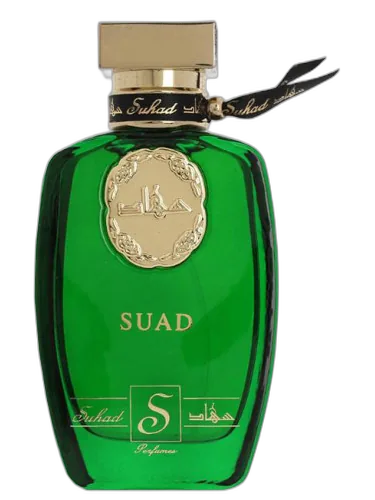
Suhad Perfumes
Suad Suhad Perfumes
Shared accords: amber, aromatic, fresh spicy
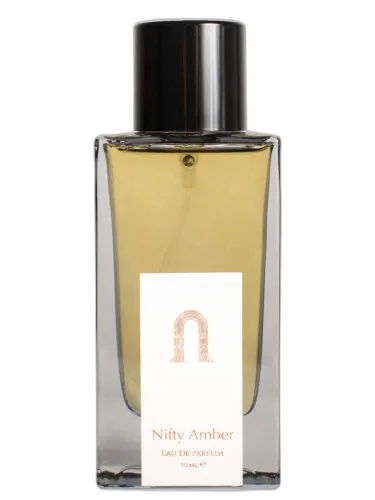
NSHQ
Nifty Amber Nshq
Shared accords: amber, aromatic, cinnamon
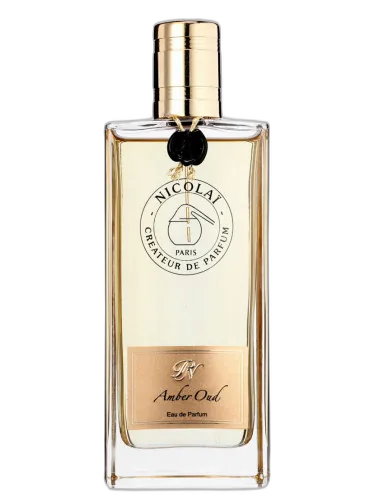
Nicolai Parfumeur Createur
Amber Oud Nicolai Parfumeur Createur
Shared accords: amber, aromatic, fresh spicy

O Boticário
Uomini Black O Boticário
Shared accords: amber, aromatic, cinnamon