
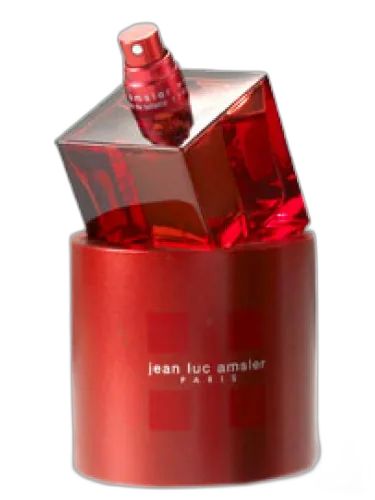
Jean Luc Amsler Prive Femme Jean Luc Amsler
At a glance
Is Jean Luc Amsler Prive Femme Jean Luc Amsler worth trying?
Jean Luc Amsler Prive Femme by Jean Luc Amsler is a Oriental Floral fragrance for women.
- Best match
- Evening, Special Occasion wear in Fall, Winter
- Performance feel
- Good longevity with Moderate sillage
- Signature profile
- fruity, aromatic, warm spicy with Rhuburb, Cassis, Cardamom
The first impression
Jean Luc Amsler Prive Femme by Jean Luc Amsler is a Oriental Floral fragrance for women. Jean Luc Amsler Prive Femme was launched in 2001. The nose behind this fragrance is Cecile Matton. Top notes are Rhuburb and Cassis; middle notes are Cardamom, Lotus and Jasmine; base notes are Peach, Amber, Apricot, Tonka Bean, Orris Root and Musk.
What shapes the scent
The perfumer behind it

Cecile Matton
Cecile Matton has worked with brands such as BDK Parfums, Chloé, Diptyque, and Etat Libre d'Orange. Her creations include Tubereuse Imperiale, Nomade Lumiere D'egypte, and Venise, showcasing a range from rich florals to bold, artistic scents. She is recognized for her versatility and ability to interpret diverse briefs.
Notes pyramid
Top Notes
First impression · 15-30 min
 Rhuburb
Cassis
Rhuburb
Cassis
Heart Notes
Core character · 2-4 hours
 Cardamom
 Lotus
Lotus
 Jasmine
Base Notes
Lasting impression · 4+ hours
 Peach
Peach
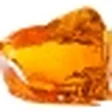 Amber
Amber
 Apricot
 Tonka Bean
 Orris Root
 Musk
Musk
The mood it creates
The Lover Archetype: Portrait of Jean Luc Amsler Prive Femme Jean Luc Amsler
Essence
The person who is drawn to Jean Luc Amsler Prive Femme is most closely aligned with the Enchantress archetype-a figure of magnetic allure, depth, and mystery. This archetype thrives on transformation, weaving an aura of fascination around herself, drawing others into her world with effortless grace. She is not merely seductive in the carnal sense but in the way she shapes reality through perception, emotion, and intuition. Like a modern-day Circe, she understands the power of presence, using scent as an extension of her identity-a whisper of vanilla, amber, and floral sophistication that lingers in the air long after she has left.
Yet, the Enchantress is not without her shadows. Her mastery of allure can slip into manipulation, her love of mystery into evasion. She may enchant others so deeply that they lose themselves in her reflection, or she may retreat too far into her own mystique, leaving genuine connection just out of reach.
Style & Aesthetic
Her tastes are deliberate, never accidental. She favors textures that suggest hidden depths-velvet that catches the light, silk that shifts with movement, leather that softens with time. Her wardrobe is a curated blend of classic elegance and subtle provocation: a tailored blazer with a neckline that hints rather than reveals, a vintage brooch pinned to a modern silhouette.
Her home is an extension of this philosophy-warm but never cluttered, filled with objects that tell stories without words. A well-worn book of poetry rests on a mahogany side table, next to a glass of amaretto left half-finished. She surrounds herself with art that evokes emotion rather than explanation-a Klimt print here, an abstract sketch there, all bathed in the golden glow of dimmed lamps.
She moves through life with deliberate rhythm. Her career, if she has one, is likely in a field that allows for creativity and influence-perhaps design, psychology, or the arts. She is not one for rigid schedules or corporate mundanity; she thrives in environments where she can shape perceptions, whether through words, images, or presence.
Her leisure is equally intentional. She enjoys solitary walks through cities at dusk, the kind where the world feels both intimate and infinite. She frequents small, dimly lit bars where the bartender knows her order, but not her story. She reads voraciously, favoring authors who explore the interplay of desire and identity-Nabokov, Duras, perhaps even Nietzsche himself.
Philosophy & Values
She believes in the power of illusion-not as deception, but as an art form. Life, to her, is a series of impressions, and she crafts hers with care. She values intelligence, but not the dry, academic kind; hers is the intelligence of intuition, of reading a room before speaking, of knowing when silence speaks louder than words.
Her morality is nuanced. She does not see the world in absolutes but in shades of influence. She may bend the truth if it serves a greater aesthetic or emotional harmony, though she would never call it lying-merely shaping reality to fit a more compelling narrative.
Relationships
People are drawn to her like moths to a flame, and she knows it. She enjoys the dance of attraction, the slow unfurling of a connection, the way a glance can hold more meaning than a confession. Yet, she is selective. She does not give herself easily, preferring relationships that unfold like a well-paced novel rather than a hasty confession.
Her lovers often find themselves intoxicated by her presence, but some grow frustrated by her elusiveness. She does not lie, but she does not always reveal. The shadow of the Enchantress is that she may keep even those closest to her at arm’s length, guarding her true self behind layers of allure.
Shadow
For all her magnetism, the Enchantress risks becoming a prisoner of her own mystique. Her ability to shape perceptions can make her lose sight of her own truth. She may grow so accustomed to being admired that she forgets how to be known.
At her worst, she can be capricious, withdrawing affection without explanation, leaving others bewildered in her wake. She may mistake control for depth, believing that if she never fully reveals herself, she can never be truly vulnerable. But vulnerability is the price of real connection, and without it, even the most enchanting presence grows hollow.
Conclusion
She is neither saint nor seductress, but something more complex-a woman who understands the power of image yet yearns, in moments of quiet honesty, for something beyond it. Jean Luc Amsler Prive Femme is her signature because it mirrors her essence: intoxicating, layered, impossible to pin down.
The Enchantress does not seek to be understood-only to be felt. And in that, she succeeds magnificently.
If you like this, try these
Fragrances with a comparable profile - shared accords, notes, and character.
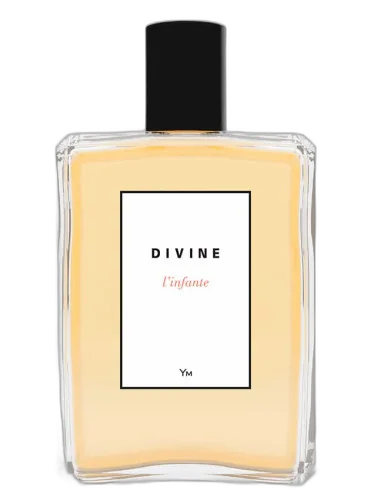
Divine
L'infante Divine
Shared top notes: cassis
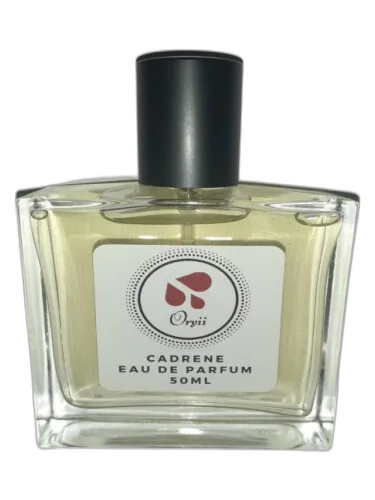
Oryii
Cadrene Oryii
Shared heart notes: cardamom, jasmine
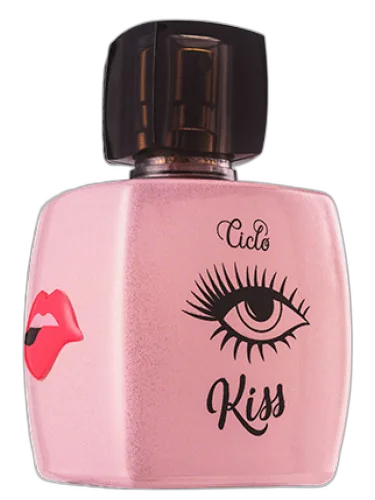
Ciclo Cosméticos
Kiss Ciclo Cosméticos
Shared top notes: cassis
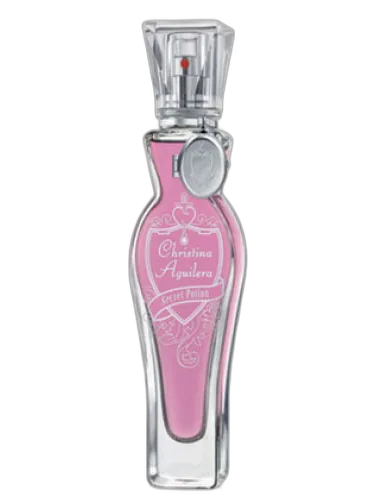
Christina Aguilera
Secret Potion Christina Aguilera
Shared heart notes: jasmine, lotus
Myrurgia
Triangle Myrurgia
Shared top notes: cassis