
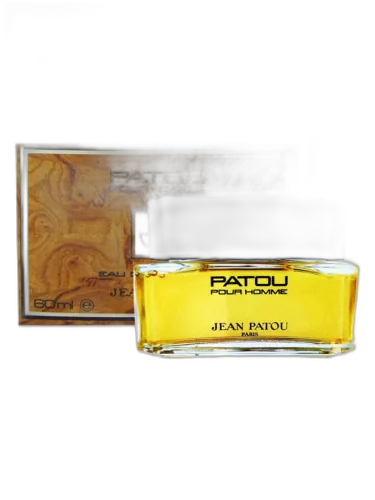
Patou Pour Homme Jean Patou
At a glance
Is Patou Pour Homme Jean Patou worth trying?
Patou pour Homme by Jean Patou is a Oriental Fougere fragrance for men.
- Best match
- Evening wear in Fall
- Performance feel
- Very Good longevity with Moderate sillage
- Signature profile
- aromatic, woody, fresh spicy with Clary Sage, Lavender, Basil
The first impression
Patou pour Homme by Jean Patou is a Oriental Fougere fragrance for men. Patou pour Homme was launched in 1980. The nose behind this fragrance is Jean Kerleo. Top notes are Clary Sage, Lavender, Basil, Black Pepper, Pimento Seeds and Tarragon; middle notes are Patchouli, Vetiver, Geranium, Fir and Cedar; base notes are Leather, Civet, Vanilla, Tonka Bean, Sandalwood and Labdanum.
What shapes the scent
The perfumer behind it

Jean Kerleo
Jean Kerleo was a French perfumer who worked extensively for Jean Patou, creating classics like 1000, Cocktail, Eau De Patou, Ma Liberte, Patou For Ever, and Patou Pour Homme. He also composed Helena Rubinstein's Emotion and Lacoste for Jean Patou. Kerleo's fragrances are noted for their elegance and timeless appeal.
Notes pyramid
Top Notes
First impression · 15-30 min
 Clary Sage
 Lavender
 Basil
Basil
 Black Pepper
 Pimento Seeds
 Tarragon
Heart Notes
Core character · 2-4 hours
 Patchouli
 Vetiver
 Geranium
 Fir
Fir
 Cedar
Cedar
Base Notes
Lasting impression · 4+ hours
 Leather
 Civet
Civet
 Vanilla
 Tonka Bean
 Sandalwood
 Labdanum
The mood it creates
The Sage Archetype: Portrait of Patou Pour Homme Jean Patou
Essence
Patou Pour Homme is a fragrance of quiet distinction-complex, refined, and layered with depth. It does not announce itself with brashness but lingers in the mind like an unsolved riddle. Its blend of citrus, spices, and woods suggests a man who values subtlety over spectacle, intellect over impulse. This is not the scent of a man who seeks to dominate a room but one who observes it, dissects it, and understands it before choosing to engage.
The man who wears Patou Pour Homme is most closely aligned with the Sage archetype. He is a seeker of knowledge, a collector of wisdom, and a master of restraint. His mind is his greatest asset, and he wields it with precision. The Sage does not rush to conclusions; he weighs, analyzes, and refines his thoughts before speaking. He values truth above comfort, clarity above sentiment, and depth above superficial charm.
Yet, like all archetypes, the Sage has his shadow. His relentless pursuit of understanding can become detachment, his analytical nature can turn cold, and his preference for contemplation may lead to inaction. He risks becoming a spectator of life rather than a participant, observing the world from behind the safety of his intellect.
Style & Aesthetic
His aesthetic is understated elegance. He wears tailored but not ostentatious clothing-a well-cut blazer, a crisp shirt, shoes that suggest craftsmanship rather than trendiness. His home reflects the same ethos: a balance of comfort and refinement, with bookshelves as the focal point. He collects art, not for investment but for the dialogue it creates in his mind.
In music, he favors complexity-jazz, classical, or the rare album that rewards repeated listening. His taste in food and drink is similarly refined; he enjoys a well-aged whiskey or a meticulously prepared meal, not as status symbols but as experiences to be savored and understood.
Philosophy & Values
His life is structured yet fluid-governed by principles rather than rigid rules. He is drawn to philosophy, literature, and the arts, but not as mere hobbies; they are extensions of his search for meaning. He reads Nietzsche not for intellectual posturing but because he recognizes the weight of the questions posed. He prefers the company of books, museums, and quiet cafés to loud gatherings, though he is not a recluse. He engages when he deems it worthwhile, often leaving a lasting impression with his insights.
His philosophy is one of measured individualism. He does not rebel for rebellion’s sake, nor does he conform out of fear. He chooses his battles carefully, knowing that wisdom lies not in blind defiance but in strategic independence. He values authenticity but scorns performative nonconformity-he is too discerning to be a mere contrarian.
Relationships
He is selective in friendship, preferring depth to breadth. He does not suffer fools gladly, but those who earn his respect find him fiercely loyal. Romantic relationships are rare but intense-he is not one for casual entanglements. When he loves, it is with a quiet intensity, though his analytical nature can sometimes make emotional expression a challenge.
His greatest struggle in relationships is emotional accessibility. He understands emotions intellectually but may struggle to inhabit them fully. His partner may find him distant at times, not from lack of care, but from an over-reliance on reason as a shield against vulnerability.
Shadow
The Sage’s greatest flaw is his tendency toward over-intellectualization. Life is not merely a puzzle to be solved, yet he sometimes treats it as such. He may dismiss passion as irrational or avoid risks because he has already calculated the odds. His caution can become paralysis, his wisdom can turn into cynicism, and his love of solitude can morph into isolation.
To transcend his shadow, he must learn that not all truths are found in books. Some are felt in the pulse of life, in the uncharted territory of raw experience. The Sage must occasionally step out of his mind and into the world-not as an observer, but as a participant.
Conclusion
When the Sage embraces both his intellect and his humanity, he becomes more than a thinker-he becomes a guide. His wisdom is no longer a fortress but a torch, illuminating paths for others without losing himself in the process. The man who wears Patou Pour Homme is not merely a collector of knowledge but a curator of meaning, shaping his life with the same deliberate care as the fragrance he chooses-complex, enduring, and quietly unforgettable.
If you like this, try these
Fragrances with a comparable profile - shared accords, notes, and character.
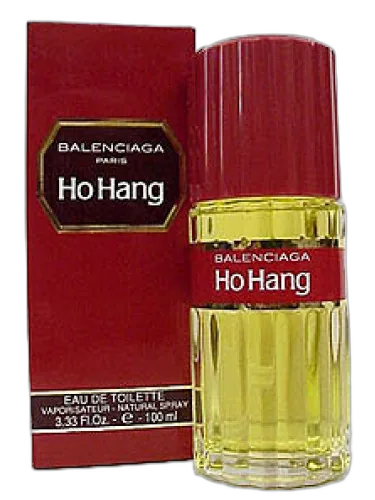
Balenciaga
Ho Hang Balenciaga
Shared top notes: basil, lavender
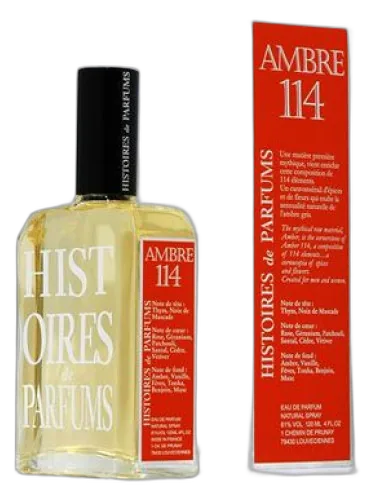
Histoires de Parfums
Ambre 114 Histoires De Parfums
Shared heart notes: cedar, geranium, patchouli
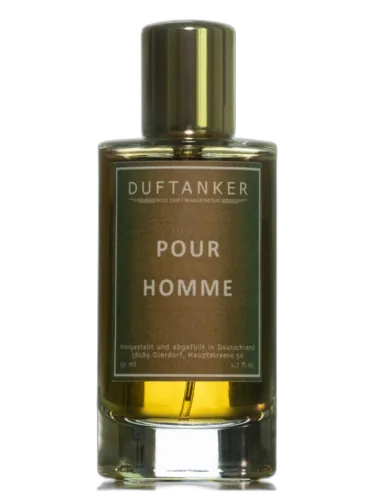
MGO Duftanker
Pour Homme Mgo Duftanker
Shared top notes: basil, clary sage, lavender
Valentino
Vendetta Uomo Valentino
Shared top notes: basil
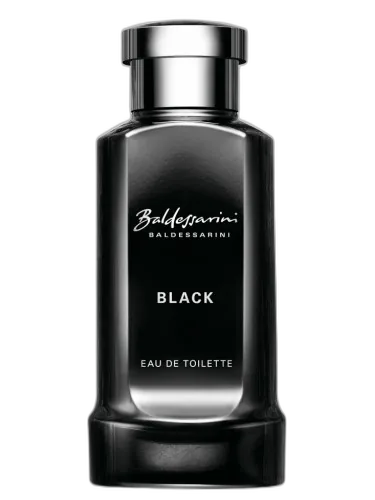
Baldessarini
Baldessarini Black Baldessarini
Shared top notes: basil