


Adriane Galisteu Fashion Jequiti
At a glance
Is Adriane Galisteu Fashion Jequiti worth trying?
Adriane Galisteu Fashion by Jequiti is a Floral Fruity fragrance for women.
- Best match
- Evening wear in Spring
- Performance feel
- Good longevity with Moderate sillage
- Signature profile
- floral, fruity, fresh with Red Berries, Cassis, Peony
The first impression
Adriane Galisteu Fashion by Jequiti is a Floral Fruity fragrance for women. Adriane Galisteu Fashion was launched in 2013. The nose behind this fragrance is Marion Costero. Top notes are Red Berries and Cassis; middle notes are Peony, Acácia and Rose; base notes are Amber and Musk.
What shapes the scent
The perfumer behind it

Marion Costero
Marion Costero has created fragrances for Avon, Devota & Lomba, Eudora, and Granado, including 300 Km/h Quantum and Boemia. Her work spans energetic, fruity florals to classic lavender and warm orientals. She adapts her style to mass-market and niche audiences alike.
Notes pyramid
Top Notes
First impression · 15-30 min
 Red Berries
 Cassis
Heart Notes
Core character · 2-4 hours
 Peony
Peony
 Acácia
 Rose
Rose
Base Notes
Lasting impression · 4+ hours
 Amber
Amber
 Musk
Musk
The mood it creates
The Lover Archetype: Portrait of Adriane Galisteu Fashion Jequiti
Essence
To wear Adriane Galisteu Fashion Jequiti is to embrace a fragrance that is bold, seductive, and unapologetically feminine-a scent that lingers in memory like a whispered promise. The person who chooses this fragrance is not one to fade into the background; they are drawn to the intoxicating dance of attraction, beauty, and pleasure. They embody The Lover archetype, a figure who lives through the senses, seeking connection, intensity, and the sublime in both people and experiences.
Relationships
For The Lover, relationships are not casual affairs. They crave intimacy that borders on the sacred, whether romantic or platonic. They are fiercely loyal to those who truly see them, offering warmth, generosity, and an almost poetic appreciation for their loved ones. Their presence makes others feel desired, cherished-even worshiped.
Yet, their intensity can be overwhelming. They do not love in halves, and they expect the same in return. When disappointed, they may retreat into melancholy or indulge in dramatic gestures. Their shadow emerges in possessiveness, an unwillingness to let go, or a tendency to romanticize people beyond reality. They may mistake infatuation for destiny, losing themselves in the idea of love rather than its truth.
Shadow
The Lover’s greatest strength-their capacity for deep feeling-can also be their downfall. When unbalanced, they may become hedonistic, chasing pleasure to fill an inner void. They might indulge in luxury beyond their means, or cling to relationships long after they have turned toxic. Their fear? To be ordinary, unloved, unnoticed.
At their worst, they can manipulate through charm, using their allure to control rather than connect. They may also struggle with vanity, becoming overly attached to their image or external validation. Yet, even in their flaws, there is a vulnerability-a raw need to be seen, to matter.
Conclusion
When The Lover is at their best, they remind others of the beauty in being alive. They are the friend who brings flowers for no reason, the lover who writes letters by hand, the artist who finds the divine in the everyday. They teach us that passion is not frivolous-it is the essence of a life fully lived.
But they must also learn that not all that glitters is gold, that depth exists beyond the surface, and that true love requires both fire and patience. If they can balance their ardor with wisdom, they become not just a fleeting flame, but a light that endures.
If you like this, try these
Fragrances with a comparable profile - shared accords, notes, and character.

Burberry
Burberry Her London Dream Burberry
Shared heart notes: peony, rose

Masca Parfums
About You... Masca Parfums
Shared top notes: cassis
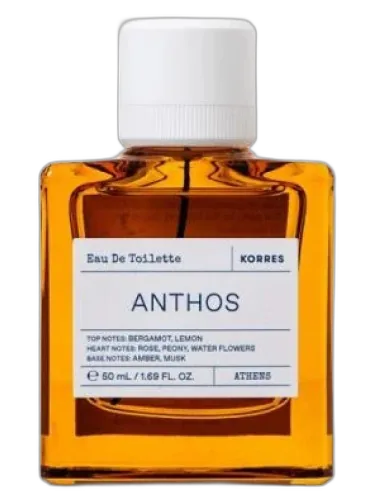
Korres
Anthos Korres
Shared heart notes: peony, rose
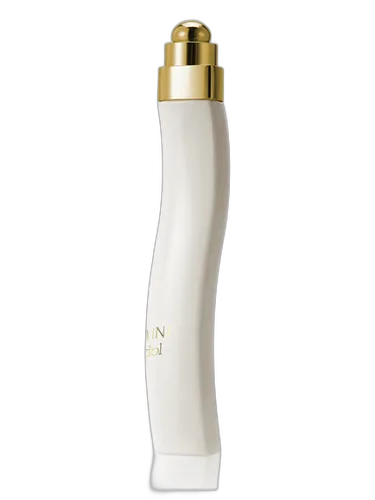
Oriflame
Divine Idol Oriflame
Shared top notes: red berries
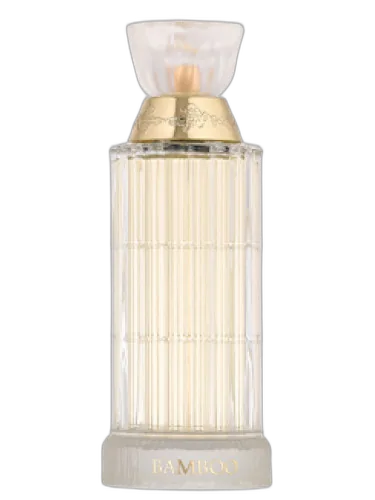
MAIOS
Bamboo Maios
Shared top notes: red berries