


Caminho Das Águas Banho De Felicidade Pêra E Pitanga Jequiti
Fragrance Story
Caminho das Águas Banho de Felicidade Pêra e Pitanga by Jequiti is a Floral Fruity fragrance for women. Caminho das Águas Banho de Felicidade Pêra e Pitanga was launched in 2013.
Composition Profile
About the Perfumer

Unknown Perfumer
Fragrance Notes
All Notes
Complete scent profile
 Musk
Musk
 Pear
Pear
 Pitanga
Character Profile
The Lover Archetype: Portrait of Caminho Das Águas Banho De Felicidade Pêra E Pitanga Jequiti
Essence
To wear Caminho Das Águas Banho De Felicidade Pêra E Pitanga Jequiti is to embrace life as a feast for the senses-a celebration of sweetness, warmth, and the fleeting beauty of ripe fruit. This fragrance, with its playful blend of pear and pitanga (Brazilian cherry), evokes a spirit of indulgence, pleasure, and connection. The person who chooses it is not merely selecting a scent; they are declaring an ethos, a way of moving through the world that prioritizes joy, sensuality, and the richness of experience.
At their core, this individual is defined by The Lover archetype. They are drawn to beauty in all its forms-art, music, food, touch, scent-and they seek to immerse themselves in the pleasures of existence. The Lover does not merely observe life; they taste it, savor it, and share it. Their presence is magnetic because they embody the intoxicating allure of being fully alive.
Yet, like all archetypes, The Lover has a shadow. When unbalanced, their pursuit of pleasure can tip into excess, their charm into manipulation, their passion into possessiveness. They may struggle with commitment, fearing that deep bonds will dull the thrill of new experiences. Or, conversely, they may cling too tightly, suffocating what they adore.
Philosophy & Values
Their philosophy is simple but profound: life is to be enjoyed, not endured. They reject asceticism, seeing it as a denial of human nature. To them, pleasure is not frivolous-it is sacred. They believe in savoring the present, in the transformative power of beauty, in the necessity of touch, taste, and scent as pathways to deeper connection.
Yet this philosophy is not without its challenges. They may struggle with transience-the inevitable fading of all beautiful things. The pitanga, like all fruit, rots; the scent fades; the moment passes. This awareness can make them restless, always chasing the next thrill, the next intoxication, afraid that stillness will bring emptiness.
Relationships
In love, they are passionate and generous, but also demanding. They crave intensity, depth, a merging of souls-yet they may fear the mundane realities of long-term commitment. Their relationships are often marked by high highs and low lows, as they oscillate between adoration and disillusionment.
They are natural seducers, not out of malice, but because they cannot help but draw others into their world of sensation. Their lovers remember them not just for their touch, but for the way they made the ordinary feel extraordinary-a shared meal becoming a feast, a quiet night a whispered secret.
But their shadow emerges when pleasure becomes escape, when they use charm to avoid vulnerability, or when their fear of boredom leads them to discard what is real for what is merely exciting.
Shadow
The Lover’s greatest weakness is their refusal of limits. They may indulge too deeply in wine, in romance, in fantasy, mistaking intensity for meaning. They may grow impatient with the slow, quiet work of building a life, preferring the rush of new sensations.
At their worst, they become the Hedonist-not the joyful celebrant of life, but the restless addict, always hungry, never satisfied. They may hurt others not out of cruelty, but because they cannot bear to be confined, even by love.
Conclusion
Their tastes are unapologetically hedonistic, yet refined. They prefer the richness of a perfectly ripe fruit over artificial sweetness, the texture of handcrafted fabrics over mass-produced synthetics. Their home is a sanctuary of comfort-soft throws, warm lighting, fresh flowers-where every detail is chosen to delight the senses. They might collect artisanal perfumes, vintage records, or handmade ceramics, not as status symbols, but as extensions of their own sensory world.
In style, they favor effortless elegance-flowing fabrics, earthy tones, perhaps a touch of bohemian flair. They move with an easy grace, as if their body is an instrument of pleasure rather than a mere vessel. Their laughter is frequent, their touch lingering. They are not afraid of color, of texture, of the bold and the vibrant.
Similar Fragrances
Fragrances with a comparable profile - shared accords, notes, and character.
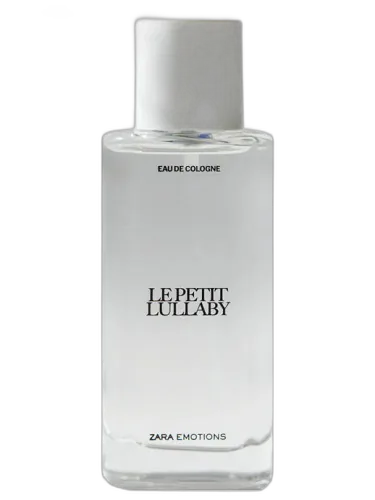
Zara
Le Petit Lullaby Zara
Shared accords: fruity, musky, powdery

Marc Jacobs
Daisy Daze Marc Jacobs
Shared accords: fruity, musky, powdery

Ariana Grande
Thank U Next 2.0 Ariana Grande
Shared accords: fruity, musky, powdery

Toni Cabal
034w - Pear & Muguet Toni Cabal
Shared accords: fruity, musky, powdery

Justin Bieber
The Key Justin Bieber
Shared accords: fruity, musky, powdery