
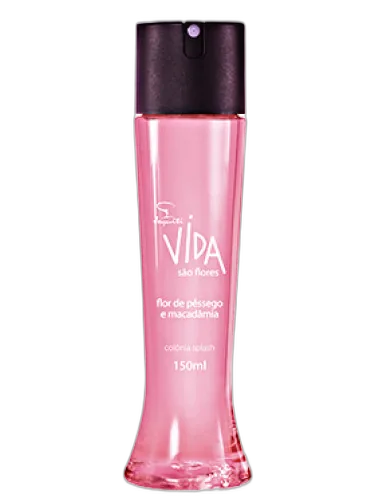

Flor De Pêssego E Macadâmia Jequiti
Fragrance Story
Flor de Pêssego e Macadâmia by Jequiti is a Floral fragrance for women. Flor de Pêssego e Macadâmia was launched in 2012.
Composition Profile
About the Perfumer

Unknown Perfumer
Fragrance Notes
All Notes
Complete scent profile
 Peach Blossom
 Macadamia
Flor De Pêssego E Macadâmia Jequiti by Jequiti offers a distinctive olfactory experience that stands out from other fragrances in its category.
Crafted with the finest ingredients and a blend of traditional and modern perfumery techniques, this fragrance represents the pinnacle of the perfumer's art.
Flor De Pêssego E Macadâmia Jequiti embodies the distinctive style of Jequiti while adding a unique chapter to their fragrance portfolio.
Character Profile
The Lover Archetype: Portrait of Flor De Pêssego E Macadâmia Jequiti
Essence
At the core of this person’s essence lies The Lover-an archetype defined by sensuality, warmth, and an unwavering pursuit of beauty. Like the fragrance itself-a delicate balance of peach blossom and creamy macadamia-they embody both softness and richness, a duality that draws others in. The Lover does not merely exist; they experience, savoring life through the senses, seeking pleasure in textures, scents, and emotions. Their world is one of aesthetic indulgence, where even the mundane can be transformed into something exquisite.
Yet, as with all archetypes, The Lover has a shadow. Their pursuit of beauty can tip into vanity, their desire for connection can become dependency, and their aversion to harshness may lead them to avoid necessary truths. They are not naive, but they are selective in what they allow into their world-sometimes to their detriment.
Relationships
In love, they are both generous and demanding. They do not merely want a partner-they want a co-conspirator in delight, someone who understands that a shared meal, a lingering touch, or the right scent can be as profound as any declaration. Their relationships are tactile, expressive, and deeply affectionate.
But here, the shadow emerges. Their need for harmony can make them avoid conflict, smoothing over problems with charm rather than addressing them. They may grow frustrated when others do not match their emotional intensity, interpreting indifference as betrayal. And if their affections are unreturned, they can spiral into melancholy, mistaking temporary rejection for the collapse of beauty itself.
Shadow
The Lover’s greatest weakness is their fear of ugliness-not just in appearance, but in life’s inevitable harshness. They may avoid difficult conversations, retreat into aesthetic escapism, or become overly reliant on external validation. When wounded, they do not rage; they wilt, withdrawing into a world of curated comforts rather than facing discomfort.
Yet, this very sensitivity is also their strength. Their ability to find joy in small things makes them resilient in subtle ways. They know how to heal themselves-and others-through tenderness.
Conclusion
To encounter this person is to be reminded that life is not merely functional-it is sensual, textured, and rich. They are the ones who pause to admire the way light filters through leaves, who remember the exact scent of a lover’s skin, who believe that a well-set table is a silent act of love.
But they must learn that beauty is not just in perfection-it is also in the cracks, the flaws, the unpolished moments. Only then can The Lover transcend mere indulgence and become truly wise.
Similar Fragrances
Fragrances with a comparable profile - shared accords, notes, and character.

Victoria's Secret
Love Spell Starlit Victoria's Secret
Shared accords: floral, fruity
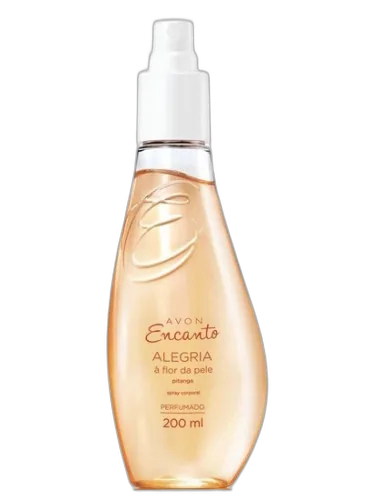
Avon
Encanto Alegria Pitanga Avon
Shared accords: floral, fruity

Essenzialmente Laura
Fior Di Pesco Essenzialmente Laura
Shared accords: floral, fruity

Natura
Algodão Envolvente Natura
Shared accords: floral, nutty
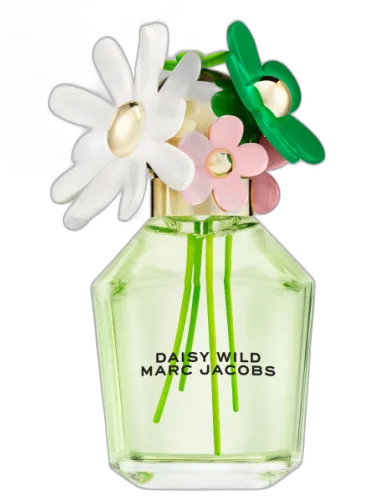
Marc Jacobs
Daisy Wild Marc Jacobs
Shared accords: floral, fruity, nutty