


Gunne Sax Jessica Mcclintock
At a glance
Is Gunne Sax Jessica Mcclintock worth trying?
Gunne Sax by Jessica McClintock is a Floral Woody Musk fragrance for women.
- Best match
- Special Occasion wear in Spring
- Performance feel
- Good longevity with Moderate sillage
- Signature profile
- woody, aromatic, amber with elemi, Bergamot, Freesia
The first impression
Gunne Sax by Jessica McClintock is a Floral Woody Musk fragrance for women. This is a new fragrance. Gunne Sax was launched in 2024. Top notes are elemi, Bergamot and Freesia; middle notes are Amyris, Ambrette and Iris; base notes are Norlimbanol™, Sandalwood, Musk and Amber.
What shapes the scent
The perfumer behind it

Unknown Perfumer
Notes pyramid
Top Notes
First impression · 15-30 min
 elemi
elemi
 Bergamot
 Freesia
Heart Notes
Core character · 2-4 hours
 Amyris
 Ambrette
 Iris
Iris
Base Notes
Lasting impression · 4+ hours
 Norlimbanol™
 Sandalwood
 Musk
Musk
 Amber
Amber
The mood it creates
The Lover Archetype: Portrait of Gunne Sax Jessica Mcclintock
Essence
To wear Gunne Sax by Jessica McClintock is to embrace an aura of delicate nostalgia, a fragrance that lingers like the memory of a first love or a sunlit garden in spring. The person who cherishes this scent is not merely drawn to its floral sweetness-rose, jasmine, and a whisper of vanilla-but to the world it evokes: one of softness, grace, and an unshakable belief in beauty. They are, at their core, a Romantic, an archetype that thrives on idealism, emotional depth, and a longing for the sublime.
Shadow
Yet, the Romantic is not without their thorns. Their devotion to beauty can slip into escapism, a refusal to engage with life’s harsher truths. They may construct elaborate fantasies-about love, about people, about their own potential-only to crumble when reality fails to match their vision. Disillusionment wounds them deeply, and they may retreat further into their dreamscape rather than confront the imperfect world.
Their relationships, though tender, can be tinged with possessiveness. They love intensely, but sometimes they love the idea of a person more than the person themselves. When others fail to meet their idealized expectations, they may withdraw in silent disappointment rather than voice their hurt. Their avoidance of conflict can lead to passive-aggressive tendencies, a quiet martyrdom that stifles genuine resolution.
There is also a subtle vanity in their aestheticism. They may judge others-and themselves-too harshly for lacking refinement, mistaking surface grace for moral virtue. Their disdain for vulgarity can border on snobbery, an unspoken belief that they are just a little more sensitive, a little more pure, than the crude masses around them.
The Romantic’s greatest strength-their capacity to see and create beauty-is also their greatest vulnerability. They walk a tightrope between inspiration and delusion, between deep empathy and self-absorption. Yet when balanced, they are a rare soul in a world that often forgets to pause, to feel, to cherish.
They do not merely wear Gunne Sax-they embody it. A fragrance for those who still believe in magic, even as the modern world tries to stamp it out.
Conclusion
This individual moves through life with an artist’s eye, finding poetry in the mundane. Their tastes are refined yet whimsical-vintage lace, pressed flowers, handwritten letters, and the faintest hint of candlelight at dusk. They prefer muted pastels and flowing fabrics, garments that suggest rather than declare, as if they are always half-dreaming of another era. Their home is a sanctuary of curated charm: antique teacups, well-loved books, and the faint scent of dried lavender in the air.
Philosophically, they are drawn to the notion that life should be felt rather than merely lived. They believe in love as a transformative force, in kindness as a sacred duty, and in beauty as a necessity, not a luxury. Their relationships are deep and tender, often marked by an almost maternal protectiveness over those they cherish. They are the friend who remembers birthdays with handwritten notes, who listens with unwavering patience, who offers a shoulder without judgment.
Their lifestyle is one of deliberate slowness-a resistance to the modern cult of haste. They savor long walks, the ritual of brewing tea, the quiet pleasure of a well-kept journal. They may be drawn to creative pursuits: writing, painting, gardening, or music, not for fame but for the sheer joy of creation.
If you like this, try these
Fragrances with a comparable profile - shared accords, notes, and character.

Phlur
Soft Spot Phlur
Shared top notes: bergamot, freesia
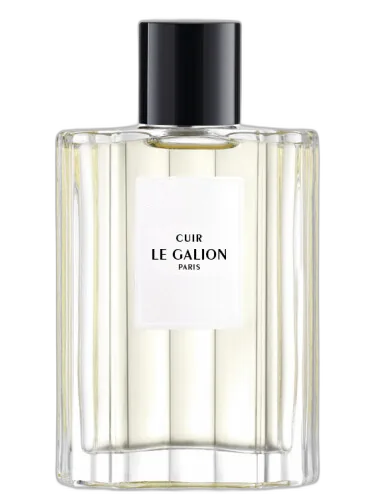
Le Galion
Cuir Le Galion
Shared top notes: bergamot, elemi
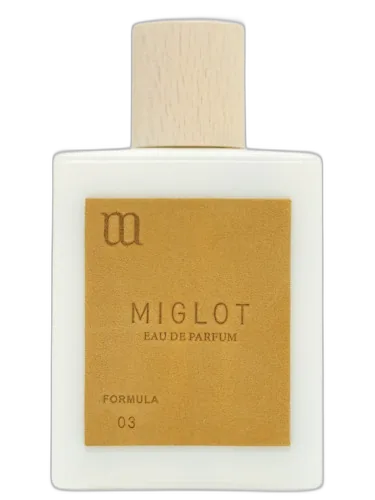
Miglot
Formula 03 Miglot
Shared top notes: bergamot
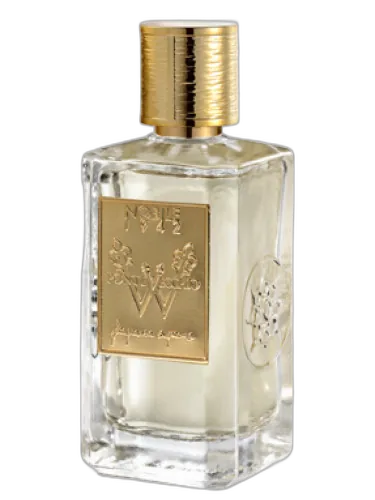
Nobile 1942
Pontevecchio W Nobile 1942
Shared top notes: bergamot
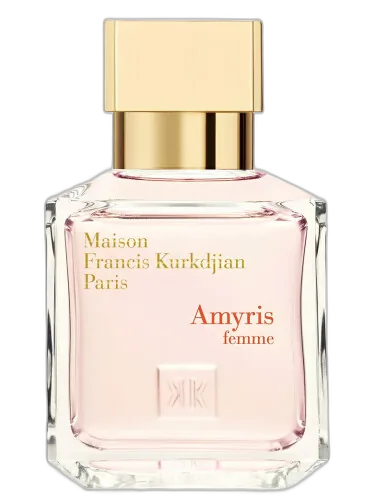
Maison Francis Kurkdjian
Amyris Femme Maison Francis Kurkdjian
Shared heart notes: amyris, iris