
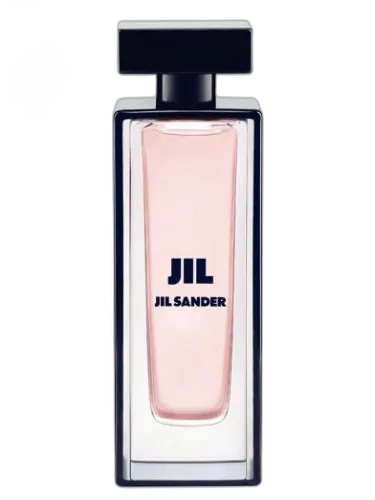

Jil Eau De Parfum Jil Sander
At a glance
Is Jil Eau De Parfum Jil Sander worth trying?
Jil Eau de Parfum by Jil Sander is a Oriental Floral fragrance for women.
- Best match
- Office wear in Spring
- Performance feel
- Moderate longevity with Moderate sillage
- Signature profile
- powdery, vanilla, lavender with Lavender, Pink Pepper, Tangerine
The first impression
Jil Eau de Parfum by Jil Sander is a Oriental Floral fragrance for women. Jil Eau de Parfum was launched in 2009. Jil Eau de Parfum was created by Olivier Polge and Bruno Jovanovic. Top notes are Lavender, Pink Pepper and Tangerine; middle notes are Heliotrope, Orris and Lily-of-the-Valley; base notes are Vanilla, Musk and Amber.
What shapes the scent
The perfumer behind it

Bruno Jovanovic
Bruno Jovanovic is a versatile perfumer whose work spans multiple brands, including A Lab on Fire, Abercrombie & Fitch, Al-Jazeera Perfumes, Amouage, Avon, and Awshal. His catalog features Almost Transparent Blue, Fierce, 380, Moscow, Opus Xii - Rose Incense, The Library Collection Rose Incense, Crystal Aura, and Perles De Myrrhe. Jovanovic's compositions range from fresh and sporty to rich and incense-laden, demonstrating his broad expertise.
Notes pyramid
Top Notes
First impression · 15-30 min
 Lavender
 Pink Pepper
 Tangerine
Heart Notes
Core character · 2-4 hours
 Heliotrope
 Orris
Orris
 Lily-of-the-Valley
Base Notes
Lasting impression · 4+ hours
 Vanilla
 Musk
Musk
 Amber
Amber
The mood it creates
The Lover Archetype: Portrait of Jil Eau De Parfum Jil Sander
Essence
At their core, this person is defined by the Sage archetype-a seeker of truth, clarity, and refined elegance. The Sage values wisdom, discernment, and a quiet mastery over the self. They are drawn to the understated yet profound, much like Jil Eau de Parfum itself-a fragrance that speaks in whispers rather than shouts, favoring precision over excess.
The Sage is not merely intellectual but deeply aesthetic, understanding that beauty and truth are intertwined. They do not chase trends; they refine them. Their life is an exercise in distillation-removing the unnecessary, leaving only what is essential.
Relationships
They do not collect friends; they cultivate them. Their relationships are few but profound, built on mutual respect and intellectual exchange. Superficial charm repels them-they seek those who, like them, value substance.
In love, they are slow to trust but fiercely loyal once they do. They do not fall easily; they choose. Their partner must be their equal-someone who understands silence as well as speech, who values independence as much as intimacy.
Yet, their discernment can become a shadow of isolation. Their standards are exacting, and they may withdraw from those who do not meet them. They risk becoming hermits of their own making, mistaking solitude for wisdom.
Shadow
The Sage’s greatest flaw is the tendency to over-intellectualize life. They may dissect emotions until they lose their warmth, turning love into a concept rather than a feeling. Their pursuit of perfection can make them impatient with human frailty-including their own.
They may also harbor a quiet arrogance, believing their refined tastes make them superior. They disdain the vulgar, the loud, the excessive-but in doing so, they may forget that life, in all its messiness, cannot always be distilled into clean lines.
Conclusion
Their tastes are deliberate, almost meditative. They prefer clean lines in architecture, monochrome palettes in art, and silence over noise. Their home is a sanctuary of order-each object chosen with care, nothing superfluous. They might admire the Bauhaus movement or the restrained elegance of Japanese minimalism, seeing in these philosophies a mirror of their own values.
In fashion, they are drawn to Jil Sander’s ethos: structured yet fluid, luxurious yet unpretentious. They wear clothes that move with them, never constricting, never loud. Their wardrobe is a curated collection, not an accumulation.
Philosophically, they believe in the power of restraint. Excess, to them, is a kind of vulgarity. They are wary of sentimentality, preferring rationality, yet they are not cold-they simply demand depth in emotion, not spectacle.
If you like this, try these
Fragrances with a comparable profile - shared accords, notes, and character.
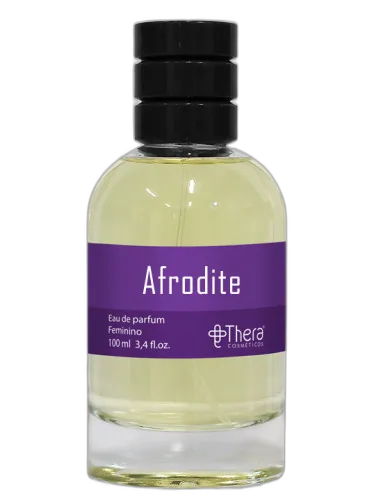
Thera Cosméticos
Afrodite Thera Cosméticos
Shared top notes: tangerine
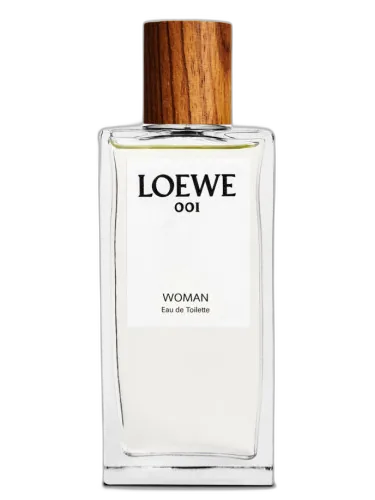
Loewe
Loewe 001 Woman Edt Loewe
Shared top notes: pink pepper, tangerine
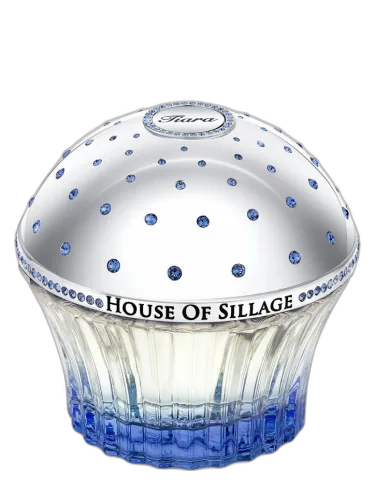
House Of Sillage
Tiara House Of Sillage
Shared top notes: tangerine
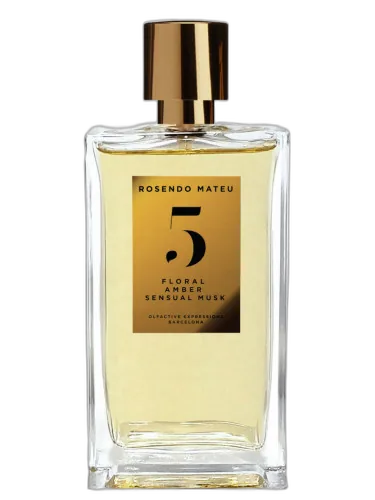
Rosendo Mateu Olfactive Expressions
Rosendo Mateu Nº 5 Floral, Amber, Sensual Musk Rosendo Mateu Olfactive Expressions
Shared heart notes: lily-of-the-valley
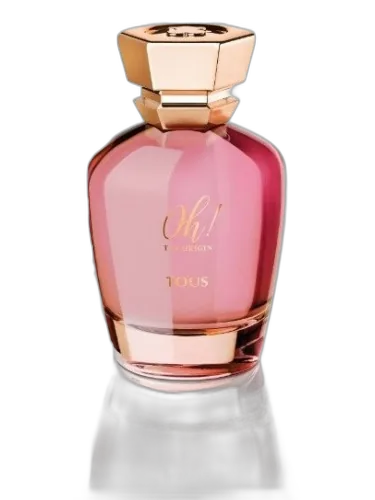
Tous
Oh! The Origin Tous
Shared top notes: pink pepper, tangerine