
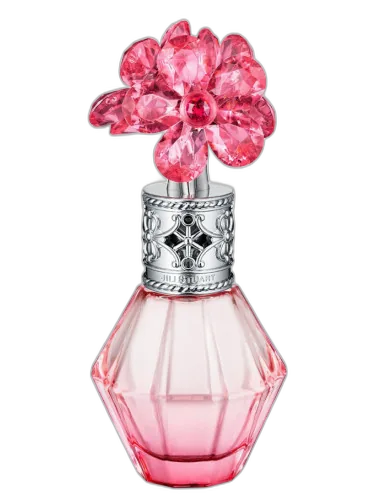

Crystal Bloom Promised Love Jill Stuart
At a glance
Is Crystal Bloom Promised Love Jill Stuart worth trying?
Crystal Bloom Promised Love by Jill Stuart is a Floral fragrance for women.
- Best match
- Special Occasion wear in Spring
- Performance feel
- Good longevity with Moderate sillage
- Signature profile
- floral, citrus, aromatic with Sweet Pea, Cassis, Orange
The first impression
Crystal Bloom Promised Love by Jill Stuart is a Floral fragrance for women. Crystal Bloom Promised Love was launched in 2017. Top notes are Sweet Pea, Cassis, Orange, Bergamot, edelweiss, Snowdrops, Ylang-Ylang and Lemon; middle notes are French Rose, Bulgarian Rose, Rose, Magnolia, Camelia, Jasmine and Powdery Notes; base notes are Osmanthus, Tulle Accord, Cedar and Musk.
What shapes the scent
The perfumer behind it

Unknown Perfumer
Notes pyramid
Top Notes
First impression · 15-30 min
 Sweet Pea
 Cassis
 Orange
 Bergamot
 edelweiss
 Snowdrops
 Ylang-Ylang
 Lemon
Lemon
Heart Notes
Core character · 2-4 hours
French Rose
Bulgarian Rose
 Rose
Rose
 Magnolia
Camelia
Magnolia
Camelia
 Jasmine
 Powdery Notes
Base Notes
Lasting impression · 4+ hours
 Osmanthus
Tulle Accord
Osmanthus
Tulle Accord
 Cedar
Cedar
 Musk
Musk
The mood it creates
The Lover Archetype: Portrait of Crystal Bloom Promised Love Jill Stuart
Essence
The person who cherishes Crystal Bloom Promised Love by Jill Stuart is, at their core, an embodiment of The Innocent-a Jungian archetype defined by purity, optimism, and an unwavering belief in beauty and love. Their spirit is untouched by cynicism, and they move through life with a childlike wonder, seeking harmony and enchantment in all things. Yet, like all archetypes, The Innocent has its shadow-naivety, fragility, and a reluctance to face harsh realities.
Style & Aesthetic
Their world is one of soft pastels, delicate lace, and sunlight filtering through sheer curtains. They favor clothing that flows rather than constricts-dresses adorned with floral embroidery, chiffon blouses, and accessories that shimmer without ostentation. Their makeup is subtle, enhancing rather than masking, with a preference for dewy skin and rosy hues.
Their living space mirrors this aesthetic: airy, filled with fresh flowers, vintage teacups, and well-loved books with gilded spines. They are drawn to art that evokes emotion-impressionist paintings, ballet, and the delicate melancholy of Chopin’s nocturnes.
Their daily life is a carefully curated escape from brutality. They prefer slow mornings-steaming cups of jasmine tea, handwritten letters, the scent of their favorite perfume lingering on their wrists. They may work in creative fields-floral design, illustration, or poetry-or in nurturing roles like teaching or counseling, where their optimism can inspire others.
Yet, their avoidance of conflict can render them passive in professional settings. They may struggle with assertiveness, fearing that directness will shatter the harmony they so cherish.
Philosophy & Values
For them, beauty is not superficial-it is a moral imperative, a way of living. They believe in kindness as a default, in love as an inevitable force, and in the goodness of people. Their philosophy is one of romantic idealism, where the world, though flawed, can be perfected through tenderness and grace.
They reject the notion that life must be harsh to be meaningful. Instead, they seek refuge in poetry, in whispered confessions under starlight, in the belief that every moment holds the potential for magic. Their values are rooted in empathy, gentleness, and an almost spiritual devotion to love-whether romantic, platonic, or the quiet love of solitude.
Relationships
In love, they are loyal to the point of self-sacrifice. They give affection freely, often idealizing their partners, seeing them as knights or muses rather than flawed human beings. Their relationships are marked by deep emotional investment, but also by a tendency to overlook red flags, mistaking patience for virtue.
Friends cherish them for their warmth and sincerity, but some may grow frustrated by their reluctance to engage with life’s darker complexities. They are the confidante who listens with wide-eyed empathy, but not always the one who offers practical solutions.
Shadow
Beneath their radiant exterior lies vulnerability. Their greatest strength-their faith in beauty-can become their greatest weakness. When reality contradicts their ideals, they may retreat into fantasy, refusing to acknowledge problems until they become unavoidable. Disillusionment wounds them deeply, and they may respond with either silent sorrow or sudden, unexpected coldness-a defense mechanism of the betrayed dreamer.
They risk becoming dependent on external validation, deriving their self-worth from being loved rather than from self-assurance. If their romanticism goes unchecked, they may fall into cycles of toxic optimism, ignoring necessary hardships in favor of maintaining their delicate illusion.
Conclusion
The lover of Crystal Bloom Promised Love is both radiant and fragile-a soul who sees the world through a lens of soft-focus beauty. Their existence is a testament to the power of hope, but also a reminder that even the most enchanting gardens must weather storms. To embrace their archetype fully, they must learn to balance idealism with resilience, to love deeply without losing themselves.
In their best moments, they are a beacon of tenderness in a hardened world. In their weakest, they are a flower that fears the wind. Yet, perhaps it is this very tension-between fragility and strength, between dream and reality-that makes them so profoundly human.
If you like this, try these
Fragrances with a comparable profile - shared accords, notes, and character.
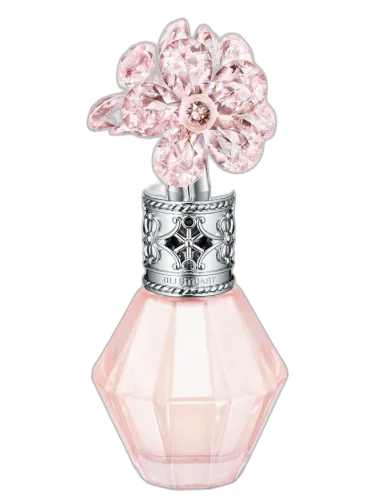
Jill Stuart
Crystal Bloom Blessed Love Jill Stuart
Shared top notes: cassis, edelweiss, lemon
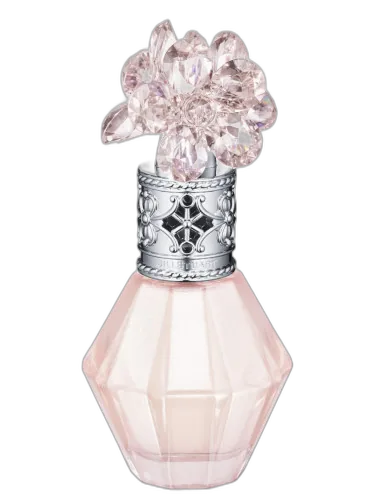
Jill Stuart
Crystal Bloom Blessed Love Hair Mist Jill Stuart
Shared top notes: cassis, edelweiss, lemon
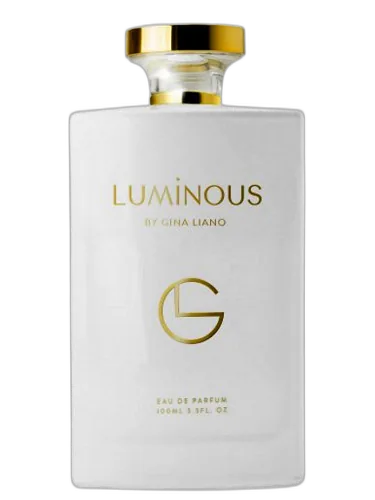
Gina Liano
Luminous Gina Liano
Shared top notes: bergamot, cassis, lemon
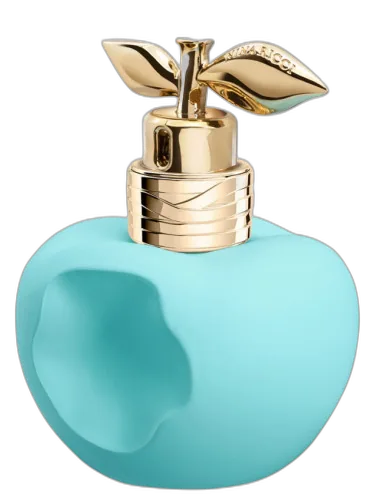
Nina Ricci
Les Sorbets De Luna Nina Ricci
Shared top notes: bergamot
Faberlic
Valkyrie Faberlic
Shared top notes: bergamot, lemon, orange