


Oat & Cornflower Jo Malone London
At a glance
Is Oat & Cornflower Jo Malone London worth trying?
Oat & Cornflower by Jo Malone London is a fragrance for women and men.
- Best match
- Casual wear in Spring
- Performance feel
- Moderate longevity with Moderate sillage
- Signature profile
- savory, nutty, woody with Oat, Hazelnut, Cornflower or Sultan seeds
The first impression
Oat & Cornflower by Jo Malone London is a fragrance for women and men. Oat & Cornflower was launched in 2018. The nose behind this fragrance is Mathilde Bijaoui.
What shapes the scent
The perfumer behind it

Mathilde Bijaoui
Mathilde Bijaoui is a perfumer known for Gris Charnel and its extrait for BDK Parfums. She has also created fragrances for Bentley, Charriol, and DSQUARED². Her work includes Exotic Musk, Infinite Celtic, and Potion Blue Cadet, often blending modern and classic elements.
Notes pyramid
All Notes
Complete scent profile
 Oat
Oat
 Hazelnut
 Cornflower or Sultan seeds
 Vetiver
The mood it creates
The Innocent Archetype: Portrait of Oat & Cornflower Jo Malone London
Essence
The person who gravitates toward Oat & Cornflower by Jo Malone London is most closely aligned with the Innocent archetype-a soul who seeks purity, simplicity, and harmony. This fragrance, with its soft, comforting blend of oat milk, powdery cornflower, and wheat, evokes an uncomplicated, pastoral serenity. The Innocent is not naive in the pejorative sense but rather embodies a deliberate return to what is gentle, wholesome, and untouched by cynicism. They are drawn to the quiet beauty of nature, the warmth of nostalgia, and the reassurance of small, meaningful rituals.
Yet, like all archetypes, the Innocent has its shadow. Their idealism can slip into escapism, their optimism into denial, and their simplicity into a reluctance to engage with life’s inevitable complexities. They may resist confrontation, preferring the safety of their carefully curated world.
Style & Aesthetic
They thrive in routines that feel like rituals-morning tea in a favorite mug, evening walks as the light fades. They prefer the countryside or quiet neighborhoods where life moves at a slower pace. Work is meaningful but never all-consuming; they value balance over ambition. If they have a career, it is likely in healing, teaching, or creative fields-something that aligns with their desire to nurture or create beauty.
Yet their shadow lurks in their resistance to challenge. They may avoid risks, even necessary ones, out of fear of disrupting their equilibrium. Growth often requires discomfort, and the Innocent must learn that not all turbulence is destructive-sometimes, it is the storm that clears the air.
Relationships
In love and friendship, they are steady, nurturing, and deeply loyal. They do not seek drama; they seek connection that feels like coming home. Their presence is calming-people confide in them because they listen without judgment, offering warmth rather than solutions. Romantic partners are drawn to their tenderness, though some may grow frustrated by their reluctance to engage in conflict. They would rather let a disagreement fade than risk harsh words.
Their shadow emerges here: their avoidance of discomfort can lead to unspoken resentments. They may smile while quietly withdrawing, leaving others to wonder what went unaddressed. Their desire for peace can become a kind of emotional passivity, a refusal to fully inhabit the messier parts of intimacy.
Conclusion
Their tastes are understated but deliberate. They prefer natural fabrics-linen, cotton, cashmere-in muted, earthy tones. Their home is an extension of this aesthetic: uncluttered, filled with soft textures, dried flowers, and well-worn books. They are drawn to art that evokes tranquility-watercolor landscapes, minimalist ceramics, the poetry of Mary Oliver. Music is often acoustic, unhurried, like the hum of a folk guitar or the slow unfurling of a piano sonata.
Philosophically, they believe in the goodness of the world, or at least in the possibility of it. They are not blind to suffering, but they choose to focus on what can be nurtured rather than what must be fought. Their values center on kindness, authenticity, and sustainability-not as trends, but as quiet commitments. They recycle not out of obligation but because waste feels like a violation of harmony.
If you like this, try these
Fragrances with a comparable profile - shared accords, notes, and character.

Wild Drops Parfums
Cornflower Wild Drops Parfums
Shared top notes: cornflower or sultan seeds
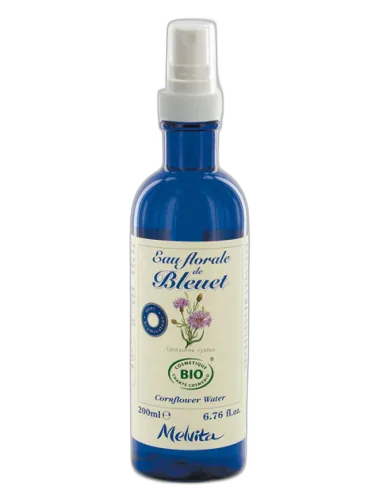
Melvita
Floral Water Cornflower Melvita
Shared top notes: cornflower or sultan seeds

Antonio Puig
Estivalia Antonio Puig
Shared top notes: vetiver
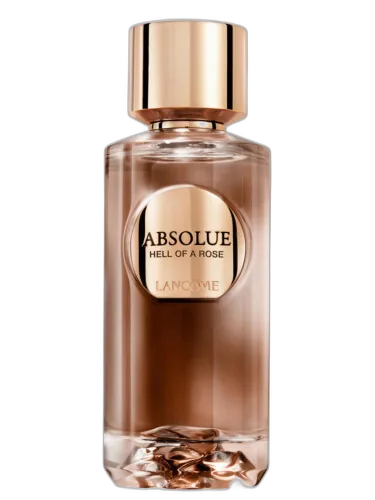
Lancôme
Absolue Hell Of A Rose Lancôme
Shared top notes: vetiver
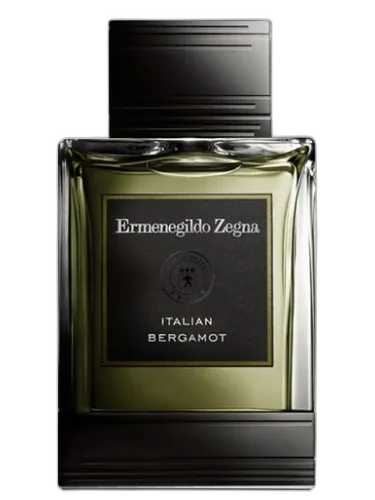
Ermenegildo Zegna
Italian Bergamot Ermenegildo Zegna
Shared top notes: vetiver