
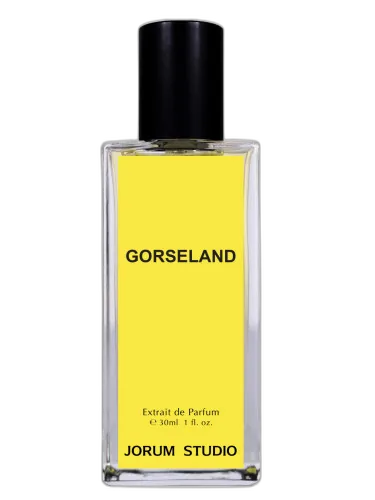

Gorseland Jorum Studio
At a glance
Is Gorseland Jorum Studio worth trying?
Gorseland by Jorum Studio is a fragrance for women and men.
- Best match
- Casual wear in Fall
- Performance feel
- Good longevity with Moderate sillage
- Signature profile
- aromatic, yellow floral, herbal with Gorse, Apple, Chamomile
The first impression
Gorseland by Jorum Studio is a fragrance for women and men. This is a new fragrance. Gorseland was launched in 2022. The nose behind this fragrance is Euan McCall. Top notes are Gorse, Apple, Chamomile, Lemon and Lavender; middle notes are Black Elder, Geranium macrorrhizum (Zdravetz) and Neroli; base note is cannabis.
What shapes the scent
The perfumer behind it

Euan McCall
Euan McCall is a perfumer with a diverse portfolio spanning Azman, BeauFort London, and Jorum Studio. His creations include Where We Used To Live, Cape Wrath, Pyroclasm, The Grudge, Arborist, Askr, Athenaeum, and Boswellia Scotia. His work often explores atmospheric, narrative-driven compositions with bold and unconventional elements.
Notes pyramid
Top Notes
First impression · 15-30 min
 Gorse
Gorse
 Apple
Apple
 Chamomile
 Lemon
Lemon
 Lavender
Heart Notes
Core character · 2-4 hours
 Black Elder
 Geranium macrorrhizum (Zdravetz)
 Neroli
Base Notes
Lasting impression · 4+ hours
 cannabis
The mood it creates
The Wanderer Archetype: Portrait of Gorseland Jorum Studio
Essence
This person is most closely aligned with the Explorer archetype-a seeker of uncharted territories, both in the external world and within themselves. The fragrance Gorseland by Jorum Studio, with its rugged, earthy, and slightly untamed character, mirrors their spirit. It is a scent of wild landscapes, damp moss, and distant horizons, evoking a soul who resists confinement, whether by convention or expectation.
The Explorer thrives on autonomy, curiosity, and the thrill of the unknown. They are not content with well-trodden paths; they crave the raw, the unrefined, the places where few dare to venture. Yet, like all archetypes, the Explorer has a shadow-restlessness that can become rootlessness, independence that borders on isolation, and an insatiable hunger that may never be satisfied.
Style & Aesthetic
Their style is a paradox-both refined and wild. They favor garments that suggest movement and durability: well-worn leather, linen that wrinkles with character, boots meant for long journeys. Their home, if they stay in one place long enough, is filled with artifacts of their travels-a dried sprig of heather, a rough-hewn wooden bowl, a book of poetry with dog-eared pages.
They are drawn to music that feels expansive-folk ballads with haunting melodies, ambient soundscapes that mimic wind over open moors. Their taste in literature leans toward the introspective and the mythic-Nietzsche’s Thus Spoke Zarathustra, Nan Shepherd’s The Living Mountain, the poetry of Rainer Maria Rilke. They do not consume art passively; they seek it as a companion for their inner journey.
They are not perpetual nomads, though they may appear so at times. They move in cycles-periods of restless exploration followed by deep retreats into solitude. They may live in a city for years, but their spirit remains tethered to wilder places. When they can, they escape to the moors, the forests, the coastlines where the air is sharp and untamed.
Work is a means to sustain their freedom. They are drawn to professions that allow autonomy-writers, artists, researchers, or trades that keep them outdoors. Routine suffocates them, but they are not lazy; they simply refuse to labor without purpose.
Philosophy & Values
Freedom is their highest ideal, but not in the shallow sense of mere rebellion. Their freedom is a disciplined one-a conscious refusal to be bound by societal scripts. They believe in self-reliance but not in isolation; they understand that true independence requires deep self-knowledge.
They value authenticity above all else. Pretense disgusts them, and they have little patience for small talk or social niceties that lack substance. Their relationships are few but intense, built on mutual respect for depth and honesty. They are not afraid of solitude-in fact, they require it-but they are not hermits. They recognize that even the most solitary wanderer must occasionally return to the warmth of human connection.
Relationships
They do not collect friends; they cultivate them slowly, like rare plants in harsh soil. Their closest companions are those who understand their need for space, who do not mistake their silences for indifference. Romantic partners must be equally self-contained-someone who does not cling but walks beside them, sharing the journey without demanding possession.
Yet, their shadow emerges here. Their fear of stagnation can make commitment difficult. They may leave before they are left, mistaking permanence for prison. Their independence, while noble, can become a shield against vulnerability.
Shadow
Their greatest strength-their refusal to be confined-can become their greatest weakness. The constant search for the next horizon can leave them perpetually dissatisfied, always believing that fulfillment lies just beyond the next ridge. They may struggle with deep-rooted loneliness, even as they pride themselves on self-sufficiency.
At their worst, they become the Wanderer Who Never Arrives-always moving but never present, mistaking motion for meaning. They must learn that true exploration includes the courage to stop, to be still, to let the world come to them.
Conclusion
The lover of Gorseland is a soul in dialogue with the wild-both outside and within. They are not reckless, but they are unafraid of the untamed edges of existence. Their life is a testament to the belief that one must sometimes lose oneself to be found.
Yet, the challenge remains: to wander without fleeing, to seek without forgetting that the greatest discoveries often lie not in distant lands, but in the depths of one’s own being.
If you like this, try these
Fragrances with a comparable profile - shared accords, notes, and character.

Givenchy
Eau Torride Givenchy
Shared top notes: lemon

Yohji Yamamoto
Yohji Senses Yohji Yamamoto
Shared top notes: lemon
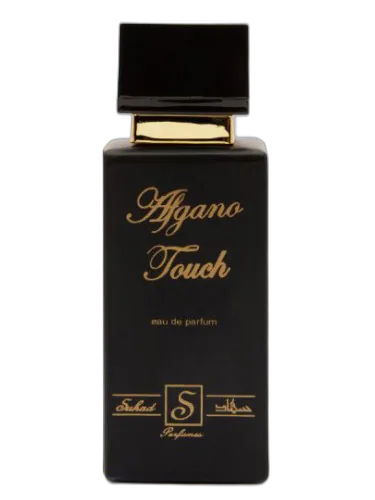
Suhad Perfumes
Afgano Touch Suhad Perfumes
Shared base notes: cannabis

Pascal Morabito
Sea Of Stars Pascal Morabito
Shared top notes: apple, lavender
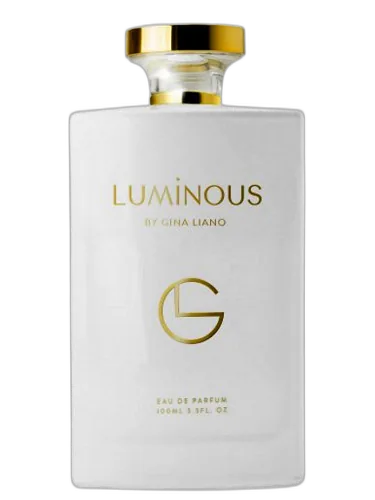
Gina Liano
Luminous Gina Liano
Shared top notes: apple, lemon