
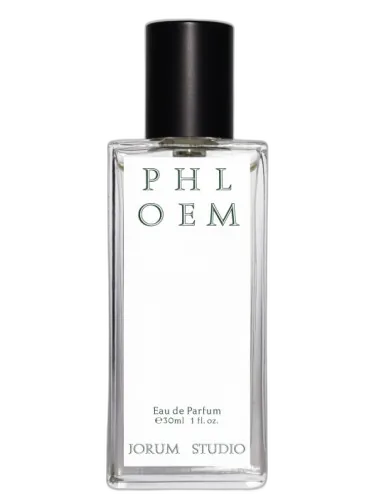

Phloem Jorum Studio
At a glance
Is Phloem Jorum Studio worth trying?
Phloem by Jorum Studio is a fragrance for women and men.
- Best match
- Any wear in Any
- Performance feel
- Unknown longevity with Unknown sillage
- Signature profile
- fruity, floral, aromatic with mulberry, Oysters, Sesame
The first impression
Phloem by Jorum Studio is a fragrance for women and men. Phloem was launched in 2019. The nose behind this fragrance is Euan McCall.
What shapes the scent
The perfumer behind it

Euan McCall
Euan McCall is a perfumer with a diverse portfolio spanning Azman, BeauFort London, and Jorum Studio. His creations include Where We Used To Live, Cape Wrath, Pyroclasm, The Grudge, Arborist, Askr, Athenaeum, and Boswellia Scotia. His work often explores atmospheric, narrative-driven compositions with bold and unconventional elements.
Notes pyramid
All Notes
Complete scent profile
 mulberry
 Oysters
 Sesame
 Ambrette (Musk Mallow)
 Blueberry
 Rhubarb
 Passionfruit
 Nasturtium
 Camellia
 Amyris
 Tonka Bean
 Meadowsweet
 Honeysuckle
The mood it creates
The Alchemist Archetype: Portrait of Phloem Jorum Studio
Essence
The person who gravitates toward Phloem Jorum Studio is an Alchemist-one who seeks transformation, not just in the external world, but within the self. Like the alchemists of old, they are drawn to the interplay of raw materials and refined beauty, the tension between earth and ether. Their fragrance choice-unconventional, layered, and evocative-mirrors their psyche: a blend of the organic and the arcane.
They are not content with the obvious. They crave depth, nuance, and the thrill of discovery. The Alchemist is both scientist and mystic, forever distilling experience into meaning.
Shadow
Their greatest strength is their ability to see potential-in people, in ideas, in the discarded and overlooked. They are the ones who can take fragments and forge them into something extraordinary. They thrive in liminal spaces, where most would feel unmoored.
Yet their shadow looms when their quest for transformation becomes obsession. They may grow impatient with those who do not share their vision, dismissing them as unenlightened. Their pursuit of the profound can tip into pretension, their love of the esoteric into elitism. At their worst, they become the Hermit-isolated, disillusioned, lost in their own labyrinth of thought.
Conclusion
Their tastes are deliberate, almost ritualistic. They prefer objects with history-handmade ceramics, well-worn leather journals, textiles that whisper of distant lands. Their wardrobe leans toward textures rather than trends: raw linen, wool softened by time, the occasional glint of oxidized silver. They do not dress to impress but to express-each piece a fragment of a larger narrative.
Philosophy is not an abstract exercise for them; it is lived. They might find solace in Stoicism’s discipline, Jung’s shadow work, or the Taoist embrace of flow. Yet they resist dogma, preferring to synthesize ideas into something uniquely their own. Their values center on authenticity, craftsmanship, and the slow unfurling of wisdom.
Relationships are deep but few. They do not suffer superficiality gladly. Their closest bonds are with those who share their hunger for exploration-whether through art, travel, or late-night conversations that spiral into the metaphysical. They are not always easy to love; their intensity can be overwhelming, their standards exacting. But for those who earn their trust, they offer fierce loyalty and piercing insight.
If you like this, try these
Fragrances with a comparable profile - shared accords, notes, and character.
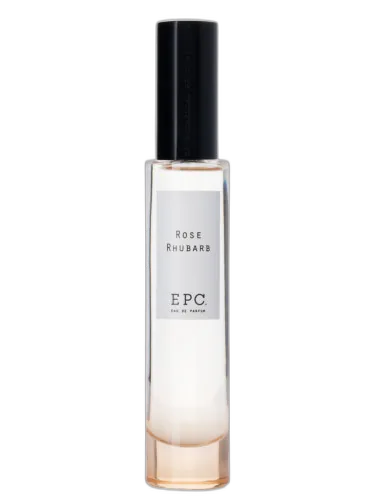
EPC Experimental Perfume Club
Rose Rhubarb Epc Experimental Perfume Club
Shared top notes: rhubarb
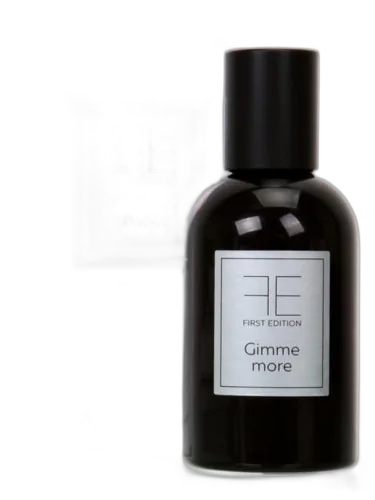
First Edition
Gimme More First Edition
Shared top notes: rhubarb
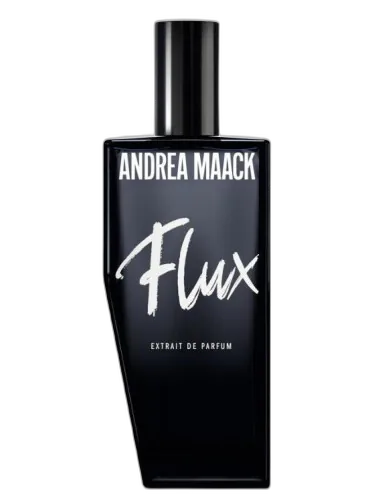
Andrea Maack
Flux Andrea Maack
Shared top notes: blueberry
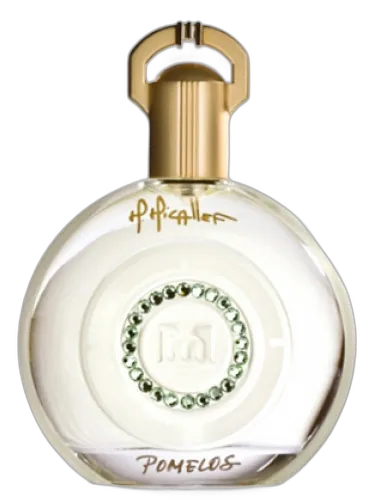
M. Micallef
Pomelos No 21 M. Micallef
Shared top notes: rhubarb
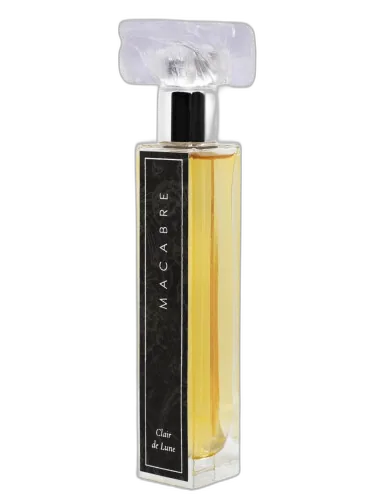
Macabre Parfums
Clair De Lune Macabre Parfums
Shared accords: aromatic, floral, fresh