
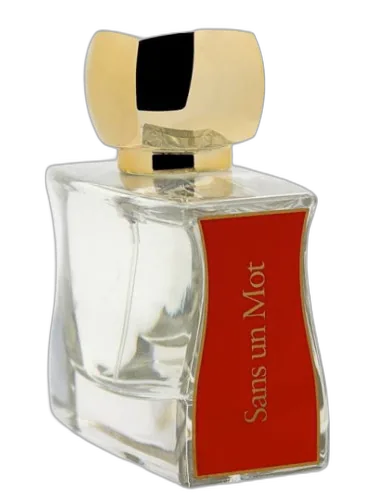

Sans Un Mot Jovoy Paris
At a glance
Is Sans Un Mot Jovoy Paris worth trying?
Sans un Mot by Jovoy Paris is a Floral Woody Musk fragrance for women.
- Best match
- Evening wear in Fall
- Performance feel
- Very Good longevity with Moderate sillage
- Signature profile
- powdery, violet, woody with Pink Pepper, Mandarin Orange, Rose
The first impression
Sans un Mot by Jovoy Paris is a Floral Woody Musk fragrance for women. Sans un Mot was launched in 2015. The nose behind this fragrance is Anne-Sophie Behaghel. Top notes are Pink Pepper and Mandarin Orange; middle notes are Rose, Violet, Black Currant, Iris, Ylang-Ylang and Vanilla; base notes are White Musk and Woody Notes.
What shapes the scent
The perfumer behind it

Anne-Sophie Behaghel
Anne-Sophie Behaghel is a French perfumer known for her work with independent and niche fragrance houses. Her style often blends natural and synthetic elements to create bold, textural compositions with a modern edge. She has created distinctive scents for Adi Ale Van, including the floral-powdery Hai Hui Flower Power and the earthy Mioritic, as well as the mineral-driven Sel d'Argent for BDK Parfums. Her work continues to push boundaries in contemporary perfumery.
Notes pyramid
Top Notes
First impression · 15-30 min
 Pink Pepper
 Mandarin Orange
Heart Notes
Core character · 2-4 hours
 Rose
Rose
 Violet
 Black Currant
 Iris
Iris
 Ylang-Ylang
 Vanilla
Base Notes
Lasting impression · 4+ hours
 White Musk
 Woody Notes
The mood it creates
The Sage Archetype: Portrait of Sans Un Mot Jovoy Paris
Essence
The one who wears Sans Un Mot is, above all, a seeker of wisdom. The fragrance itself-dark, introspective, layered with oud, rose, and musk-speaks of depth, restraint, and quiet power. This person embodies The Sage, the archetype of the thinker, the observer, the one who values knowledge over noise. They are not the loudest in the room, but their presence lingers, like the scent they carry-unspoken yet undeniable.
Shadow
Yet the Sage is not without flaws. Their love of silence can become withdrawal; their discernment can harden into judgment. They may mistake their own insights for absolute truth, dismissing others as shallow or unworthy of their time. There is a danger in believing one has seen too deeply-it breeds a quiet disdain for those who live more lightly.
Their relationships may suffer from emotional distance. They are slow to trust, slower to reveal vulnerability. They might rationalize loneliness as independence, but beneath the composed exterior, there is a hunger for connection they rarely admit.
Conclusion
Their world is one of measured elegance, where every choice is deliberate. They prefer the weight of a well-bound book to the flicker of a screen, the hush of a library to the clamor of a party. Their tastes lean toward the timeless-dark tailored coats, minimalist jewelry, the kind of art that demands interpretation. They do not chase trends; they curate.
Philosophy is not an abstract interest for them-it is a lens through which they live. Stoicism appeals to their sense of discipline, existentialism to their embrace of solitude. They believe in the power of silence, in the spaces between words where truth often resides. Their values are rooted in authenticity; they despise pretense, though they themselves may occasionally fall into the trap of intellectual arrogance.
If you like this, try these
Fragrances with a comparable profile - shared accords, notes, and character.
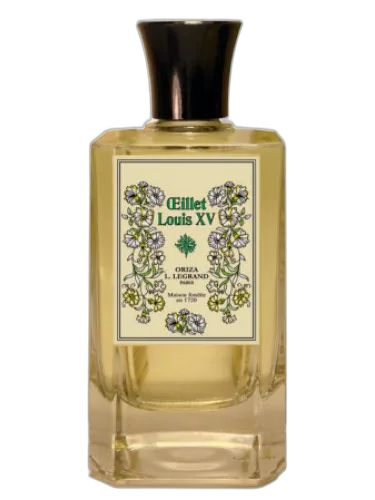
Oriza L. Legrand
Oeillet Louis Xv Oriza L. Legrand
Shared top notes: mandarin orange, pink pepper

Carolina Herrera
212 Vip Rosé Carolina Herrera
Shared top notes: pink pepper
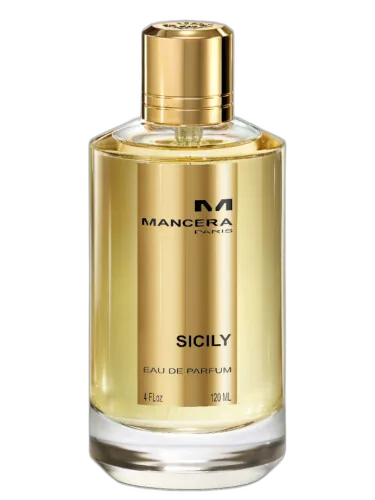
Mancera
Sicily Mancera
Shared top notes: mandarin orange
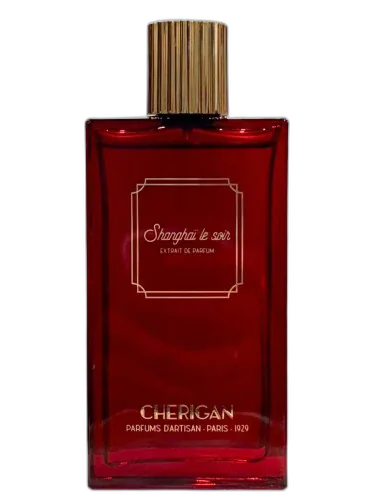
Cherigan
Shanghai Le Soir Cherigan
Shared top notes: pink pepper

M. Micallef
Floral No 11 M. Micallef
Shared heart notes: rose