


Walk On Air Kate Spade
At a glance
Is Walk On Air Kate Spade worth trying?
Walk On Air by Kate Spade is a Floral fragrance for women.
- Best match
- Casual wear in Spring
- Performance feel
- Moderate longevity with Moderate sillage
- Signature profile
- white floral, floral, green with Lime (Linden Blossom), Fern, Bergamot
The first impression
Walk On Air by Kate Spade is a Floral fragrance for women. Walk On Air was launched in 2015. The nose behind this fragrance is Rodrigo Flores-Roux. Top notes are Lime (Linden Blossom), Fern, Bergamot, Solomon's Seal and Neroli; middle notes are Lily-of-the-Valley, Magnolia, Narcissus and Egyptian Jasmine; base notes are Violet Leaf, White Iris and Crinum lily.
What shapes the scent
The perfumer behind it

Rodrigo Flores-Roux
Rodrigo Flores-Roux is a perfumer who has contributed to a wide range of fragrance houses including 27 87, Aedes de Venustas, Aether, Alford & Hoff, Anine Bing, and Arquiste. His notable works include Hakuna Matata, Oeillet Bengale, Methaldone, Suprae, and A Grove By The Sea. Flores-Roux is recognized for his versatile and creative approach to scent.
Notes pyramid
Top Notes
First impression · 15-30 min
 Lime (Linden Blossom)
 Fern
Fern
 Bergamot
 Solomon's Seal
 Neroli
Heart Notes
Core character · 2-4 hours
 Lily-of-the-Valley
 Magnolia
 Narcissus
Egyptian Jasmine
Narcissus
Egyptian Jasmine
Base Notes
Lasting impression · 4+ hours
 Violet Leaf
White Iris
Violet Leaf
White Iris
 Crinum lily
The mood it creates
The Walk On Air Kate Spade Dev Archetype: Portrait of Walk On Air Kate Spade
Essence
The person who adores Walk On Air by Kate Spade is most closely aligned with The Innocent archetype-a figure of optimism, lightness, and an unshakable belief in beauty. Like the fragrance itself-fresh, floral, and effortlessly uplifting-they embody a spirit that seeks purity and joy in life. The Innocent is not naive by necessity, but by choice; they cultivate hope as a philosophy, a shield against the world’s harsher edges.
Yet, as with all archetypes, The Innocent has its shadow. Their refusal to dwell in darkness can sometimes render them blind to complexity, and their buoyancy may mask an underlying fear of confronting life’s inevitable sorrows.
Style & Aesthetic
This person moves through life with an airy grace, as if the weight of the world cannot quite settle upon them. Their surroundings reflect this-spaces filled with soft pastels, clean lines, and natural light. They prefer open rooms with large windows, fresh flowers, and uncluttered surfaces. Their wardrobe leans toward effortless elegance: crisp white blouses, flowing skirts, delicate jewelry. They are drawn to things that feel alive-the scent of rain on pavement, the first blooms of spring, the way sunlight filters through leaves.
Their taste in art, music, and literature mirrors this sensibility. They love impressionist paintings for their play of light, novels with poetic prose, and music that feels expansive-perhaps a Chopin nocturne or the dreamy melodies of Cocteau Twins. They are not opposed to depth, but they seek it in forms that do not disturb their inner equilibrium.
Philosophy & Values
For them, happiness is not an accident but a discipline. They believe in the power of positive thinking, in the idea that one can-and should-cultivate delight. They are drawn to philosophies that emphasize mindfulness, gratitude, and the beauty of small moments. Stoicism’s focus on controlling one’s perceptions appeals to them, though they soften its austerity with a more romantic sensibility.
Their values are rooted in kindness, harmony, and authenticity. They dislike conflict, not out of cowardice, but because they see discord as a failure of imagination-a sign that people have stopped trying to understand one another. They believe in the essential goodness of people, though this belief is sometimes tested.
Relationships
In love and friendship, they are warm, attentive, and effortlessly charming. They have a way of making others feel seen, not through probing questions, but through a quiet, radiant presence. People are drawn to them because they exude a sense of safety-an unspoken promise that, in their company, the world will feel a little softer.
Yet their relationships are not without challenges. Their aversion to heaviness can make them retreat from emotional intensity, leaving deeper bonds unformed. Partners may sometimes feel that their optimism is a barrier-that beneath their lightness lies an unwillingness to grapple with the messier aspects of intimacy.
Shadow
The greatest weakness of The Innocent is their reluctance to face the darker dimensions of existence. Their insistence on positivity can, at times, become a form of avoidance. When grief or anger arises, they may suppress it, fearing that acknowledging pain will tarnish their carefully curated world.
This repression can manifest in subtle ways-a tendency to gloss over problems, a habit of reframing every hardship as a "lesson," or an unconscious expectation that others should conform to their sunny disposition. In extreme cases, they may grow frustrated with those who dwell in melancholy, seeing them as needlessly dramatic rather than authentically struggling.
Conclusion
Walk On Air is more than a scent to them-it is an extension of their essence. Its notes of sparkling citrus, watery greens, and soft florals mirror their spirit: bright, unburdened, and forever reaching toward the sky.
But even the clearest skies must sometimes yield to storms. The challenge for this person is not to abandon their lightness, but to integrate it with the full spectrum of human experience-to learn that true joy is not the absence of darkness, but the courage to embrace both.
If you like this, try these
Fragrances with a comparable profile - shared accords, notes, and character.

O Boticário
My Lily O Boticário
Shared top notes: bergamot

Nomaterra
East Hampton Atlantic White Cedar Nomaterra
Shared top notes: bergamot
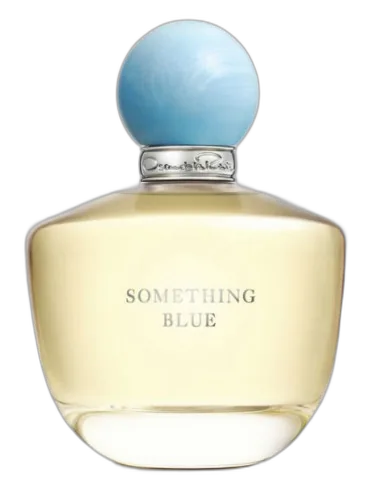
Oscar de la Renta
Something Blue Oscar De La Renta
Shared top notes: bergamot, neroli
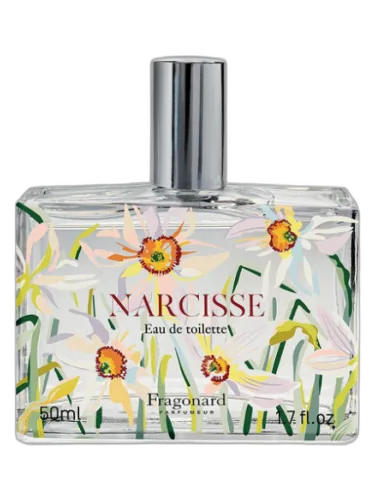
Fragonard
Narcisse Fragonard
Shared top notes: bergamot
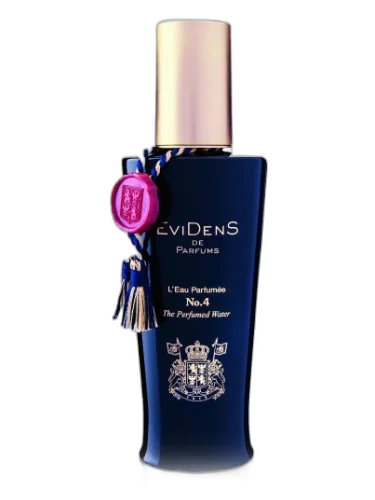
Evidens de Beaute
L'eau Parfumée No. 4 Marie A. Evidens De Beaute
Shared top notes: bergamot, neroli