
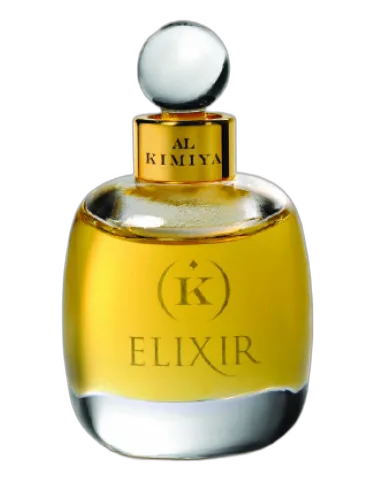
Elixir Kemi Blending Magic
At a glance
Is Elixir Kemi Blending Magic worth trying?
Elixir by Kemi Blending Magic is a Oriental Woody fragrance for women and men.
- Best match
- Evening wear in Fall
- Performance feel
- Excellent longevity with Strong sillage
- Signature profile
- amber, woody, oud with Floral Notes, Copahu Balm, Juniper Berries
The first impression
Elixir by Kemi Blending Magic is a Oriental Woody fragrance for women and men. Elixir was launched in 2014. The nose behind this fragrance is Chris Maurice. Top notes are Floral Notes and Copahu Balm; middle notes are Juniper Berries, Labdanum and Cypriol Oil or Nagarmotha; base notes are Agarwood (Oud), Gurjan balsam, Amber and Labdanum.
What shapes the scent
The perfumer behind it

Chris Maurice
Chris Maurice is a perfumer with a wide-ranging portfolio that includes work for Aqualis, Artal Perfumes, Assaf, Astrophil & Stella, Azman, and Bey Parfum. His creations include Egoli, Forbidden Rose, Darley, Love Is Lost, Moonage Daydream, Riad Jasmine, Song For A Wanderer, and Abyssoria. His style varies from floral and romantic to dark and mysterious.
Notes pyramid
Top Notes
First impression · 15-30 min
 Floral Notes
 Copahu Balm
Heart Notes
Core character · 2-4 hours
 Juniper Berries
 Labdanum
 Cypriol Oil or Nagarmotha
Base Notes
Lasting impression · 4+ hours
 Agarwood (Oud)
Gurjan balsam
Agarwood (Oud)
Gurjan balsam
 Amber
Labdanum
Amber
Labdanum
The mood it creates
The Alchemist Archetype: Portrait of Elixir Kemi Blending Magic
Essence
To wear Elixir Kemi Blending Magic is to embrace transformation-not as a fleeting whim, but as a lifelong devotion. This fragrance, with its mystical blend of resins, spices, and ethereal florals, is not for those who seek mere adornment. It is for the seeker, the experimenter, the one who views life as an ever-unfolding ritual. The person who favors this scent is, above all, an Alchemist-an archetype defined by the pursuit of transmutation, whether of substances, ideas, or the self.
The Alchemist is drawn to the hidden, the symbolic, the layers beneath the surface. They are not content with the obvious; they crave the esoteric, the rare, the things that must be deciphered. Their philosophy is one of perpetual refinement-they believe in the possibility of turning base experiences into gold through introspection, study, and experimentation.
Their tastes are eclectic but deliberate. They may collect antique books on mysticism, rare perfumes, or oddities from distant cultures. Their style is a fusion of the timeless and the unconventional-perhaps tailored vintage with an unexpected twist, like an heirloom pendant strung with a modern talisman. They are drawn to textures that evoke depth: velvet, aged leather, oxidized metals.
In relationships, they are magnetic but not always easy. They seek connections that challenge them, that feel like a meeting of minds rather than mere companionship. They are the confidant who listens intently, the lover who whispers poetry in the dark, the friend who gifts you a tincture they crafted themselves. Yet they can be elusive, retreating into solitude when the world feels too mundane.
Shadow
Yet every alchemical process carries the risk of corrosion. The Alchemist’s relentless pursuit of transformation can tip into obsession. They may become so fixated on perfecting their craft-or their self-that they lose sight of the present. Their quest for deeper meaning can make ordinary life feel intolerably dull, leading to restlessness or dissatisfaction.
Their independence, while admirable, can harden into isolation. They may withdraw when others fail to meet their intellectual or spiritual standards, leaving relationships to wither. At their worst, they become lost in their own labyrinth of symbols, mistaking abstraction for wisdom.
Conclusion
The Alchemist’s greatest strength is their ability to see potential where others see only raw material. They are the ones who take fragments of thought, emotion, and experience and weave them into something greater. They are often autodidacts, mastering obscure skills not for accolades but for the sheer thrill of understanding.
Their values revolve around authenticity and transformation. They despise stagnation, both in themselves and in society. They may be drawn to causes that promise renewal-whether spiritual, artistic, or ecological. They believe in the power of symbols, rituals, and the unseen forces that shape reality.
Their lifestyle is one of controlled chaos. Their home might be a sanctuary of curiosities: dried botanicals in glass jars, handwritten notes tucked into books, a workspace where projects are always in flux. They thrive in environments that allow for both solitude and bursts of creative collaboration.
If you like this, try these
Fragrances with a comparable profile - shared accords, notes, and character.
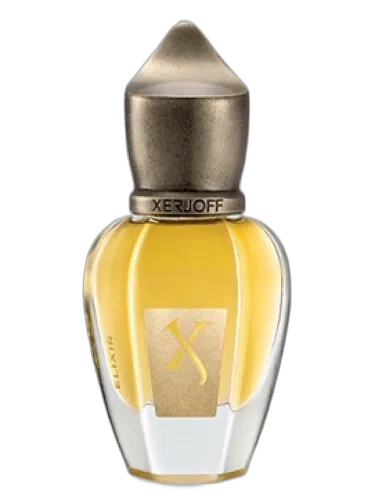
Xerjoff
Elixir Attar Xerjoff
Shared top notes: copahu balm
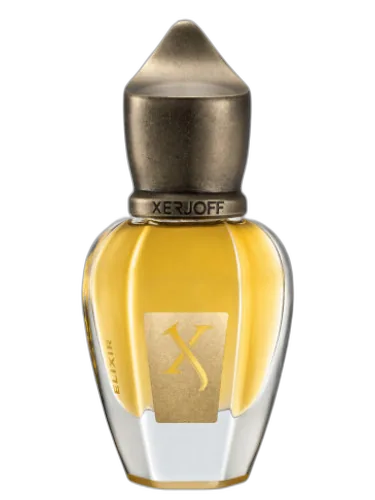
Xerjoff
Elixir Perfume Extrait Xerjoff
Shared heart notes: cypriol oil or nagarmotha, labdanum

Omanluxury
Dejan Omanluxury
Shared heart notes: cypriol oil or nagarmotha, labdanum
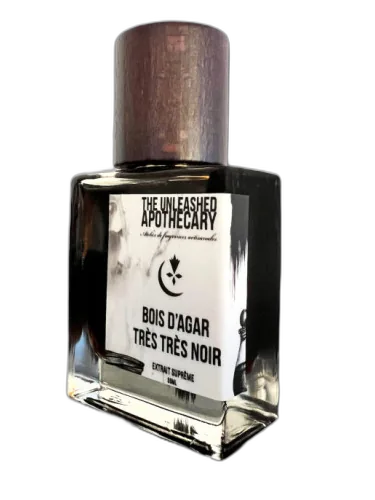
The Unleashed Apothecary
Bois D'agar Très Très Noir The Unleashed Apothecary
Shared heart notes: cypriol oil or nagarmotha
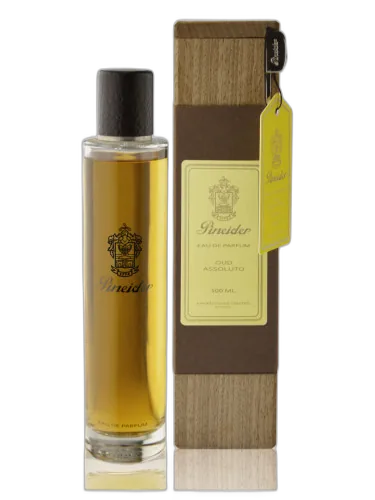
Pineider
Oud Assoluto Pineider
Shared base notes: agarwood (oud), amber, labdanum