


Flower By Kenzo Spring Fragrance Kenzo
At a glance
Is Flower By Kenzo Spring Fragrance Kenzo worth trying?
Flower by Kenzo Spring Fragrance by Kenzo is a Floral fragrance for women.
- Best match
- Casual wear in Spring
- Performance feel
- Good longevity with Moderate sillage
- Signature profile
- floral, powdery, violet with Violet, Freesia, Litchi
The first impression
Flower by Kenzo Spring Fragrance by Kenzo is a Floral fragrance for women. Flower by Kenzo Spring Fragrance was launched in 2009. The nose behind this fragrance is Alberto Morillas.
What shapes the scent
The perfumer behind it

Alberto Morillas
Alberto Morillas is a master perfumer based in Geneva, Switzerland, and a longtime collaborator with Firmenich. His style is known for refined, luminous compositions that balance natural elegance with modern clarity. He created the bold leather and spice of Amouage Opus VII - Reckless Leather, the fresh citrus depth of Acqua di Parma Colonia Intensa, and the woody warmth of Aedes de Venustas Palissandre D'or. His work has shaped contemporary perfumery across both niche and luxury houses.
Notes pyramid
All Notes
Complete scent profile
 Violet
 Freesia
 Litchi
 Musk
Musk
 Mandarin Orange
 Ginger
The mood it creates
The Innocent Archetype: Portrait of Flower By Kenzo Spring Fragrance Kenzo
Essence
Archetype: The Innocent
The person who cherishes Flower by Kenzo Spring Fragrance is one who seeks purity in a world often stained by cynicism. Their soul is drawn to the scent’s delicate blend of rose, violet, and powdery vanilla-notes that evoke a garden untouched by time. They are, at their core, an embodiment of The Innocent, an archetype defined by optimism, simplicity, and an unshakable belief in goodness. Yet, like all archetypes, The Innocent has its shadow-naivety, fragility, and a tendency to retreat from harsh realities.
Relationships
In love and friendship, they are the one who remembers birthdays with handwritten notes, who listens without judgment, who offers warmth without expectation. They attract others with their sincerity, but they also risk being taken advantage of-their trust is given freely, sometimes to those who do not deserve it. Their relationships thrive in environments of mutual care, but they may struggle in the face of betrayal, for disillusionment cuts them deeper than most.
Romantically, they seek a partner who shares their reverence for beauty-not in the superficial sense, but in the way a shared silence can feel like poetry. They are not drawn to grand gestures but to the quiet intimacy of intertwined fingers at dawn. However, their idealism can blind them to red flags; they may stay too long in relationships that demand too much of their gentleness.
Shadow
The greatest weakness of The Innocent is their reluctance to face life’s darker truths. When confronted with cruelty or injustice, their first instinct is not to fight but to withdraw, seeking refuge in their carefully curated world of beauty. This avoidance can make them passive in moments that demand action. Their optimism, while a strength, can also render them fragile-when reality shatters their ideals, they may spiral into disillusionment or even a quiet despair they refuse to name.
They may also struggle with self-assertion, fearing that too much boldness will disrupt the harmony they cherish. This can lead to suppressed frustrations, moments where they swallow their needs to keep the peace. Over time, this suppression may manifest as sudden, unexpected outbursts-rare but intense-revealing the depth of emotions they usually keep veiled.
Conclusion
Their world is one of gentle aesthetics-soft fabrics, pastel hues, and spaces filled with natural light. They prefer the quiet elegance of a sunlit café to the clamor of a crowded bar, the whisper of pages turning in a book to the blare of digital noise. Their taste in art leans toward impressionism, where colors blend like dreams, and in music, they favor melodies that evoke nostalgia without sorrow-perhaps the tender compositions of Erik Satie or the airy vocals of Cocteau Twins.
Philosophically, they believe in kindness as a guiding principle, often to the point of idealism. They see the world as something that should be fair, beautiful, and harmonious, even when evidence suggests otherwise. This is not ignorance but a deliberate choice-a refusal to let bitterness take root. Their values revolve around sincerity, tenderness, and the preservation of wonder.
If you like this, try these
Fragrances with a comparable profile - shared accords, notes, and character.
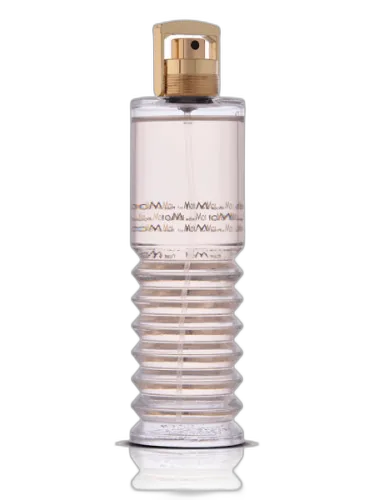
PourMoi
Desire Pourmoi
Shared top notes: litchi, mandarin orange, violet
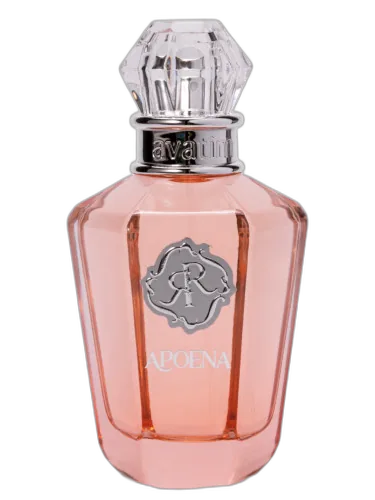
Avatim
Apoena Avatim
Shared top notes: freesia, litchi, mandarin orange
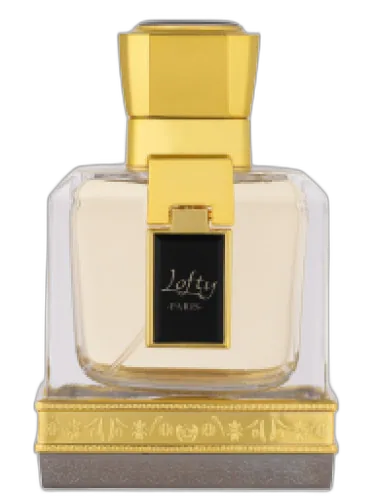
MAIOS
Lofty Maios
Shared top notes: mandarin orange, violet
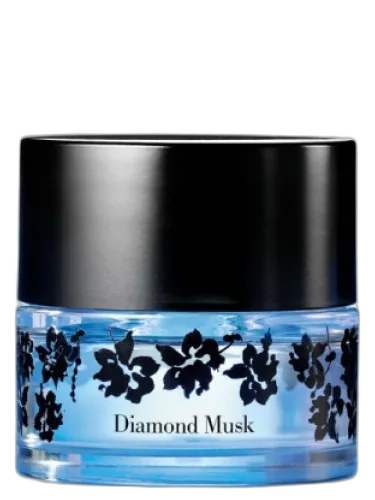
Oriflame
Diamond Musk Oriflame
Shared top notes: freesia, mandarin orange, violet

Kenzo
Flower By Kenzo Summer 2011 Kenzo
Shared top notes: ginger, litchi, mandarin orange