
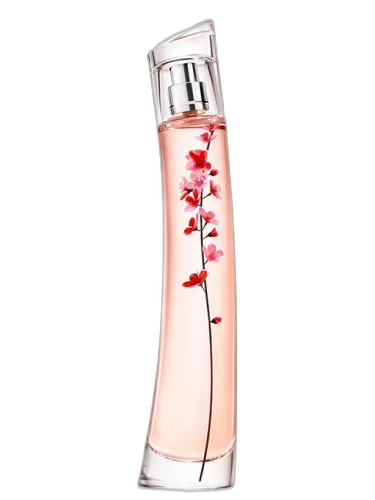

Flower Ikebana Sakura Kenzo
At a glance
Is Flower Ikebana Sakura Kenzo worth trying?
Flower Ikebana Sakura by Kenzo is a Floral fragrance for women.
- Best match
- Casual wear in Spring
- Performance feel
- Good longevity with Moderate sillage
- Signature profile
- woody, tuberose, floral with Buckwheat Tea, Indian Tuberose, Cherry Blossom
The first impression
Flower Ikebana Sakura by Kenzo is a Floral fragrance for women. This is a new fragrance. Flower Ikebana Sakura was launched in 2023. Flower Ikebana Sakura was created by Alberto Morillas and Alexandra Monet. Top note is Buckwheat Tea; middle notes are Indian Tuberose and Cherry Blossom; base notes are Australian Sandalwood, Cedar and Vetiver.
What shapes the scent
The perfumer behind it

Alberto Morillas
Alberto Morillas is a master perfumer based in Geneva, Switzerland, and a longtime collaborator with Firmenich. His style is known for refined, luminous compositions that balance natural elegance with modern clarity. He created the bold leather and spice of Amouage Opus VII - Reckless Leather, the fresh citrus depth of Acqua di Parma Colonia Intensa, and the woody warmth of Aedes de Venustas Palissandre D'or. His work has shaped contemporary perfumery across both niche and luxury houses.
Notes pyramid
Top Notes
First impression · 15-30 min
 Buckwheat Tea
Heart Notes
Core character · 2-4 hours
 Indian Tuberose
 Cherry Blossom
Base Notes
Lasting impression · 4+ hours
 Australian Sandalwood
 Cedar
Cedar
 Vetiver
The mood it creates
The Lover Archetype: Portrait of Flower Ikebana Sakura Kenzo
Essence
This person is defined by The Lover archetype-a soul drawn to beauty, sensuality, and emotional depth. They do not merely wear Flower Ikebana Sakura Kenzo; they embody it. The fragrance, with its delicate cherry blossom notes, powdery softness, and subtle green freshness, mirrors their essence: ephemeral yet enduring, tender yet structured. Like the Japanese art of ikebana, they arrange their life with intention, seeking harmony between passion and restraint.
They are not ruled by raw desire, but by a refined appreciation for the aesthetics of existence. Their love is not possessive but reverent-they cherish moments, sensations, and connections as fleeting as sakura petals on the wind.
Style & Aesthetic
Their world is one of curated elegance. They favor clean lines, muted pastels, and natural textures-linen, silk, unpolished wood. Their home is not cluttered but thoughtfully adorned: a single sprig of cherry blossoms in a slender vase, a well-worn book of poetry left open on a side table. They appreciate the Japanese concept of wabi-sabi-finding beauty in imperfection, transience.
In art, they are drawn to impressionism and haiku, forms that capture the essence of a moment rather than exhaust it. Music is an intimate affair-perhaps Satie’s Gymnopédies or the whisper of a koto. They do not seek grandeur, but resonance.
Their days are marked by ritual-not rigid routine, but deliberate rhythms. Morning tea is sipped slowly, not out of laziness but presence. They walk rather than rush, noticing the way light filters through leaves. Work is not a means to an end but an extension of their values-perhaps they are a florist, a poet, a curator, or simply someone who brings grace to mundane tasks.
Yet their pursuit of beauty can become escapism. When life’s demands grow too coarse, they may withdraw into a world of their own making, avoiding conflict at the cost of growth. The shadow of The Lover is not malice but avoidance-a refusal to engage with the ugly, the unresolved.
Philosophy & Values
For them, life is an act of devotion-not to a god, but to experience itself. They believe in the sacredness of small things: the warmth of sunlight through a window, the brush of a hand against theirs, the scent of rain on pavement. They are not naive romantics but quiet hedonists, aware that pleasure is fleeting and thus more precious.
Their morality is not rigid but fluid, guided by empathy rather than dogma. They reject cruelty, not out of moral superiority, but because it offends their sense of harmony. Yet this very sensitivity makes them vulnerable-they can be wounded by the world’s harshness, retreating into aesthetic detachment when reality becomes too abrasive.
Relationships
They love deeply but selectively. Their relationships are not numerous but intense, built on mutual appreciation rather than obligation. They are not possessive lovers; they understand that love, like fragrance, cannot be clutched too tightly without losing its essence.
Yet herein lies their shadow: their reverence for beauty can make them passive. They may linger too long in relationships that are aesthetically pleasing but emotionally hollow, mistaking the appearance of harmony for its substance. At their worst, they become spectators of their own lives, more in love with the idea of love than its messy reality.
Shadow
Their greatest strength is their ability to find joy in the ephemeral, to elevate the ordinary into the sublime. But their flaw is their reluctance to face what cannot be beautified. They must learn that true harmony includes dissonance-that a life well-lived is not only composed of cherry blossoms but also of storms.
In the end, they are not merely admirers of beauty but its cultivators. And like the fragrance they love, they leave a trace of something delicate yet unforgettable in their wake.
If you like this, try these
Fragrances with a comparable profile - shared accords, notes, and character.
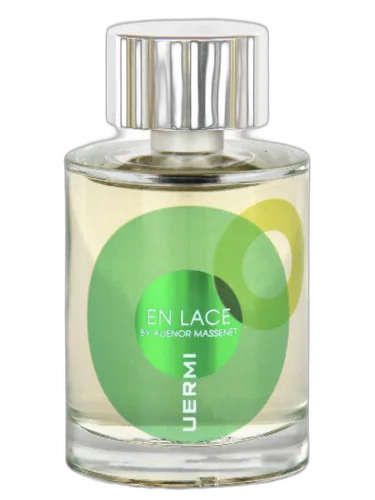
UERMI
En Lace Uermi
Shared base notes: cedar, vetiver
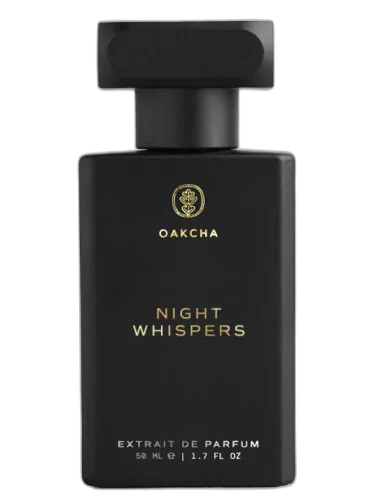
Oakcha
Night Whispers Oakcha
Shared base notes: cedar, vetiver
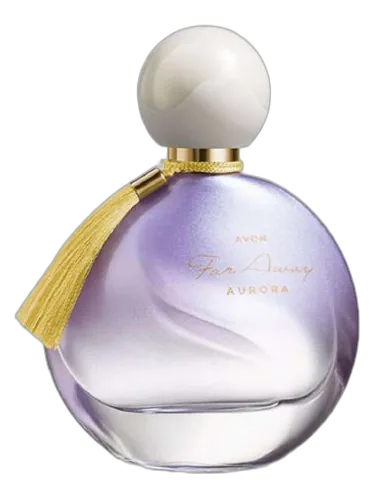
Avon
Far Away Aurora Avon
Shared base notes: cedar, vetiver
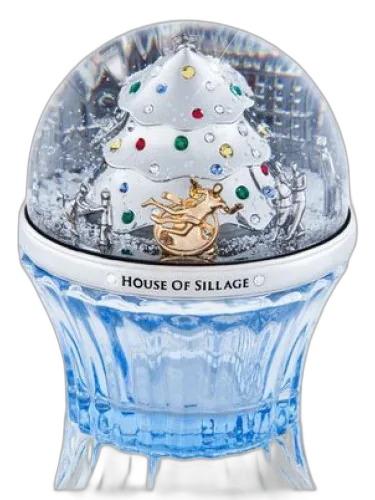
House Of Sillage
Holiday By House Of Sillage House Of Sillage
Shared base notes: cedar, vetiver
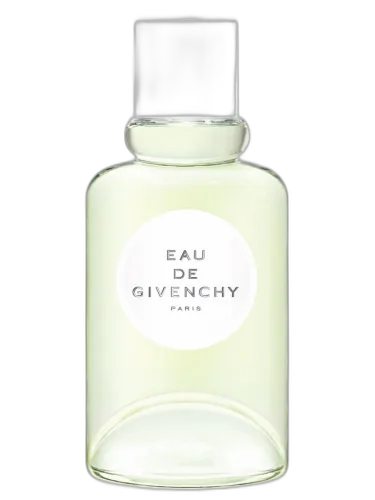
Givenchy
Eau De Givenchy (2018) Givenchy
Shared base notes: cedar, vetiver