


Kenzo Amour Kenzo
At a glance
Is Kenzo Amour Kenzo worth trying?
Kenzo Amour by Kenzo is a Oriental Vanilla fragrance for women.
- Best match
- Evening wear in Fall
- Performance feel
- Very Good longevity with Moderate sillage
- Signature profile
- vanilla, floral, powdery with Rice, White Tea, Frangipani
The first impression
Kenzo Amour by Kenzo is a Oriental Vanilla fragrance for women. Kenzo Amour was launched in 2006. Kenzo Amour was created by Daphné Bugey and Olivier Cresp. Top notes are Rice and White Tea; middle notes are Frangipani, Cherry Blossom and Heliotrope; base notes are Vanille, Musk, Incense and Thanaka Wood. This perfume is the winner of 2 awards: FiFi Award Fragrance Of The Year Women`s Nouveau Niche 2007 and FiFi Award Best Packaging Women`s Luxe 2007.
What shapes the scent
The perfumer behind it

Daphné Bugey
Daphné Bugey has created a wide range of fragrances, including Sunny Seaside Of Zanzibar for 4711, By Any Other Name for ALTAIA, and Naked Neroli for BORNTOSTANDOUT®. Her portfolio also includes L'eau Du Soleil for Boitown, Spumante for Brocard, and several other scents. She demonstrates versatility across both niche and commercial brands.
Notes pyramid
Top Notes
First impression · 15-30 min
 Rice
Rice
 White Tea
Heart Notes
Core character · 2-4 hours
 Frangipani
 Cherry Blossom
 Heliotrope
Base Notes
Lasting impression · 4+ hours
Vanille
 Musk
Musk
 Incense
 Thanaka Wood
The mood it creates
The Lover Archetype: Portrait of Kenzo Amour Kenzo
Essence
To wear Kenzo Amour is to surrender to the senses-a fragrance of milky vanilla, cherry blossom, and rice steam, soft yet intoxicating, like a whispered secret in the dark. The person who chooses this scent does not seek dominance or shock; they seek connection, warmth, the slow unfurling of intimacy. Their soul is woven with threads of the Lover archetype, the Jungian force of passion, unity, and aesthetic devotion.
This individual moves through life with an almost poetic sensuality. They are drawn to beauty in all its forms-art, music, the curve of a lover’s neck, the golden light of late afternoon. Their philosophy is one of immersion: to feel deeply is to live truly. They reject the coldness of pure logic, preferring intuition and emotion as their guides.
Their style is effortless yet deliberate-flowing fabrics, delicate jewelry, perhaps a vintage scarf draped just so. They favor textures that invite touch: cashmere, silk, worn leather. Their home is a sanctuary of comfort, filled with candles, well-loved books, and objects that hold personal meaning. They are not minimalist, nor are they cluttered; their space is curated like a love letter to the senses.
Relationships are their lifeblood. They thrive in deep, meaningful connections, whether romantic, platonic, or even with the world itself. They are the friend who remembers how you take your tea, the lover who traces constellations on your skin, the stranger who smiles at you in a way that makes you feel seen. Their empathy is boundless, their presence magnetic.
Yet this very strength contains its shadow.
Shadow
The Lover’s greatest danger is their own hunger for fusion. They risk losing themselves in others, dissolving boundaries in pursuit of connection. Their need to be cherished can slip into dependency, their idealism into naivety. They may stay too long in relationships that no longer serve them, mistaking intensity for depth.
At their worst, they may become possessive, fearing abandonment, or manipulative, using charm as a weapon. They might indulge in nostalgia to the point of stagnation, clinging to past loves like faded petals pressed between pages. Their aversion to conflict can make them passive, avoiding necessary confrontations in favor of harmony.
But when balanced, they are alchemists of emotion-transforming fleeting moments into lasting meaning.
Conclusion
Their career often reflects their values: perhaps they are an artist, a therapist, a chef, a curator-any vocation that allows them to merge passion with purpose. They work not for status, but for the joy of creation, the thrill of shared experience.
In love, they are both tender and tempestuous. They do not love lightly; when they commit, it is with their whole being. Their relationships are marked by fierce loyalty, physical affection, and an almost spiritual intimacy. Yet they must learn that love is not possession, and that true connection requires both surrender and selfhood.
Their flaw-and their redemption-is their refusal to harden. While others armor themselves against the world, they remain open, vulnerable, believing in the sacredness of feeling. It is both their greatest risk and their rarest gift.
To know them is to know warmth, to be reminded that life is not merely endured, but savored. And in the quiet moments, when the scent of Kenzo Amour lingers in the air, one understands: this is a soul who has mastered the art of loving, even if they sometimes forget to love themselves.
If you like this, try these
Fragrances with a comparable profile - shared accords, notes, and character.

Contém 1g
Meu Glamour Contém 1g
Shared top notes: rice, white tea
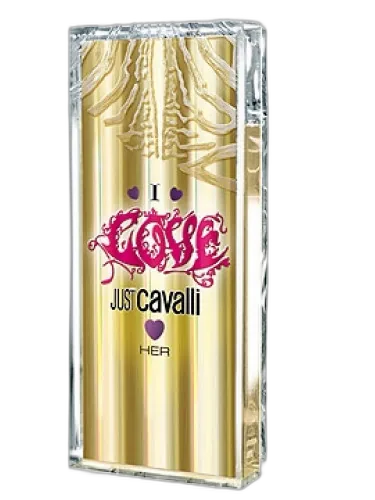
Roberto Cavalli
Just Cavalli I Love Her Roberto Cavalli
Shared heart notes: frangipani, heliotrope
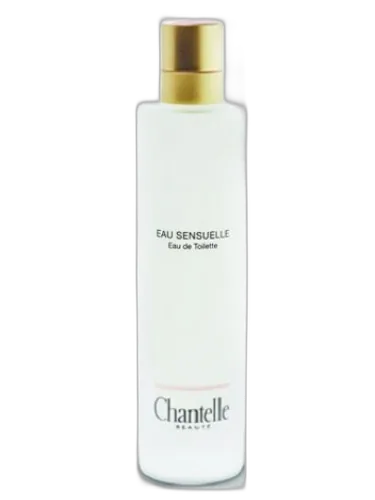
Chantelle
Eau Sensuelle Chantelle
Shared heart notes: frangipani, heliotrope

Donna Karan
Dkny Women Gold Donna Karan
Shared heart notes: frangipani
Usher
Usher She Usher
Shared heart notes: frangipani