


Once Upon A Time Pour Femme Kenzo
At a glance
Is Once Upon A Time Pour Femme Kenzo worth trying?
Once Upon a Time pour Femme by Kenzo is a Floral Woody Musk fragrance for women.
- Best match
- Casual wear in Spring
- Performance feel
- Moderate longevity with Moderate sillage
- Signature profile
- floral, woody, rose with Rose, Woodsy Notes, Sandalwood
The first impression
Once Upon a Time pour Femme by Kenzo is a Floral Woody Musk fragrance for women. Once Upon a Time pour Femme was launched in 2010. Once Upon a Time pour Femme was created by Christine Nagel and Benoist Lapouza.
What shapes the scent
The perfumer behind it

Benoist Lapouza
Benoist Lapouza has contributed to the ALYSONOLDOINI collection, crafting fragrances such as Black Violet, Crystal Oud, Cuir D'encens, Marine Vodka, Marsiglia Musk, Oranger Moi, Rhum D'hiver, and Rose Profond. His work spans a variety of olfactory families, from rich leathers and ouds to fresh marine and citrus notes. Lapouza's style is characterized by a refined balance of traditional and contemporary influences.
Notes pyramid
All Notes
Complete scent profile
 Rose
Rose
 Woodsy Notes
 Sandalwood
 Magnolia
 Peony
Peony
 Amber
Amber
 Freesia
 Musk
Musk
The mood it creates
The Dreamer Archetype: Portrait of Once Upon A Time Pour Femme Kenzo
Essence
To wear Once Upon A Time Pour Femme Kenzo is to embrace a fragrance that is both delicate and enigmatic-a whisper of vanilla, pear, and white musk, wrapped in the nostalgia of fairy tales. The person who chooses this scent is not merely attracted to its softness but to the mythic quality it carries, as if each spritz were an invocation of something half-remembered. They are, at their core, an Innocent Archetype, though one with a knowing depth-a soul who believes in beauty but is not naive to the world’s shadows.
Shadow
Yet every archetype has its shadow, and the Innocent is no exception. Their faith in beauty can sometimes blind them to harsh realities, leading to a quiet disillusionment when life fails to match their inner vision. They may retreat into nostalgia, longing for a past that never truly existed as they remember it-or worse, construct elaborate fantasies to escape present difficulties.
Their aversion to conflict can make them passive, avoiding necessary confrontations until resentment festers. They may also struggle with self-deception, convincing themselves that people or situations are better than they are simply because they wish it so. This idealism, when unchecked, can leave them vulnerable to manipulation by those who recognize their trusting nature.
Conclusion
This is someone who moves through life with an air of quiet enchantment. Their tastes are refined but never ostentatious; they prefer the understated elegance of natural fabrics, muted colors, and objects that seem to hold stories-antique books, handcrafted ceramics, a single dried flower pressed between pages. Their home is a sanctuary, not in the sterile sense of minimalism, but as a carefully curated space where every item has meaning.
Philosophically, they are drawn to idealism-not the kind that demands utopia, but the kind that finds magic in small moments. They may be spiritual without dogma, finding divinity in sunlit mornings, the scent of rain, or the way a piece of music can evoke a forgotten memory. Their values revolve around kindness, authenticity, and the preservation of beauty in a world that often disregards it.
In relationships, they are the gentle confidant, the one who listens deeply and offers solace without judgment. They do not seek dominance or drama; their presence is a balm. Romantic partners are drawn to their warmth, their ability to make even ordinary moments feel sacred. Friends cherish them for their unwavering loyalty and their rare gift of making others feel truly seen.
If you like this, try these
Fragrances with a comparable profile - shared accords, notes, and character.
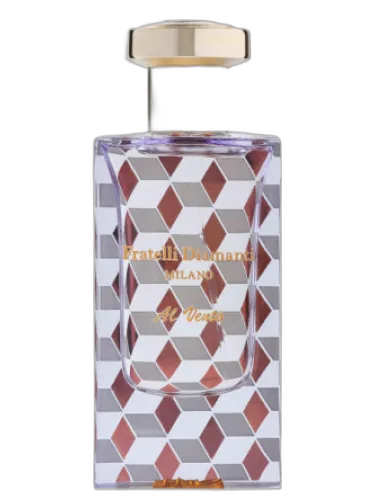
Fratelli Diamanti
Al Vento Fratelli Diamanti
Shared top notes: freesia, musk, peony
Bond No 9
West Side Bond No 9
Shared top notes: amber, musk, peony
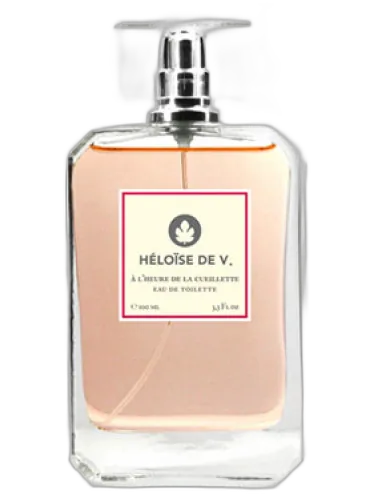
Héloïse de V.
A L'heure De La Cueillette Héloïse De V.
Shared top notes: magnolia, musk, peony

Giorgio Monti
Monti By Giorgio Monti Giorgio Monti
Shared top notes: amber, magnolia, musk

Adidas
Adidas 3 Women Adidas
Shared top notes: amber, magnolia, musk