


Time For Peace Kenzo
At a glance
Is Time For Peace Kenzo worth trying?
Time for Peace by Kenzo is a Aromatic Fougere fragrance for men.
- Best match
- Casual wear in Fall
- Performance feel
- Good longevity with Moderate sillage
- Signature profile
- aromatic, woody, vanilla with Sage, Mandarin Orange, Tonka Bean
The first impression
Time for Peace by Kenzo is a Aromatic Fougere fragrance for men. Time for Peace was launched in 1999. The nose behind this fragrance is Annick Menardo. Top notes are Sage and Mandarin Orange; middle notes are Tonka Bean and Chestnut; base notes are Virginia Cedar, Vetyver, Amber and Vanille.
What shapes the scent
The perfumer behind it

Annick Menardo
Annick Menardo is a French perfumer known for her work at Firmenich and her bold, modern compositions. She often blends gourmand, woody, and leathery accords, creating fragrances that are both striking and wearable. Her portfolio includes the rich, smoky Figment Man for Amouage and the sophisticated, floral-amber Portrayal Woman, as well as the iconic Azzaro Visit.
Notes pyramid
Top Notes
First impression · 15-30 min
 Sage
Sage
 Mandarin Orange
Heart Notes
Core character · 2-4 hours
 Tonka Bean
 Chestnut
Base Notes
Lasting impression · 4+ hours
Virginia Cedar
Vetyver
 Amber
Vanille
Amber
Vanille
The mood it creates
The Wanderer Archetype: Portrait of Time For Peace Kenzo
Essence
The person who cherishes Time for Peace by Kenzo is most closely aligned with the Sage archetype-a seeker of wisdom, harmony, and deeper truths. This fragrance, with its ethereal blend of green tea, white musk, and soft florals, mirrors their inner world: calm, contemplative, and attuned to the subtle currents of life. They are not merely passive observers but active participants in the pursuit of understanding, always questioning, always refining their perspective.
Yet, like all archetypes, the Sage has its shadow. Their relentless pursuit of wisdom can sometimes detach them from raw, unfiltered experience. They may over-intellectualize emotions, mistaking knowledge for true connection.
Style & Aesthetic
Their style is minimalist yet intentional-clean lines, muted tones, fabrics that breathe and move with them. They favor organic textures: linen, cotton, unpolished wood. There is no excess, only what serves a purpose or brings quiet joy.
In their home, you will find books-well-worn, annotated-interspersed with objects collected from travels: a smooth stone from a Japanese garden, a hand-thrown ceramic cup, a single sprig of dried lavender. Their space is not sterile but curated, a reflection of their inner clarity.
Mornings are sacred-a slow ritual of tea, journaling, or meditation. They move through the world deliberately, avoiding unnecessary haste. Work is meaningful to them; they thrive in roles that allow for deep focus-writing, research, design, or healing arts. Routine grounds them, but they also crave spontaneity in measured doses-a sudden trip, an unplanned walk through an unfamiliar part of the city.
They are drawn to nature, not as an adventurer but as an observer. A forest is not just trees but a network of silent communication; the ocean is not just water but a reminder of impermanence.
Philosophy & Values
Their worldview is one of balance-they believe in the interconnectedness of all things, drawing from both Eastern philosophies and Western existential thought. They are not dogmatic but fluid, adapting ideas to fit their evolving understanding. Stoicism appeals to them in moments of chaos, while Zen Buddhism offers solace in stillness.
They value autonomy above all-not in the rebellious sense, but as a quiet insistence on self-determination. They resist being boxed into societal expectations, preferring to carve their own path. Yet this independence can manifest as aloofness, a reluctance to rely on others even when necessary.
Relationships
They are not the life of the party, nor do they wish to be. Their presence is felt in smaller gatherings, where conversation has weight. They listen deeply, offering insights only when asked. Friends cherish their counsel but sometimes wish they would reveal more of themselves-their emotions often feel veiled behind reason.
Romantically, they seek a partner who respects their need for solitude but can also draw them out of their head and into the present. They struggle with vulnerability, mistaking detachment for strength. Their love is steady but not effusive, expressed in actions rather than grand declarations.
Shadow
Their greatest strength-their ability to remain composed-can also be their flaw. In their quest for equanimity, they may suppress emotions that demand expression. They rationalize pain instead of feeling it, believing that understanding a feeling is the same as experiencing it.
At times, their wisdom can border on condescension. They may grow impatient with those who act impulsively, forgetting that not all truths are grasped through intellect alone. Their challenge is to embrace the messiness of life-to allow themselves to be irrational, to love fiercely, to fail openly.
Conclusion
The lover of Time for Peace is neither entirely serene nor entirely detached-they are a work in progress, balancing insight with experience. They understand that peace is not the absence of chaos but the ability to move through it with grace. Their fragrance is not an escape but a reminder: to stay present, to stay curious, to remain open to the world’s quiet revelations.
And so they continue-ever learning, ever questioning, ever seeking the delicate equilibrium between knowing and being.
If you like this, try these
Fragrances with a comparable profile - shared accords, notes, and character.

Como Lake
Silenzio Como Lake
Shared top notes: mandarin orange, sage
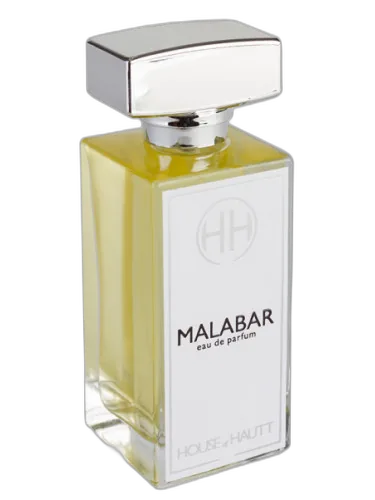
House of Hautt
Malabar 2017 House Of Hautt
Shared top notes: mandarin orange, sage

Avatim
Seleto Avatim
Shared top notes: mandarin orange, sage

Issey Miyake
L'eau D'issey Pour Homme Summer Eau De Toilette Issey Miyake
Shared top notes: mandarin orange

Zara
Rouge Crush Zara
Shared top notes: mandarin orange