
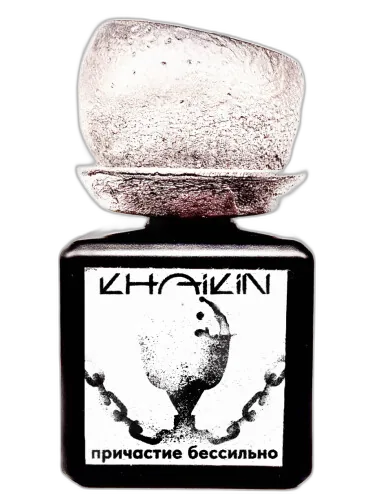

The Sacrament Is Powerless — Причастие Бессильно Khaikin
Fragrance Story
The Sacrament Is Powerless - Причастие бессильно by Khaikin is a Chypre fragrance for women and men. This is a new fragrance. The Sacrament Is Powerless - Причастие бессильно was launched in 2024. The nose behind this fragrance is Kirill Khaikin. Top notes are Red Wine, Nectarine and Red Berries; middle notes are Rose, Cumin, Leather, Saffron, Plum and Patchouli; base notes are Oakmoss, Myrrh, Musk and Vanilla.
Composition Profile
About the Perfumer

Kirill Khaikin
Kirill Khaikin is a Russian perfumer known for his brand Khaikin, which explores philosophical and abstract themes. His catalog includes Collapse Of Hedonism, Narcissus Grove, and The Sacrament Is Powerless, each with Russian titles. These fragrances often feature complex, dark, and introspective compositions. Khaikin's work is recognized for its intellectual depth and artistic ambition.
Fragrance Notes
Top Notes
First impression · 15-30 min
 Red Wine
 Nectarine
 Red Berries
Heart Notes
Core character · 2-4 hours
 Rose
Rose
 Cumin
Cumin
 Leather
 Saffron
 Plum
Plum
 Patchouli
Base Notes
Lasting impression · 4+ hours
 Oakmoss
 Myrrh
Myrrh
 Musk
Musk
 Vanilla
Character Profile
The Archetype Archetype: Portrait of The Sacrament Is Powerless - Причастие Бессильно Khaikin
Essence
To choose The Sacrament Is Powerless by Khaikin is to embrace a paradox-a fragrance that is at once sacred and profane, solemn yet rebellious. The wearer of this scent is not one who kneels before tradition but stands at its edges, observing, questioning, and ultimately redefining what power means. Their essence is that of the Trickster, the archetype that disrupts, subverts, and forces the world to confront its own illusions.
Shadow
Yet the Trickster’s strength is also their flaw. Their relentless skepticism can curdle into cynicism, their love of disruption into a habit of tearing down without offering alternatives. They risk becoming the jester who mocks the throne but has no desire to rule-a spectator rather than a builder.
Their relationships may suffer from this tendency. They can be emotionally guarded, using irony as a shield. They might push people away with their provocations, not out of malice, but because they fear the vulnerability of sincerity. At their worst, they become the lonely iconoclast, surrounded by admirers but without true companions.
Conclusion
This person moves through life with a sharp, almost mischievous intelligence. They are drawn to contradictions-sacred symbols stripped of meaning, rituals emptied of devotion. Their philosophy is one of deconstruction: they do not destroy for destruction’s sake, but to reveal what lies beneath the surface. They might quote Nietzsche’s "God is dead" not as a nihilistic declaration, but as an invitation to rebuild meaning on their own terms.
Their style reflects this duality-perhaps a mix of austere tailoring with an irreverent detail, like a clerical collar worn ironically or a rosary draped over a leather jacket. They appreciate the aesthetics of devotion but wear them as a challenge rather than a confession.
Similar Fragrances
Fragrances with a comparable profile - shared accords, notes, and character.
Khaikin
The Sacrament Is Powerless — Причастие Бессильно Khaikin
Shared accords: animalic, earthy, fresh spicy

Mancera
Aoud Sandroses Mancera
Shared accords: animalic, earthy, fresh spicy
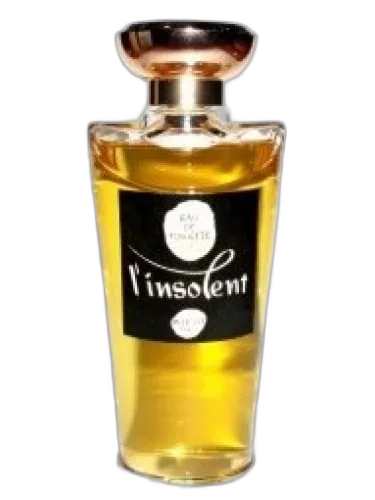
F. Millot
L'insolent F. Millot
Shared accords: earthy, fruity, leather
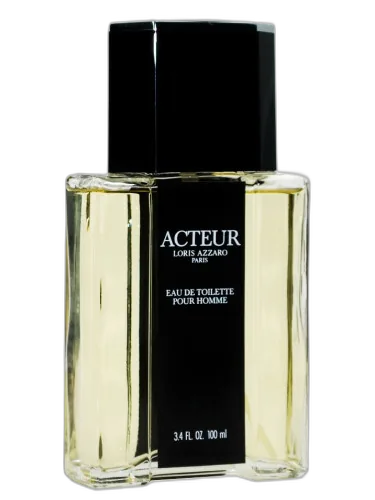
Azzaro
Acteur Azzaro
Shared accords: animalic, earthy, fruity

Chouette Vierge Parfumée
Chouette Vierge No. 6 Chouette Vierge Parfumée
Shared accords: earthy, fresh spicy, fruity