
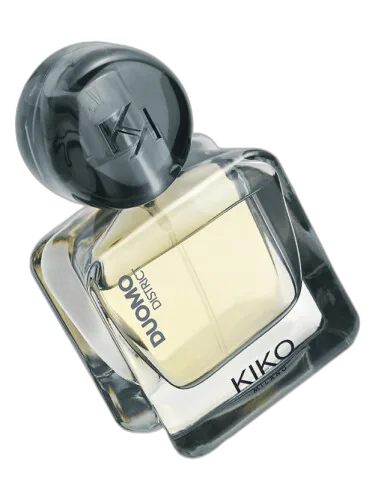

Duomo District Kiko Milano
At a glance
Is Duomo District Kiko Milano worth trying?
Duomo District by Kiko Milano is a Floral Aquatic fragrance for women.
- Best match
- Evening wear in Summer
- Performance feel
- Good longevity with Moderate sillage
- Signature profile
- white floral, citrus, sweet with Orange, Lemon, Jasmine Sambac
The first impression
Duomo District by Kiko Milano is a Floral Aquatic fragrance for women. This is a new fragrance. Duomo District was launched in 2024. The nose behind this fragrance is Amelie Jacquin. Top notes are Orange and Lemon; middle notes are Jasmine Sambac, Gourmand Accord and White Rose; base notes are Patchouli, Sea Salt and Sea Notes.
What shapes the scent
The perfumer behind it

Amelie Jacquin
Amelie Jacquin is a French perfumer known for her work with brands like Bon Parfumeur, Dries Van Noten, and Goldfield & Banks Australia. Her style often explores rich, textured accords, with a particular affinity for myrrh and resinous notes, as seen in creations such as Rock The Myrrh and Myrrh Shadow. She balances bold, opulent ingredients with a refined clarity, evident in compositions like Island Lush and Honeyed Tobacco & Oud.
Notes pyramid
Top Notes
First impression · 15-30 min
 Orange
 Lemon
Lemon
Heart Notes
Core character · 2-4 hours
 Jasmine Sambac
 Gourmand Accord
White Rose
Gourmand Accord
White Rose
Base Notes
Lasting impression · 4+ hours
 Patchouli
Sea Salt
Sea Notes
Patchouli
Sea Salt
Sea Notes
The mood it creates
The Lover Archetype: Portrait of Duomo District Kiko Milano
Essence
To wear Duomo District by Kiko Milano is to embrace an aura of refined seduction-a fragrance that balances warmth with sophistication, sensuality with restraint. The person who chooses this scent is drawn to beauty in all its forms, not merely as an aesthetic preference but as a fundamental way of being. They are, at their core, an embodiment of The Lover archetype-one who seeks connection, pleasure, and meaning through the senses, relationships, and the art of living well.
Style & Aesthetic
Their world is curated with intention. They are not merely a consumer of beauty but a creator of it, whether through their personal style, their home, or the way they move through life. Their tastes lean toward the elegant yet understated-luxury that whispers rather than shouts. They might favor tailored silhouettes, rich textures, and colors that evoke depth: deep burgundies, muted golds, midnight blues. Their philosophy is one of carpe diem, but not in the reckless sense-rather, in the belief that life should be savored, that moments of pleasure are not frivolous but essential to the soul.
They are drawn to art that stirs emotion-Baroque music, Renaissance paintings, the poetry of Rilke or Neruda. They understand that beauty is not always gentle; it can be fierce, melancholic, even tragic. This duality resonates with them, for they too contain multitudes.
Relationships
To know them is to be drawn into their orbit, for they possess a magnetism that is neither aggressive nor passive but effortlessly compelling. They do not chase love; they attract it, cultivating relationships with the same care one might devote to a rare orchid. Their connections are deep, often intense, for they seek partners and friends who share their hunger for meaningful experience.
Yet, here lies their shadow: a tendency toward idealization. They may fall in love with the idea of a person rather than the reality, setting impossible standards that no human can fulfill. When disillusioned, they retreat-not out of cruelty, but out of a wounded sense of betrayal by life itself. Their greatest fear is not heartbreak, but banality-to be trapped in a love that has lost its fire, a life stripped of poetry.
Shadow
The Lover’s weakness is excess-not necessarily in vice, but in their relentless pursuit of the sublime. They may drift into indulgence, whether in romance, luxury, or nostalgia, losing themselves in the chase for the next transcendent moment. When reality fails to meet their desires, they may slip into melancholy, mourning an idealized past or an unrealized future.
Yet, this very sensitivity is also their strength. Their capacity for deep feeling allows them to experience life with rare intensity. They are the ones who remind others that existence is not merely to be endured but felt-in all its joy, sorrow, and fleeting beauty.
Conclusion
They are not reckless hedonists, nor are they ascetics denying themselves pleasure. They walk the line between passion and restraint, understanding that true fulfillment lies in balance. Their home is a sanctuary, their relationships a testament to devotion, their daily rituals a quiet rebellion against the mundane.
To encounter them is to be reminded that life is not merely functional-it is sensual, poetic, and achingly brief. They do not fear mortality; they defy it by living with such richness that each moment becomes a small eternity.
In the end, they are not merely wearers of a fragrance-they are its essence. Duomo District lingers like a memory, intoxicating yet elusive, and so do they.
If you like this, try these
Fragrances with a comparable profile - shared accords, notes, and character.
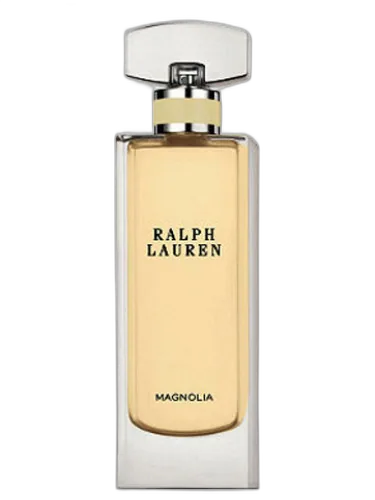
Ralph Lauren
Song Of America - Magnolia Ralph Lauren
Shared top notes: lemon

Lord Milano
Champs Elysees Lord Milano
Shared top notes: lemon, orange
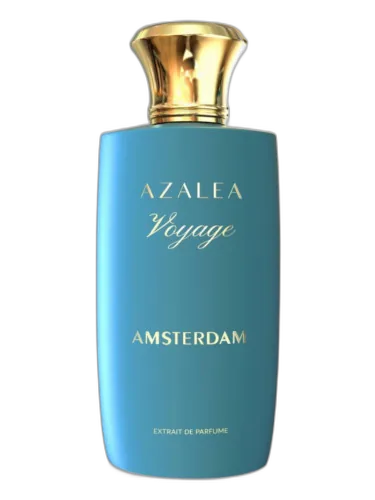
Azalea Parfums
Amsterdam Azalea Parfums
Shared top notes: lemon, orange
Alexandria Fragrances
Valley Of The Kings Alexandria Fragrances
Shared top notes: lemon, orange

Moresque
Moreta Moresque
Shared top notes: lemon, orange