
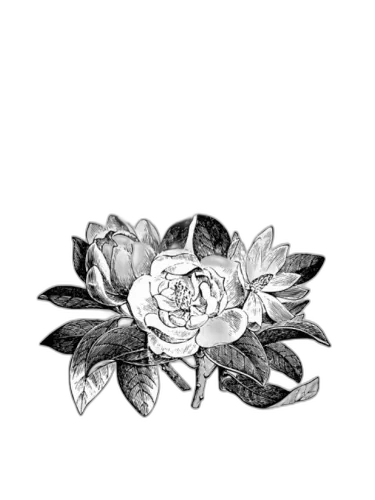

Talauma Piai King's Palace Perfumery
At a glance
Is Talauma Piai King's Palace Perfumery worth trying?
Talauma Piai by King's Palace Perfumery is a Floral Woody Musk fragrance for women and men.
- Best match
- Evening wear in Spring
- Performance feel
- Good longevity with Moderate sillage
- Signature profile
- citrus, floral, musky with Lemon, Magnolia, Musk
The first impression
Talauma Piai by King's Palace Perfumery is a Floral Woody Musk fragrance for women and men. Talauma Piai was launched in 2014. The nose behind this fragrance is Marlen Harrison.
What shapes the scent
The perfumer behind it

Marlen Harrison
Marlen Harrison is the perfumer behind King's Palace Perfumery, a brand inspired by historical and cultural themes. He has created scents like Angkor, Bashert, Chenonceau, and Din Ka Raja, each reflecting a distinct narrative or place. Harrison's fragrances are known for their rich, layered compositions.
Notes pyramid
All Notes
Complete scent profile
 Lemon
Lemon
 Magnolia
 Musk
Musk
 Vanilla Orchid
 Copahu Balm
The mood it creates
The Lover Archetype: Portrait of Talauma Piai King's Palace Perfumery
Essence
To wear Talauma Piai King's Palace Perfumery is to embrace a fragrance that is both rare and enigmatic-an olfactory tapestry woven from the sacred and the sensual. The person who chooses this scent is not merely selecting a perfume; they are declaring an allegiance to transformation, to the alchemical process of turning the ordinary into the extraordinary. Their soul resonates with the Alchemist archetype, the eternal seeker who distills meaning from chaos, beauty from decay, and wisdom from experience.
This is someone who moves through life with a quiet intensity, always searching for the hidden threads that connect the mundane to the mystical. They are drawn to the obscure, the forgotten, the almost-lost-whether in art, philosophy, or human connection. Their presence is magnetic, not because they demand attention, but because they carry an air of knowing something others do not.
Shadow
Yet every alchemist risks becoming lost in their own labyrinth. Their relentless pursuit of meaning can tip into obsession, leaving them paralyzed by the fear of missing some essential truth. They may withdraw too deeply, mistaking solitude for wisdom and isolation for enlightenment. Their refusal to settle can make them restless, always chasing the next revelation, never fully grounding in the present.
At their worst, they become cryptic even to themselves, weaving so many layers of symbolism around their life that even they forget the original thread. They may grow impatient with those who do not share their depth, dismissing simpler joys as trivial. Their idealism can curdle into disillusionment when the world fails to match their inner visions.
Conclusion
Their tastes are eclectic yet deliberate. They might collect rare books with crumbling spines, own a single piece of antique jewelry passed down through generations, or cultivate a garden of medicinal herbs. Their style is understated but intentional-linen and silk, earth tones with a single striking accent, as if every choice is a carefully placed symbol in the narrative of their life.
Philosophically, they reject dogma but revere mystery. They are not religious in the traditional sense, yet they speak of the universe in terms of signs and synchronicities. They believe in the power of intention, in the subtle alchemy of thought shaping reality. Their values are rooted in authenticity, but they understand that authenticity is not static-it is a process of continual refinement, like gold purified through fire.
In relationships, they are both deeply present and frustratingly elusive. They love fiercely but guard their inner world with quiet vigilance. Their closest bonds are with those who do not try to possess them but instead join them in the dance of discovery. They are the confidant who listens with uncanny perception, the lover who leaves traces of poetry on skin, the friend who gifts you a book they swear was written just for you.
If you like this, try these
Fragrances with a comparable profile - shared accords, notes, and character.
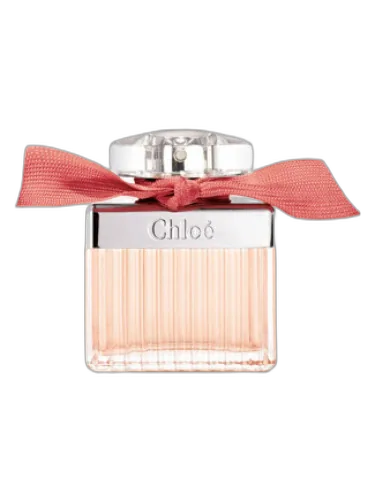
Chloé
Chloé Roses De Chloé Chloé
Shared top notes: lemon
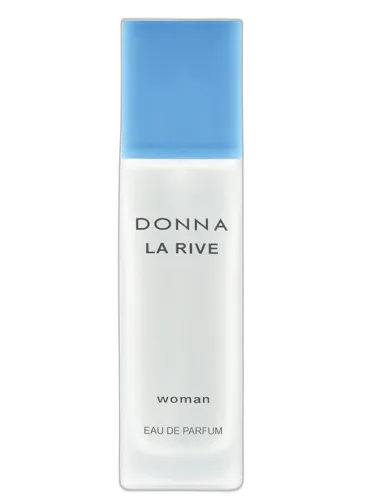
La Rive
Donna La Rive
Shared top notes: lemon
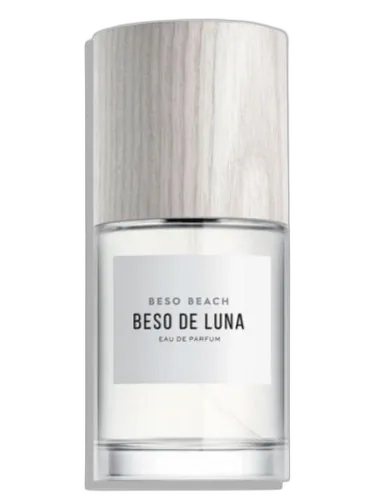
Beso Beach Perfumes
Beso De Luna Beso Beach Perfumes
Shared top notes: lemon
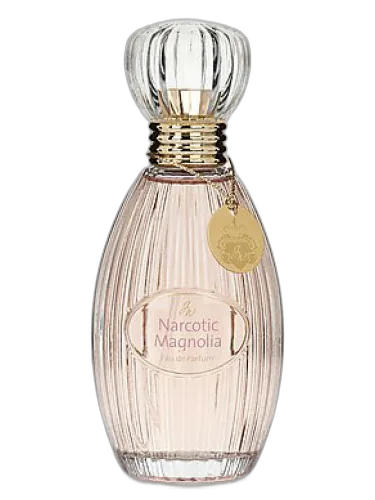
Judith Williams
Narcotic Magnolia Judith Williams
Shared top notes: lemon
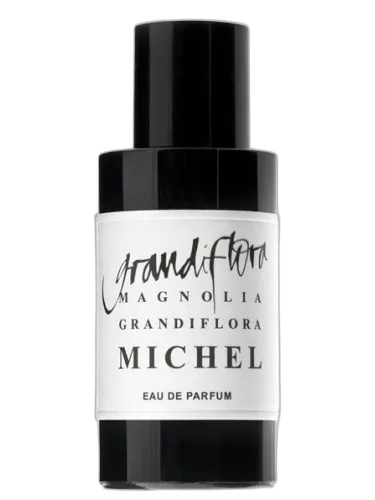
Grandiflora
Magnolia Grandiflora Michel Grandiflora
Shared top notes: lemon, magnolia, musk