
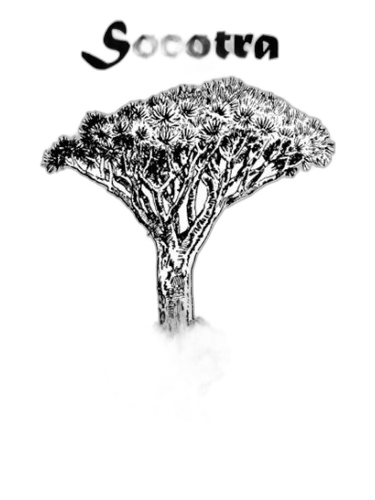

Socotra King's Palace Perfumery
Fragrance Story
Socotra by King's Palace Perfumery is a Oriental fragrance for women and men. Socotra was launched in 2014. The nose behind this fragrance is Marlen Harrison.
Composition Profile
About the Perfumer

Marlen Harrison
Marlen Harrison is the perfumer behind King's Palace Perfumery, a brand inspired by historical and cultural themes. He has created scents like Angkor, Bashert, Chenonceau, and Din Ka Raja, each reflecting a distinct narrative or place. Harrison's fragrances are known for their rich, layered compositions.
Fragrance Notes
All Notes
Complete scent profile
 Choya Loban
 Amber
Amber
 Immortelle
 Myrrh
Myrrh
 Honey
Honey
 Cinnamon
 Olibanum
 Musk
Musk
 Vanilla
Socotra King's Palace Perfumery by King's Palace Perfumery offers a distinctive olfactory experience that stands out from other fragrances in its category.
Crafted with the finest ingredients and a blend of traditional and modern perfumery techniques, this fragrance represents the pinnacle of the perfumer's art.
Socotra King's Palace Perfumery embodies the distinctive style of King's Palace Perfumery while adding a unique chapter to their fragrance portfolio.
Character Profile
The Sovereign Archetype: Portrait of Socotra King's Palace Perfumery
Essence
This person is most closely aligned with the Ruler archetype-a figure who commands presence, exudes authority, and seeks mastery over their domain. The Socotra King’s Palace fragrance, with its regal blend of frankincense, myrrh, and exotic spices, is not merely a scent but a declaration of sovereignty. Like a monarch surveying their kingdom, this individual moves through life with an air of quiet dominion, shaping their surroundings rather than being shaped by them.
Yet, the Ruler is not merely about power for its own sake; it is about order, legacy, and the cultivation of excellence. They do not seek to dominate others arbitrarily but to embody a standard-one that inspires, intimidates, or provokes in equal measure.
Shadow
Yet power, when unchecked, corrupts even the noblest ruler. Their flaw is the slow erosion of empathy-the belief that their vision is the only valid one. They may grow impatient with dissent, dismissive of vulnerability, or rigid in their expectations. The same authority that inspires can also isolate, leaving them surrounded by yes-men or resentful subordinates.
There is also the danger of decadence-indulging in luxury not as an aesthetic choice but as a means of self-aggrandizement. The Socotra King’s Palace wearer must guard against becoming a parody of their own ideals: a monarch who rules over an empty court.
Conclusion
Their tastes are deliberate, their style an exercise in controlled opulence. They favor tailored garments-structured blazers, rich fabrics in deep hues, perhaps a signet ring or an heirloom watch. Their home is a curated sanctuary: dark wood, leather-bound books, incense lingering in the air. They appreciate art that conveys grandeur-Baroque compositions, Renaissance portraiture, or the stark elegance of Japanese ink paintings.
Philosophically, they believe in the necessity of hierarchy-not as oppression, but as the natural order of things. They respect competence, despise mediocrity, and have little patience for those who refuse to refine themselves. Their values are rooted in discipline, tradition, and the pursuit of something enduring.
Relationships, for them, are alliances as much as they are affections. They attract admirers and sycophants alike, but their inner circle is small, composed of those who meet their exacting standards. Romantic partners must be equals-or at least, individuals who understand the unspoken contract of mutual elevation.
Similar Fragrances
Fragrances with a comparable profile - shared accords, notes, and character.
King's Palace Perfumery
Socotra King's Palace Perfumery
Shared accords: amber, balsamic, herbal
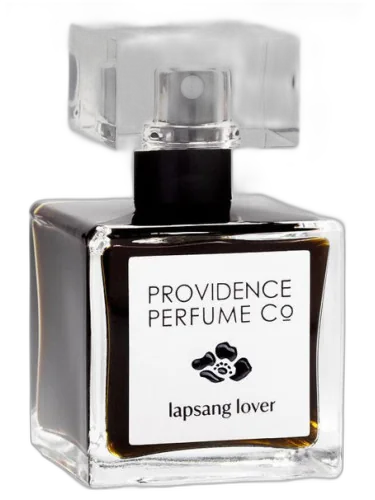
Providence Perfume Co.
Lapsang Lover Providence Perfume Co.
Shared accords: amber, balsamic, honey
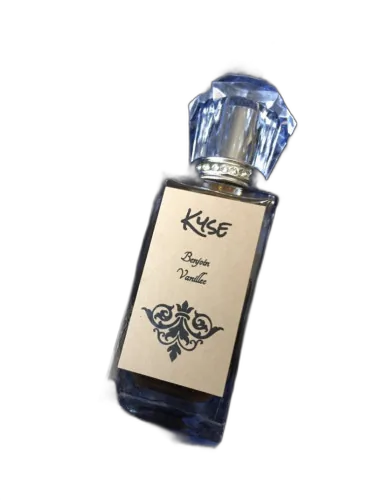
Kyse Perfumes
Benjoin Vanillee Parfum Extrait Kyse Perfumes
Shared accords: amber, balsamic, herbal
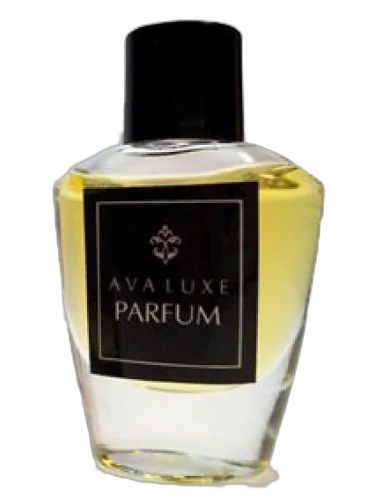
Ava Luxe
Opoponax Intense Ava Luxe
Shared accords: amber, balsamic, sweet

Essenzialmente Laura
Orens Essenzialmente Laura
Shared accords: amber, balsamic, sweet