


Tonka By Jeremy Scott Kokeshi
At a glance
Is Tonka By Jeremy Scott Kokeshi worth trying?
Tonka by Jeremy Scott by Kokeshi is a Woody Aquatic fragrance for men.
- Best match
- Evening wear in Fall
- Performance feel
- Good longevity with Moderate sillage
- Signature profile
- woody, citrus, fresh with Mountain Air, Bergamot, Woody Notes
The first impression
Tonka by Jeremy Scott by Kokeshi is a Woody Aquatic fragrance for men. Tonka by Jeremy Scott was launched in 2016. Top notes are Mountain Air and Bergamot; middle notes are Woody Notes and Cedar; base note is Tonka Bean.
What shapes the scent
The perfumer behind it

Unknown Perfumer
Notes pyramid
Top Notes
First impression · 15-30 min
 Mountain Air
 Bergamot
Heart Notes
Core character · 2-4 hours
 Woody Notes
 Cedar
Cedar
Base Notes
Lasting impression · 4+ hours
 Tonka Bean
The mood it creates
The Lover Archetype: Portrait of Tonka By Jeremy Scott Kokeshi
Essence
Tonka by Jeremy Scott Kokeshi is a scent of paradox-warm yet elusive, sweet yet smoky, playful yet profound. It carries the richness of vanilla and tonka bean, softened by almond and musk, creating an aura that is both comforting and enigmatic. The person who chooses this fragrance is drawn to its duality, its ability to be both familiar and mysterious. They are not content with the obvious; they seek depth beneath the surface, magic in the mundane.
This individual is most closely aligned with the Magician archetype-a shape-shifter who transforms reality through perception, charm, and insight. The Magician thrives on possibility, seeing the world not as it is, but as it could be. They are alchemists of experience, turning ordinary moments into something extraordinary. Yet, like all archetypes, the Magician has a shadow-one that can slip into manipulation, illusion for illusion’s sake, or a detachment from the tangible world.
Style & Aesthetic
Their style is an extension of their essence-eclectic, intentional, and slightly theatrical. They favor textures that invite touch: velvet, silk, soft knits. Their wardrobe balances vintage finds with modern minimalism, a nod to their belief that the past and future are always in dialogue. They might wear a tailored coat over a thrifted silk shirt, or a sleek black dress with an unexpected pop of color-a visual representation of their layered personality.
In their home, candles burn low, casting flickering shadows on walls lined with books and curiosities. They collect objects not for their monetary value, but for their stories-a rusted key, a dried flower pressed between pages, a hand-carved wooden box from a distant market. Their space is a sanctuary, a carefully curated stage where reality bends slightly at the edges.
They thrive in environments that stimulate their senses and intellect-dimly lit jazz bars, independent bookshops, cities where every corner holds a secret. They are nocturnal by nature, finding inspiration in the quiet hours when the world sleeps. Their creativity is cyclical: bursts of intense productivity followed by periods of restless wandering.
They are drawn to the arts, though not necessarily as traditional creators. They may be the curator, the editor, the muse-the one who shapes experiences rather than being confined to a single medium. Their work, whatever form it takes, is about transformation-whether through words, images, or the subtle alchemy of human connection.
Philosophy & Values
They believe in the power of transformation-not just of the self, but of perception itself. Life, to them, is a series of illusions to be unraveled or embraced, depending on what serves the moment. They value curiosity above dogma, intuition above rigid logic. Their spirituality is fluid, borrowing from mysticism, psychology, and art in equal measure.
Yet this very fluidity can become their downfall. When ungrounded, they risk becoming lost in their own narratives, mistaking fascination for wisdom. They may weave stories so compelling that even they begin to believe them, blurring the line between truth and fiction.
Relationships
In relationships, they are magnetic but elusive. They draw people in with their warmth, their ability to make others feel seen-but they rarely reveal themselves fully. Their charm is effortless, their wit sharp, but intimacy is a dance they control. They prefer relationships that allow for reinvention, avoiding those that demand permanence or predictability.
Their friendships are deep but sporadic. They are the confidant who disappears for months, only to reappear with a perfectly timed gift or a piece of advice that cuts to the core. Romantic partners are often enchanted by their mystery but frustrated by their reluctance to be pinned down.
Shadow
When the Magician’s light dims, they become the Illusionist-a trickster who confuses even themselves. They may manipulate perceptions to avoid vulnerability, spinning half-truths to maintain control. Their adaptability can turn into rootlessness, their love of mystery into evasion. They may grow weary of their own performances, yet feel trapped by the personas they’ve crafted.
The antidote lies in grounding-in choosing, at times, to be still, to embrace the unadorned truth. When they learn to balance magic with substance, they become not just enchanters, but true visionaries.
Conclusion
The lover of Tonka by Jeremy Scott Kokeshi is a seeker of hidden harmonies, a weaver of unseen threads. They live in the liminal spaces-between dream and waking, past and future, self and other. Their greatest gift is their ability to transform the ordinary into the extraordinary. Their greatest challenge is to remember that even magicians must, at times, step out of the shadows and into the light.
If you like this, try these
Fragrances with a comparable profile - shared accords, notes, and character.
Kokeshi
Tonka Kokeshi
Shared top notes: mountain air
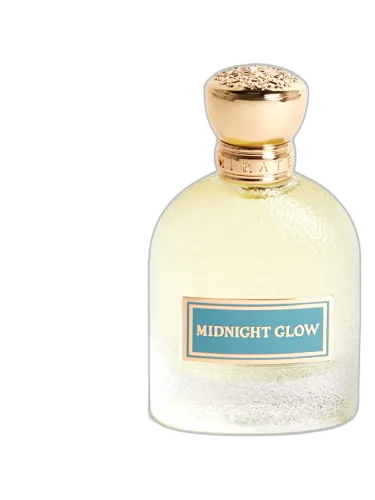
Emirates Pride Perfumes
Midnight Glow Emirates Pride Perfumes
Shared top notes: bergamot

Esprit
Esprit Collection Esprit
Shared top notes: bergamot

Aimee de Mars Parfums
Espiegle Bergamote (playful Bergamot) Aimee De Mars Parfums
Shared top notes: bergamot

Jean Paul Gaultier
Le Beau Jean Paul Gaultier
Shared top notes: bergamot