
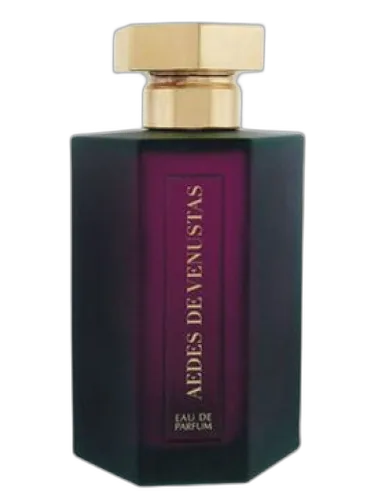
Aedes De Venustas L'artisan Parfumeur
At a glance
Is Aedes De Venustas L'artisan Parfumeur worth trying?
Aedes de Venustas by L'Artisan Parfumeur is a Oriental Woody fragrance for women and men.
- Best match
- Evening, Special Occasion wear in Fall, Winter
- Zodiac
- Best for Capricorn
- Performance feel
- Good longevity with Strong sillage
- Signature profile
- warm spicy, amber, woody with Incense, Cardamom, Pink Pepper
The first impression
Aedes de Venustas by L'Artisan Parfumeur is a Oriental Woody fragrance for women and men. Aedes de Venustas was launched in 2008. The nose behind this fragrance is Bertrand Duchaufour. Top notes are Incense, Cardamom, Pink Pepper and Orange; middle notes are Pepper, Cedar, Iris and Rose; base notes are Opoponax, Patchouli, Oakmoss, Coffee and Benzoin.
What shapes the scent
The perfumer behind it

Bertrand Duchaufour
Bertrand Duchaufour is a renowned French perfumer with a prolific career spanning many brands. He has created fragrances for Acqua di Parma, including Blu Mediterraneo - Cipresso Di Toscana and Colonia Assoluta, as well as for Aedes de Venustas, such as Café Tabac and Copal Azur. His style is known for its complexity and use of natural ingredients.
Notes pyramid
Top Notes
First impression · 15-30 min
 Incense
 Cardamom
 Pink Pepper
 Orange
Heart Notes
Core character · 2-4 hours
 Pepper
 Cedar
Cedar
 Iris
Iris
 Rose
Rose
Base Notes
Lasting impression · 4+ hours
 Opoponax
 Patchouli
 Oakmoss
 Coffee
 Benzoin
The mood it creates
The Lover Archetype: Portrait of Aedes De Venustas L'artisan Parfumeur
Essence
To wear Aedes de Venustas by L’Artisan Parfumeur is to embrace a fragrance that is at once lush and enigmatic-a blend of rhubarb, pomegranate, and incense, both playful and profound. The person who chooses this scent is not merely selecting a perfume; they are declaring an allegiance to beauty, sensuality, and the art of living with deliberate intensity. They are, at their core, the Lover Archetype, but not in the simplistic sense of mere romanticism. Their love is a devotion to all that stirs the senses and the soul-pleasure, passion, and the sublime.
Shadow
But every archetype has its shadow, and the Lover is no exception. Their devotion to beauty can tip into decadence-indulgence without restraint, pleasure as a means of avoidance. They may grow impatient with the mundane, dismissing anything that does not immediately enchant them. This can lead to a kind of existential dissatisfaction, a sense that nothing ever quite lives up to their ideals.
Their romanticism can also make them prone to melancholy. When the intensity fades-as it inevitably does-they may mistake the natural ebb of passion for failure. They might chase after new experiences, new loves, new sensations, always hoping to recapture the sublime. In doing so, they risk becoming jaded, mistaking novelty for meaning.
Conclusion
Their tastes are curated with an almost obsessive attention to detail. They do not merely consume; they savor. A meal is not just sustenance but an orchestration of flavors, textures, and presentation. Their home is an extension of their inner world-filled with rich textiles, art that provokes emotion, and objects that carry personal meaning. They might favor deep reds, velvety blacks, or the warm glow of candlelight, all of which create an atmosphere of intimacy and allure.
Philosophically, they reject the utilitarian in favor of the poetic. Life, to them, is not about mere survival but about transcendence through beauty. They may find inspiration in the decadence of Baudelaire, the romanticism of Keats, or the hedonistic wisdom of Epicurus. They believe in the transformative power of pleasure-not as escapism, but as a path to deeper understanding.
In relationships, they are magnetic but demanding. They seek partners who match their intensity, who can engage in both intellectual discourse and sensual abandon. They are not interested in superficial connections; they crave depth, passion, and a meeting of minds. Yet, their idealism can make them restless-always searching for a love that exists more perfectly in their imagination than in reality.
If you like this, try these
Fragrances with a comparable profile - shared accords, notes, and character.
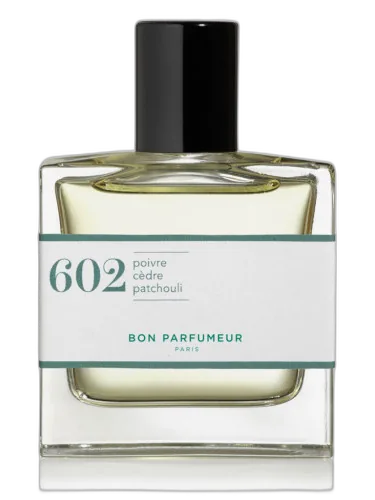
Bon Parfumeur
602 Pepper, Cedar, Patchouli Bon Parfumeur
Shared top notes: incense
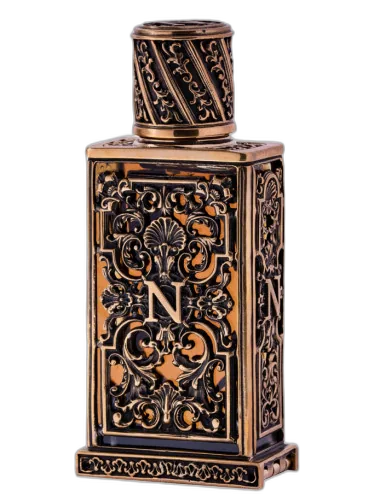
Nimere Parfums
L’amour Absolu Nimere Parfums
Shared top notes: pink pepper
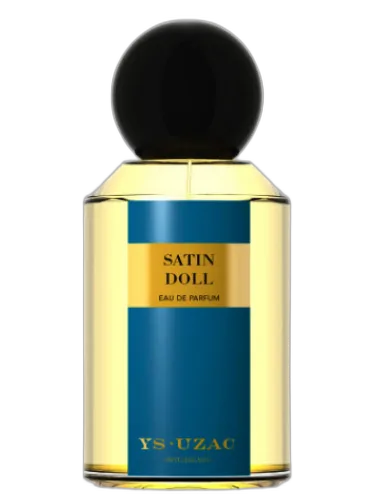
Ys-Uzac
Satin Doll Ys-uzac
Shared top notes: pink pepper
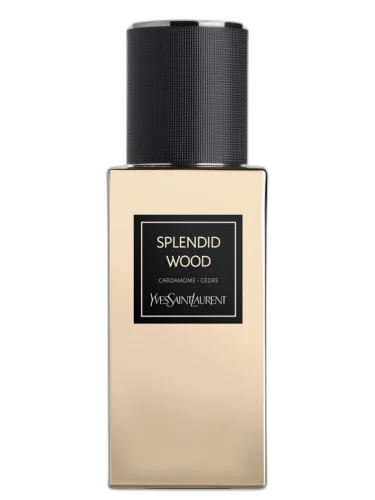
Yves Saint Laurent
Splendid Wood (le Vestiaire Des Parfums) Yves Saint Laurent
Shared top notes: cardamom, incense
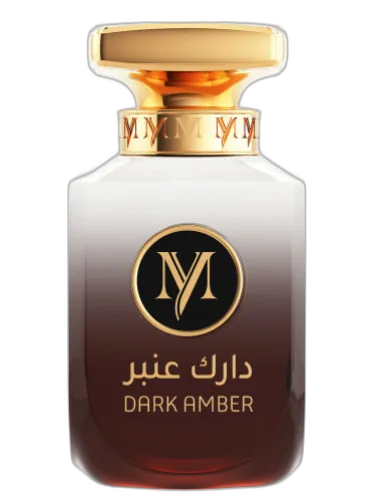
My Perfumes Select
Dark Amber My Perfumes Select
Shared top notes: pink pepper