
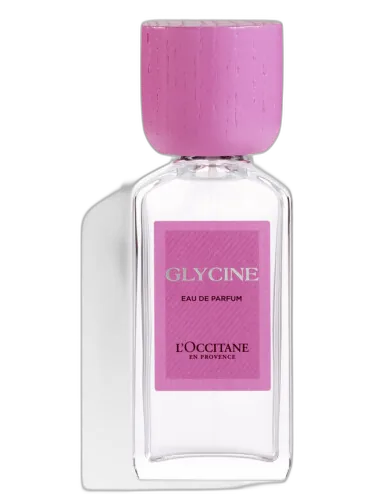

Glycine L'occitane En Provence
At a glance
Is Glycine L'occitane En Provence worth trying?
Glycine by L'Occitane en Provence is a Floral Fruity fragrance for women and men.
- Best match
- Casual wear in Spring
- Zodiac
- Best for Libra
- Performance feel
- Moderate longevity with Moderate sillage
- Signature profile
- citrus, floral, fresh with Finger Lime, Freesia, Bergamot
The first impression
Glycine by L'Occitane en Provence is a Floral Fruity fragrance for women and men. This is a new fragrance. Glycine was launched in 2024. Top notes are Finger Lime, Freesia and Bergamot; middle notes are Wisteria, Nashi Pear and Peony; base notes are Cedarwood and White Musk.
What shapes the scent
The perfumer behind it

Karine Dubreuil
Karine Dubreuil composed delicate florals like Glycine and Noble Epine for L'Occitane. Her work often captures the freshness of Provencal gardens with a light, airy touch. Even richer scents like Molinard's Iles D'or retain her signature elegance. Dubreuil's perfumes feel timeless and effortlessly graceful.
Notes pyramid
Top Notes
First impression · 15-30 min
 Finger Lime
 Freesia
 Bergamot
Heart Notes
Core character · 2-4 hours
 Wisteria
 Nashi Pear
 Peony
Peony
Base Notes
Lasting impression · 4+ hours
 Cedarwood
White Musk
Cedarwood
White Musk
The mood it creates
The Lover Archetype: Portrait of Glycine L'occitane En Provence
Essence
The one who cherishes Glycine by L'Occitane is, at their core, an embodiment of the Innocent archetype-a soul untouched by cynicism, drawn to purity, simplicity, and the quiet beauty of the natural world. This fragrance, with its delicate lilac and fresh green notes, evokes a sense of nostalgia, of spring mornings and unspoiled landscapes. The Innocent does not merely wear a scent; they inhabit it as an extension of their inner world-one where optimism is a philosophy and authenticity a creed.
Yet, like all archetypes, the Innocent has a shadow. Their unwavering faith in goodness can blind them to life’s complexities, leaving them vulnerable to disillusionment. They may resist the darker shades of existence, retreating into idealism when reality demands resilience.
To wear Glycine is to carry the spirit of spring-a fleeting, fragile thing, yet one that returns, unfailingly, year after year. The Innocent knows this cycle well. They understand that life is transient, that joy is ephemeral, and yet they choose to bloom anyway. And in that choice lies their quiet, unshakable power.
Relationships
In love, they are tender but guarded, offering affection freely yet hesitating before fully surrendering to another. They seek partners who share their appreciation for quiet intimacy-long walks, shared silences, the comfort of familiar touch. Their friendships are deep but few, for they do not give their trust lightly. Once earned, however, their loyalty is unwavering.
Yet their idealism can be a double-edged sword. They may romanticize people, projecting purity onto those who do not deserve it, only to withdraw in confusion when betrayal or harshness surfaces. Their reluctance to acknowledge human flaws can leave them ill-prepared for conflict, leading them to retreat rather than confront.
Shadow
Their greatest strength-their optimism-is also their greatest weakness. When life refuses to conform to their vision of harmony, they may lapse into passive resignation, refusing to engage with the messiness of reality. They might cling to nostalgia, longing for a past that never truly existed, or become subtly judgmental of those who embrace life’s rougher edges.
Yet even in their fragility, there is wisdom. Their refusal to harden is itself a form of resistance-a quiet rebellion against a world that often demands callousness. They remind us that beauty is not frivolous, that gentleness is not weakness, and that sometimes, the most radical thing one can do is believe in goodness despite all evidence to the contrary.
Conclusion
Their tastes are refined but never ostentatious. They prefer the understated elegance of linen dresses, unadorned silver jewelry, and well-worn books with dog-eared pages. Their home is a sanctuary of muted colors-soft whites, pale blues, the faintest blush of lavender-where sunlight filters through sheer curtains. They surround themselves with dried flowers, handwritten letters, and the faint hum of a vinyl record playing something melancholic yet sweet.
Philosophically, they believe in kindness as a radical act. They see the world as fundamentally good, or at least capable of goodness, and they move through life with a quiet determination to preserve beauty where they find it. Their values are rooted in sincerity, simplicity, and a deep reverence for fleeting moments-the way light falls on a windowsill, the scent of rain on warm earth, the first sip of tea in the morning.
If you like this, try these
Fragrances with a comparable profile - shared accords, notes, and character.
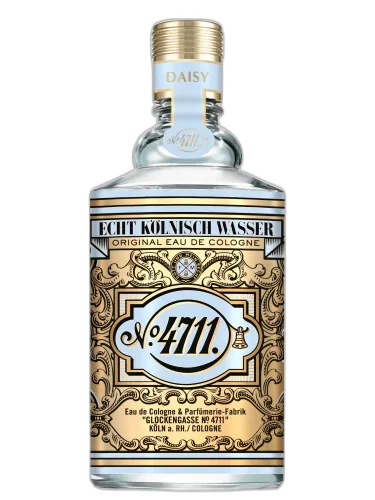
4711
Echt Kölnisch Wasser Daisy 4711
Shared top notes: bergamot, freesia
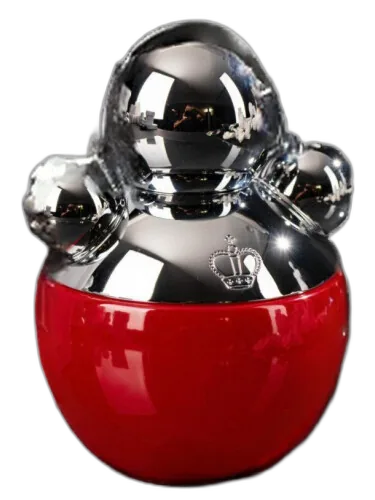
Maison IRFÉ
Centifolia Rose Maison Irfé
Shared top notes: bergamot

Monet's Palette
Master X Master Monet's Palette
Shared top notes: bergamot, freesia

Santa Eulalia
Marinis Santa Eulalia
Shared base notes: cedarwood, white musk
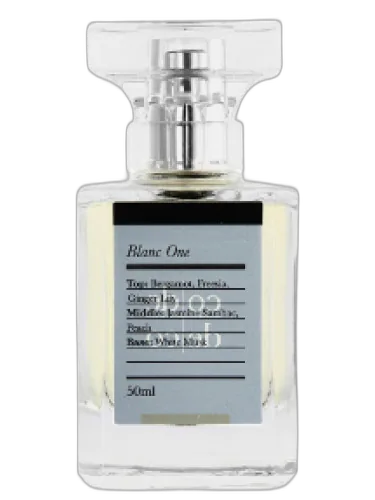
Code Deco
Blanc One Code Deco
Shared top notes: bergamot, freesia