
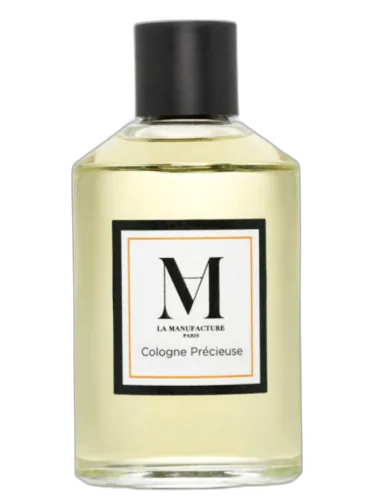

Cologne Precieuse La Manufacture
At a glance
Is Cologne Precieuse La Manufacture worth trying?
Cologne Precieuse by La Manufacture is a Floral Fruity fragrance for women and men.
- Best match
- Casual wear in Spring
- Performance feel
- Moderate longevity with Moderate sillage
- Signature profile
- citrus, fresh spicy, aromatic with Neroli, Rose, Bergamot
The first impression
Cologne Precieuse by La Manufacture is a Floral Fruity fragrance for women and men. Cologne Precieuse was launched in 2014. The nose behind this fragrance is Anne-Sophie Behaghel.
What shapes the scent
The perfumer behind it

Anne-Sophie Behaghel
Anne-Sophie Behaghel is a French perfumer known for her work with independent and niche fragrance houses. Her style often blends natural and synthetic elements to create bold, textural compositions with a modern edge. She has created distinctive scents for Adi Ale Van, including the floral-powdery Hai Hui Flower Power and the earthy Mioritic, as well as the mineral-driven Sel d'Argent for BDK Parfums. Her work continues to push boundaries in contemporary perfumery.
Notes pyramid
All Notes
Complete scent profile
 Neroli
 Rose
Rose
 Bergamot
 Basil
Basil
 Musk
Musk
The mood it creates
The Lover Archetype: Portrait of Cologne Precieuse La Manufacture
Essence
To wear Cologne Precieuse La Manufacture is to engage in a quiet but deliberate act of transformation. This fragrance-earthy, herbal, subtly medicinal-speaks of a person who does not merely exist in the world but seeks to refine it, to distill meaning from the raw materials of life. They are an Alchemist, one who transmutes the ordinary into the extraordinary through patience, precision, and an almost obsessive pursuit of essence.
Their tastes are not loud, but they are exacting. They prefer the understated elegance of well-worn leather, linen that softens with time, and the muted glow of aged brass. Their home is a sanctuary of curated simplicity-each object chosen not for ostentation but for its quiet integrity. Books line their shelves, not as trophies of intellect but as tools for understanding. They drink tea brewed to the exact temperature, savoring the ritual as much as the flavor.
Philosophy is not an abstract exercise for them; it is lived. They believe in the alchemy of small acts-how a carefully prepared meal, a thoughtfully composed letter, or the right scent can elevate the mundane into something sacred. They value authenticity above all, despising the cheap imitation, the hurried compromise. Their relationships are few but deep, built on mutual respect for depth rather than the superficial bonds of social convenience.
Shadow
Yet the Alchemist’s pursuit of purity can become their undoing. Their insistence on the ideal may blind them to the beauty of the imperfect, the spontaneous, the unrefined. They risk becoming the hermit in their workshop, so consumed by their craft that they forget to live. Relationships may suffer under their exacting standards-few can meet their expectations, and they may withdraw rather than accept human flaws.
There is a danger, too, in their disdain for the vulgar. They may grow contemptuous of those who do not share their sensibilities, dismissing the uninitiated as crude or unworthy. This elitism, however subtle, isolates them. Their quest for the absolute can become a form of arrogance, a belief that only they possess the key to true understanding.
Conclusion
The Alchemist’s strength lies in their ability to see potential where others see only raw material. They are the quiet artisan, the unseen craftsman who polishes imperfections until they become virtues. Their life is a testament to the belief that refinement is not about luxury but about essence-stripping away the unnecessary to reveal the true nature of things.
They are drawn to the past, not out of nostalgia, but because they recognize that some truths are timeless. Old-world techniques-distillation, fermentation, slow craftsmanship-resonate with them. They may be a writer who revises a single sentence for hours, a chef who sources ingredients with monastic devotion, or a perfumer who blends oils until they achieve the perfect harmony. Their work is never finished, only abandoned when it reaches a state of near-perfection.
If you like this, try these
Fragrances with a comparable profile - shared accords, notes, and character.
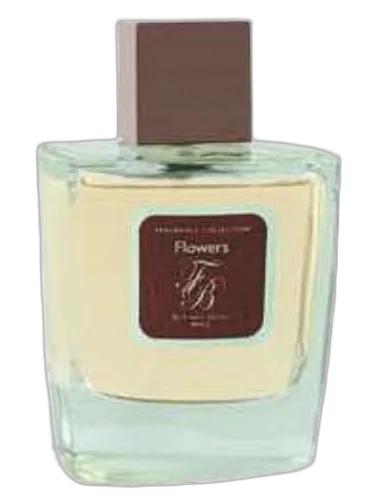
Franck Boclet
Flowers Franck Boclet
Shared top notes: basil, bergamot

Yves Rocher
Bloom In Love Yves Rocher
Shared top notes: bergamot, neroli
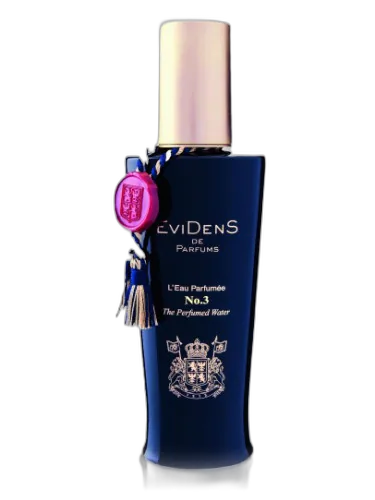
Evidens de Beaute
L'eau Parfumée No. 3 Escale En Orient Evidens De Beaute
Shared top notes: bergamot, neroli, rose
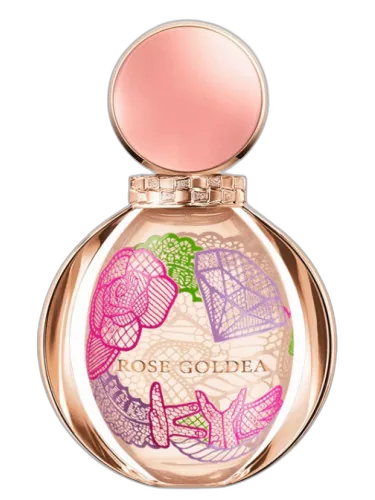
Bvlgari
Rose Goldea Kathleen Kye Edition Bvlgari
Shared top notes: bergamot, musk, rose
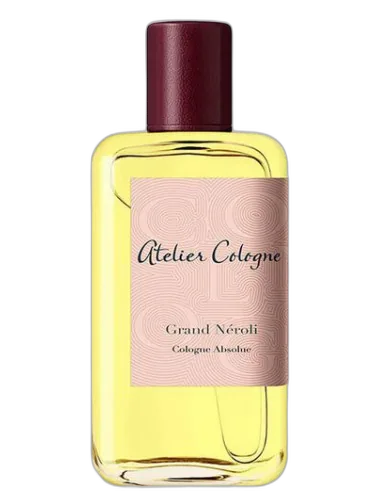
Atelier Cologne
Grand Neroli Atelier Cologne
Shared top notes: bergamot, neroli