
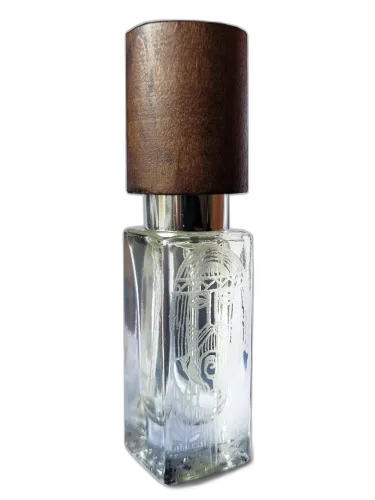

Leshy Леший Ladanika
At a glance
Is Leshy Леший Ladanika worth trying?
Leshy Леший by Ladanika is a Woody fragrance for women and men.
- Best match
- Casual wear in Fall
- Performance feel
- Good longevity with Moderate sillage
- Signature profile
- earthy, woody, mossy with Dried Fallen Leaves, Earthy Notes, Mushroom
The first impression
Leshy Леший by Ladanika is a Woody fragrance for women and men. This is a new fragrance. Leshy Леший was launched in 2023. The nose behind this fragrance is Dmitry Pashenko. Top notes are Dried Fallen Leaves, Earthy Notes and Mushroom; middle notes are Patchouli, Walnut and Nutty Notes; base notes are Oakmoss, Vetiver, Suede, Amber, Maple sap and Musk.
What shapes the scent
The perfumer behind it

Dmitry Pashenko
Dmitry Pashenko is a perfumer associated with the Ladanika brand, creating the fragrance Leshy Леший. This scent draws on natural and woody elements, reflecting a connection to forest and folklore themes. Pashenko's work emphasizes traditional Russian perfumery influences.
Notes pyramid
Top Notes
First impression · 15-30 min
 Dried Fallen Leaves
 Earthy Notes
 Mushroom
Heart Notes
Core character · 2-4 hours
 Patchouli
 Walnut
 Nutty Notes
Base Notes
Lasting impression · 4+ hours
 Oakmoss
 Vetiver
 Suede
Suede
 Amber
Amber
 Maple sap
 Musk
Musk
The mood it creates
The Mystic Archetype: Portrait of Leshy Леший Ladanika
Essence
Leshy Леший embodies the Mystic archetype, a guardian of liminal spaces where earth and spirit intertwine. The fragrance's damp leaves, mushroom, and oakmoss evoke a figure who moves between worlds, attuned to the whispers of the forest floor. Their presence is neither fully human nor entirely wild, but something woven from both.
Patchouli and vetiver root them in the physical, while maple sap and amber suggest a hidden sweetness-like offerings left at the base of an ancient tree. They are a shapeshifter, equally at home in decay and regeneration.
Style & Aesthetic
They wear layers of textured wool and linen, garments that seem to gather moss over time. Their accessories are carved from walnut or bone, each piece holding a story. Their home is filled with dried botanicals, tinctures in amber glass, and shelves of leather-bound grimoires.
Light filters through their space in dappled patterns, as if the outside forest refuses to be kept at bay. Every object feels chosen, not for beauty alone, but for its resonance with some deeper current.
Philosophy & Values
They believe in the intelligence of rot-that breakdown precedes renewal. Their spirituality is tactile, grounded in mycelial networks and the slow turning of seasons. They mistrust dogma but revere the cyclical: the fall of leaves, the return of mushrooms after rain.
For them, wisdom isn't something to claim but to witness. They listen more than they speak, and their few words often arrive like riddles wrapped in earth scent.
Relationships
They attract those seeking initiation-not into any formal tradition, but into a more porous way of being. Lovers find them elusive; just when one thinks they've grasped them, they dissolve like mist over wet bark.
Their closest bonds are with fellow wanderers of thresholds: herbalists, foragers, those who collect stories at crossroads. Even these relationships thrive on spaciousness, on the understanding that some paths must be walked alone.
Lifestyle
Their days follow no conventional rhythm. They might spend hours tracing the veins of a single leaf or walking barefoot through dew-heavy grass at midnight. Work is seasonal-crafting tinctures, leading mushroom identification walks, binding books with handmade paper.
They keep odd hours, often waking before dawn to watch the light change. Meals are simple but intentional: wild greens, fermented things, nuts cracked slowly between teeth.
Shadow
Their liminal nature can tip into isolation, mistaking solitude for sacredness. Sometimes they forget to return from the edges, leaving practical needs untended. Others may perceive them as withholding when they're simply elsewhere, knee-deep in some unseen stream.
There's a danger, too, in romanticizing decay-ignoring that some wounds do not transform but fester.
Conclusion
Leshy Леший is for those who find cathedrals in cedar groves and liturgies in leaf mold. It speaks of a mysticism that stains the fingertips, that requires getting lost in the woods to be found. Wear it when you need to remember that even in endings, there's the musk of something waiting to begin.
If you like this, try these
Fragrances with a comparable profile - shared accords, notes, and character.

Dior
Eau Sauvage Dior
Shared heart notes: patchouli

In The Box
Eau De Sauvegy In The Box
Shared heart notes: patchouli
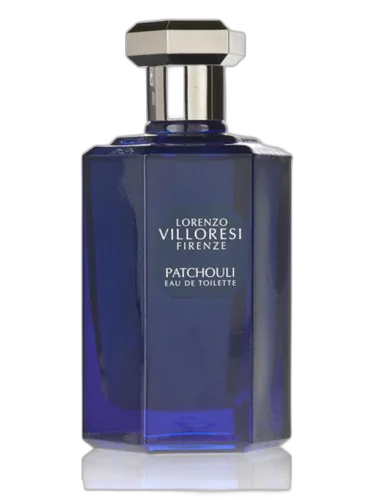
Lorenzo Villoresi
Patchouli Lorenzo Villoresi
Shared heart notes: patchouli
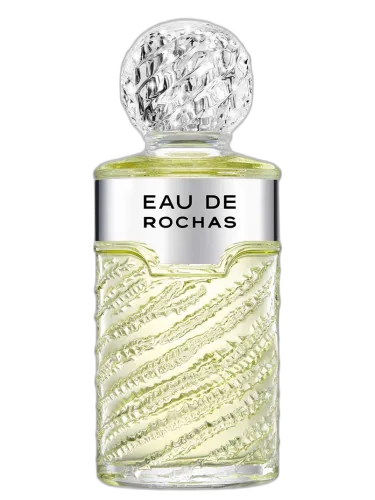
Rochas
Eau De Rochas Rochas
Shared heart notes: patchouli

JAN BARBA
Aiyoku Jan Barba
Shared heart notes: patchouli