
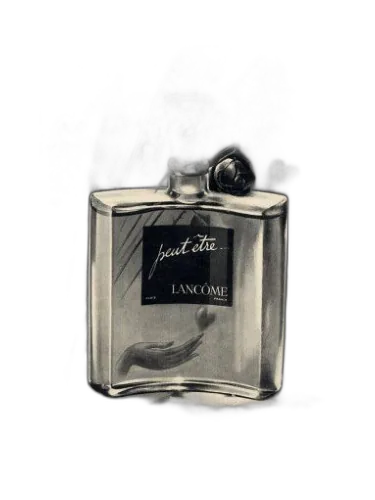

Peut-être (1937) Lancôme
At a glance
Is Peut-être (1937) Lancôme worth trying?
Peut-être (1937) by Lancôme is a Oriental Floral fragrance for women.
- Best match
- Evening, Special Occasion wear in Fall, Winter
- Performance feel
- Good longevity with Moderate sillage
- Signature profile
- powdery, woody, white floral with Lilac, Lily-of-the-Valley, Neroli
The first impression
Peut-être (1937) by Lancôme is a Oriental Floral fragrance for women. Peut-être (1937) was launched in 1936. The nose behind this fragrance is Armand Petitjean. Top notes are Lilac, Lily-of-the-Valley and Neroli; middle notes are Orris, Orange Blossom, Grasse Rose, Heliotrope and Cinnamon; base notes are Musk, Benzoin, Tonka Bean, Sandalwood, Cedar and Vetiver.
What shapes the scent
The perfumer behind it

Armand Petitjean
Armand Petitjean was a French perfumer and the founder of Lancôme, establishing the house in 1935. His olfactory style was characterized by elegant, complex florals and sophisticated chypre structures that defined classic French perfumery. He created early Lancôme icons such as Conquête, Envol, Magie, and Peut-être, each showcasing his mastery of balanced, timeless compositions. Petitjean’s work laid the foundation for Lancôme’s enduring reputation in luxury fragrance.
Notes pyramid
Top Notes
First impression · 15-30 min
 Lilac
Lilac
 Lily-of-the-Valley
 Neroli
Heart Notes
Core character · 2-4 hours
 Orris
Orris
 Orange Blossom
Grasse Rose
Orange Blossom
Grasse Rose
 Heliotrope
 Cinnamon
Base Notes
Lasting impression · 4+ hours
 Musk
Musk
 Benzoin
 Tonka Bean
 Sandalwood
 Cedar
Cedar
 Vetiver
The mood it creates
The Mystic Archetype: Portrait of Peut-être (1937) Lancôme
Essence
The Mystic archetype embodies a bridge between the earthly and the ethereal, a seeker of hidden truths veiled in beauty. Peut-être (1937) mirrors this duality with its powdery orris and heliotrope floating above warm spices and musky woods. Like a whispered incantation, it balances the luminous delicacy of lilac and neroli with the depth of benzoin and vetiver, creating a scent that feels both ephemeral and grounded.
Style & Aesthetic
They favor timeless elegance with a touch of intrigue-vintage lace gloves, velvet-lined jewelry boxes, and candlelit dressing tables. Their wardrobe leans toward muted jewel tones and fabrics that catch the light subtly, like raw silk or chiffon. The aesthetic is refined but never ostentatious, with an air of quiet mystery.
Philosophy & Values
For the Mystic, beauty is a language of the unseen. They believe in the power of intuition and the sacredness of small rituals-burning incense, pressing flowers into books, or tracing constellations on windowpanes. Their values revolve around depth over immediacy, finding meaning in the spaces between words and gestures.
Relationships
They draw others in with their enigmatic presence, though few truly unravel their layers. Romantic connections are intense but fleeting, often tinged with melancholy. Friendships are built on shared silences rather than chatter, with kindred spirits who appreciate the unspoken.
Lifestyle
Their days are punctuated by solitary walks at dusk and stolen hours in antique bookshops. Evenings might involve deciphering tarot cards or composing letters in fading ink. They thrive in spaces that feel slightly out of time-a Parisian attic apartment or a countryside chapel repurposed as a studio.
Shadow
Their reverence for the elusive can tip into escapism, avoiding the mundane until reality feels foreign. The Mystic risks becoming a spectator of their own life, mistaking nostalgia for living. The cinnamon’s warmth warns against losing oneself in daydreams.
Conclusion
Peut-être (1937) is a bottled reverie-a fragrance for those who dwell in the liminal. Like the Mystic, it lingers in the mind long after the last trace of musk fades, a reminder that some truths are best felt, not named.
If you like this, try these
Fragrances with a comparable profile - shared accords, notes, and character.
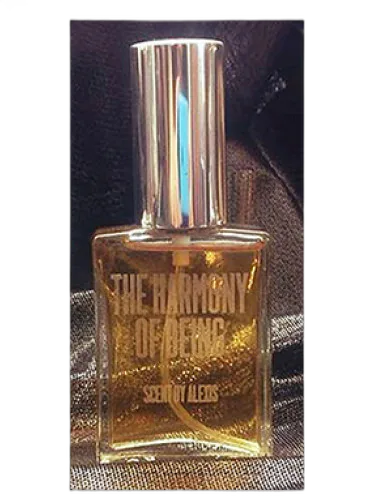
Scent by Alexis
The Harmony Of Being Scent By Alexis
Shared top notes: lilac, lily-of-the-valley, neroli
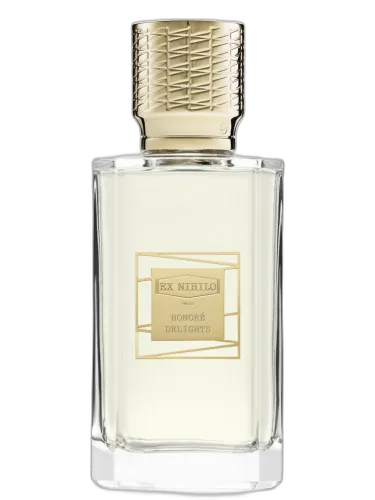
Ex Nihilo
Honoré Delights Ex Nihilo
Shared top notes: neroli
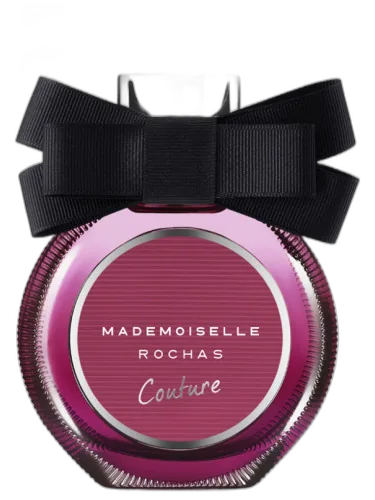
Rochas
Mademoiselle Rochas Couture Rochas
Shared heart notes: heliotrope, orange blossom
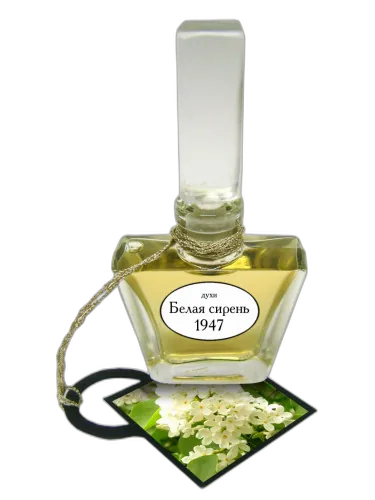
Art Deco Perfumes
Belaya Siren 1947 Белая Cирень 1947 Art Deco Perfumes
Shared top notes: neroli
Burberry
Burberry Brit Rhythm Burberry
Shared top notes: neroli