

Tubéreuses Castane Lancôme
Fragrance Story
Tubéreuses Castane by Lancôme is a Floral fragrance for women and men. Tubéreuses Castane was launched in 2016. The nose behind this fragrance is Shyamala Maisondieu.
Composition Profile
About the Perfumer

Shyamala Maisondieu
Shyamala Maisondieu is a French perfumer known for her work with brands like 27 87, Carner Barcelona, and Aquolina. She trained at Givaudan and has created fragrances that often blend natural and synthetic elements. Her compositions for Carner Barcelona, including Besos and Costarela, showcase her ability to craft both fresh and warm scents. Maisondieu's style is versatile, ranging from playful to sophisticated.
Fragrance Notes
All Notes
Complete scent profile
 Tuberose
 Chestnut
 Tonka Bean
Tubéreuses Castane Lancôme by Lancôme offers a distinctive olfactory experience that stands out from other fragrances in its category.
Crafted with the finest ingredients and a blend of traditional and modern perfumery techniques, this fragrance represents the pinnacle of the perfumer's art.
Tubéreuses Castane Lancôme embodies the distinctive style of Lancôme while adding a unique chapter to their fragrance portfolio.
Character Profile
The Enchantress Archetype: Portrait of Tubéreuses Castane Lancôme
Essence
The person who cherishes Tubéreuses Castane by Lancôme is ruled by the Enchantress archetype, a figure of magnetic allure, depth, and transformation. Like the tuberose-a flower both intoxicating and mysterious-they wield an effortless sensuality, drawing others into their world with a quiet, hypnotic power. The Enchantress does not merely seduce; she transforms those who encounter her, leaving an imprint on their senses and psyche.
This archetype thrives in the liminal space between light and shadow, between the seen and the unseen. They are not merely beautiful; they are alchemical, turning ordinary moments into something poetic, even sacred. Yet, like all enchantments, theirs is a double-edged sword-capable of both elevation and entrapment.
Shadow
Yet the Enchantress is not without peril. Their magnetism can become a cage, their allure a mask. They may grow so accustomed to being desired that they forget how to be known. There is a danger of slipping into performance, of mistaking admiration for intimacy.
At their worst, they may manipulate without meaning to-drawing people in only to retreat, leaving others stranded in their wake. Their love of mystery can become evasion; their poetic nature can tip into melancholy or even self-indulgence. The very depth that makes them fascinating can also isolate them, as few can truly meet them in the labyrinth of their mind.
Conclusion
Their world is one of refined aesthetics, where every detail-fabric, fragrance, gesture-is chosen with deliberate artistry. They favor textures that whisper against the skin: silk, cashmere, crushed velvet. Their wardrobe is a curated gallery of muted opulence-deep greens, midnight blues, the occasional flash of gold. They do not follow trends; they haunt them, moving through fashion like a ghost through time.
Philosophically, they are drawn to the idea that reality is layered, that beneath the surface of things lies a deeper, more resonant truth. They might find solace in the works of Rilke or Pessoa, in the paintings of Klimt or Caravaggio-artists who understood that beauty is often inseparable from melancholy. They believe in the power of the unseen: intuition, dreams, the quiet pull of destiny.
Similar Fragrances
Fragrances with a comparable profile - shared accords, notes, and character.
Lancôme
Tubéreuses Castane Lancôme
Shared accords: amber, animalic, aromatic

Annindriya
Tipsy Tuberose Annindriya
Shared accords: animalic, aromatic, balsamic
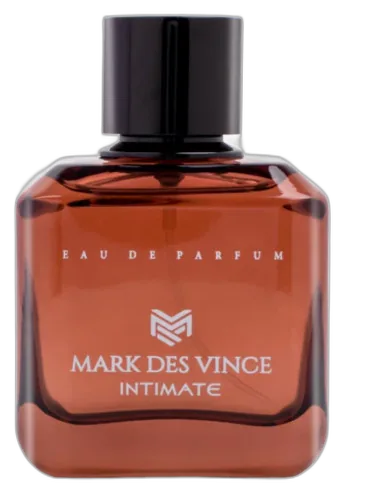
Mark Des Vince
Intimate Mark Des Vince
Shared accords: amber, sweet, tuberose
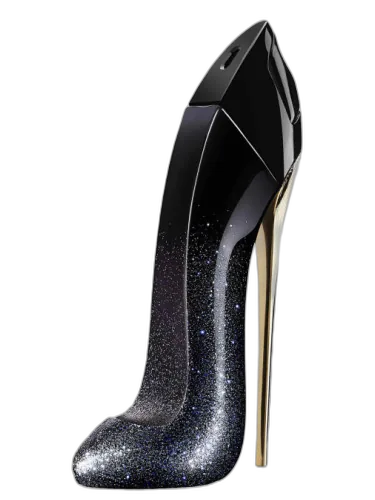
Carolina Herrera
Good Girl Suprême Carolina Herrera
Shared accords: amber, aromatic, sweet
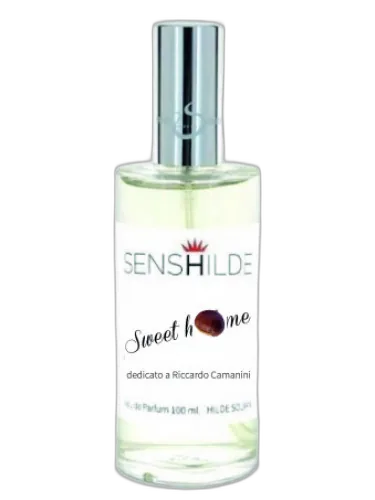
Hilde Soliani
Sweet Home Hilde Soliani
Shared accords: amber, balsamic, nutty