


Vetyver (2003) Lanvin
At a glance
Is Vetyver (2003) Lanvin worth trying?
Vetyver (2003) by Lanvin is a Woody Aromatic fragrance for men.
- Best match
- Casual wear in Fall
- Performance feel
- Good longevity with Moderate sillage
- Signature profile
- woody, citrus, aromatic with Lime, Juniper, Bergamot
The first impression
Vetyver (2003) by Lanvin is a Woody Aromatic fragrance for men. Vetyver (2003) was launched in 2003. Vetyver (2003) was created by François Robert and Lena Pierottie. Top notes are Lime, Juniper, Bergamot and Lemon; middle notes are Caraway, Nutmeg, Cloves, Bitter Orange and Jasmine; base notes are Vetiver, Cedar, Sandalwood, Amber and Musk.
What shapes the scent
The perfumer behind it

François Robert
François Robert is a perfumer who has created fragrances for Bex London, Charlotte Tilbury, and Friedemodin. His work for Bex London includes a series of scents named after London postal codes, such as Londoner EC2 and SW1X, each capturing a distinct urban character. Robert also composed Scent of a Dream for Charlotte Tilbury and the floral Jardin Mystique for Friedemodin, showing a range from sophisticated cityscapes to romantic gardens.
Notes pyramid
Top Notes
First impression · 15-30 min
 Lime
Lime
 Juniper
 Bergamot
 Lemon
Lemon
Heart Notes
Core character · 2-4 hours
 Caraway
 Nutmeg
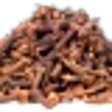 Cloves
 Bitter Orange
 Jasmine
Base Notes
Lasting impression · 4+ hours
 Vetiver
 Cedar
Cedar
 Sandalwood
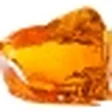 Amber
Amber
 Musk
Musk
The mood it creates
The Sage Archetype: Portrait of Vetyver (2003) Lanvin
Essence
The person who cherishes Vetyver (2003) by Lanvin is most closely aligned with the Sage-the seeker of truth, the quiet observer, the one who distills wisdom from experience. Vetiver, with its earthy, smoky, and slightly bitter depth, mirrors this archetype: it is not a fragrance that demands attention but one that lingers, revealing itself slowly, like a well-worn book or a carefully considered thought. The Sage does not chase trends; they cultivate authenticity, preferring substance over spectacle.
Style & Aesthetic
Their wardrobe is minimal but intentional-tailored but never flashy, favoring textures that age well: worn leather, heavy linen, wool that softens with time. They prefer muted tones-charcoal, olive, deep brown-colors that do not shout but endure. Their home is sparse but meaningful: a well-curated bookshelf, a single piece of art that carries weight, a record player spinning jazz or classical compositions that reward patience.
They are not anti-social, but they are selective. A crowded party drains them; a conversation with one or two kindred spirits nourishes them for weeks.
They rise early, savoring the quiet of dawn with black coffee and a book. Their work is something they believe in, not just a means to an end-perhaps a writer, an academic, a craftsman, or a consultant whose advice is sought precisely because they do not seek approval. They are drawn to rituals: the methodical preparation of tea, the deliberate choice of a pen, the act of walking without distraction.
But their discipline can harden into rigidity. They may disdain those who live more loosely, forgetting that wisdom also requires surrender, not just control.
Philosophy & Values
This individual values clarity, independence, and intellectual rigor. They are drawn to the Stoics, to Nietzsche’s call for self-overcoming, and to the quiet rebellion of thinkers like Camus. They believe in self-possession-not in the sense of arrogance, but in the discipline of knowing oneself deeply. Their morality is not rigid but fluid, shaped by observation rather than dogma.
Yet, their strength-discernment-can become their shadow. They may grow overly detached, mistaking skepticism for wisdom, withdrawing into their mind as a fortress. At their worst, they risk becoming the Hermit, so committed to their solitude that they forget the warmth of human folly.
Relationships
They are loyal but not clingy, valuing depth over quantity in friendships. Romantic partners must respect their need for solitude; they will not suffocate another with demands, but they also will not tolerate neediness. Their love is steady, like the slow burn of vetiver-not explosive but enduring.
Yet, their shadow emerges here too: they can be emotionally reserved, mistaking detachment for strength. They may rationalize their way out of vulnerability, believing that to need another is weakness. This can leave them isolated, even as they pride themselves on self-sufficiency.
Shadow
At their best, they are a grounding force, the person others turn to when the world feels chaotic. At their worst, they are a closed system, mistaking their own introspection for superiority. The challenge for the Sage is to remember that wisdom is not just knowing-it is also feeling, connecting, and sometimes, letting go.
They are not perfect, nor do they wish to be. They simply wish to live deliberately, to leave a trace of thoughtfulness in their wake. And when they wear Vetyver, it is not a statement, but a whisper-one that lingers long after they have left the room.
If you like this, try these
Fragrances with a comparable profile - shared accords, notes, and character.

Rockford
Rockford Night Blue Rockford
Shared top notes: bergamot, lemon
Ormonde Jayne
Zizan Ormonde Jayne
Shared top notes: bergamot, juniper, lime
Franck Boclet
Vetiver Franck Boclet
Shared top notes: bergamot, lemon

Comme des Garcons
Energy C Lime Comme Des Garcons
Shared top notes: bergamot, lemon, lime
Sospiro Perfumes
Viola Sospiro Perfumes
Shared top notes: bergamot, juniper, lemon