
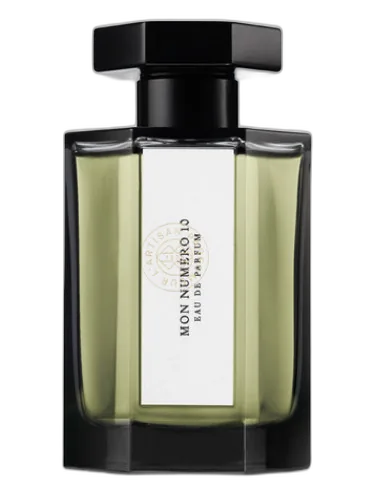
Mon Numero 10 L'artisan Parfumeur
Fragrance Story
Mon Numero 10 by L'Artisan Parfumeur is a Oriental fragrance for women and men. Mon Numero 10 was launched in 2011. The nose behind this fragrance is Bertrand Duchaufour. Top notes are Cinnamon, Cardamom, Pink Pepper, Cabreuva, Fennel, Aldehydes and Bergamot; middle notes are Incense, Leather, Geranium, Rose and Jasmine; base notes are Leather, Benzoin, Tonka Bean, Vanilla, Atlas Cedar, Hyrax, Heliotrope, Ambergris, Styrax and Musk.
Composition Profile
About the Perfumer

Bertrand Duchaufour
Bertrand Duchaufour is a renowned French perfumer with a prolific career spanning many brands. He has created fragrances for Acqua di Parma, including Blu Mediterraneo - Cipresso Di Toscana and Colonia Assoluta, as well as for Aedes de Venustas, such as Café Tabac and Copal Azur. His style is known for its complexity and use of natural ingredients.
Fragrance Notes
Top Notes
First impression · 15-30 min
 Cinnamon
 Cardamom
 Pink Pepper
 Cabreuva
 Fennel
 Aldehydes
 Bergamot
Heart Notes
Core character · 2-4 hours
 Incense
 Leather
 Geranium
 Rose
Rose
 Jasmine
Base Notes
Lasting impression · 4+ hours
Leather
 Benzoin
 Tonka Bean
 Vanilla
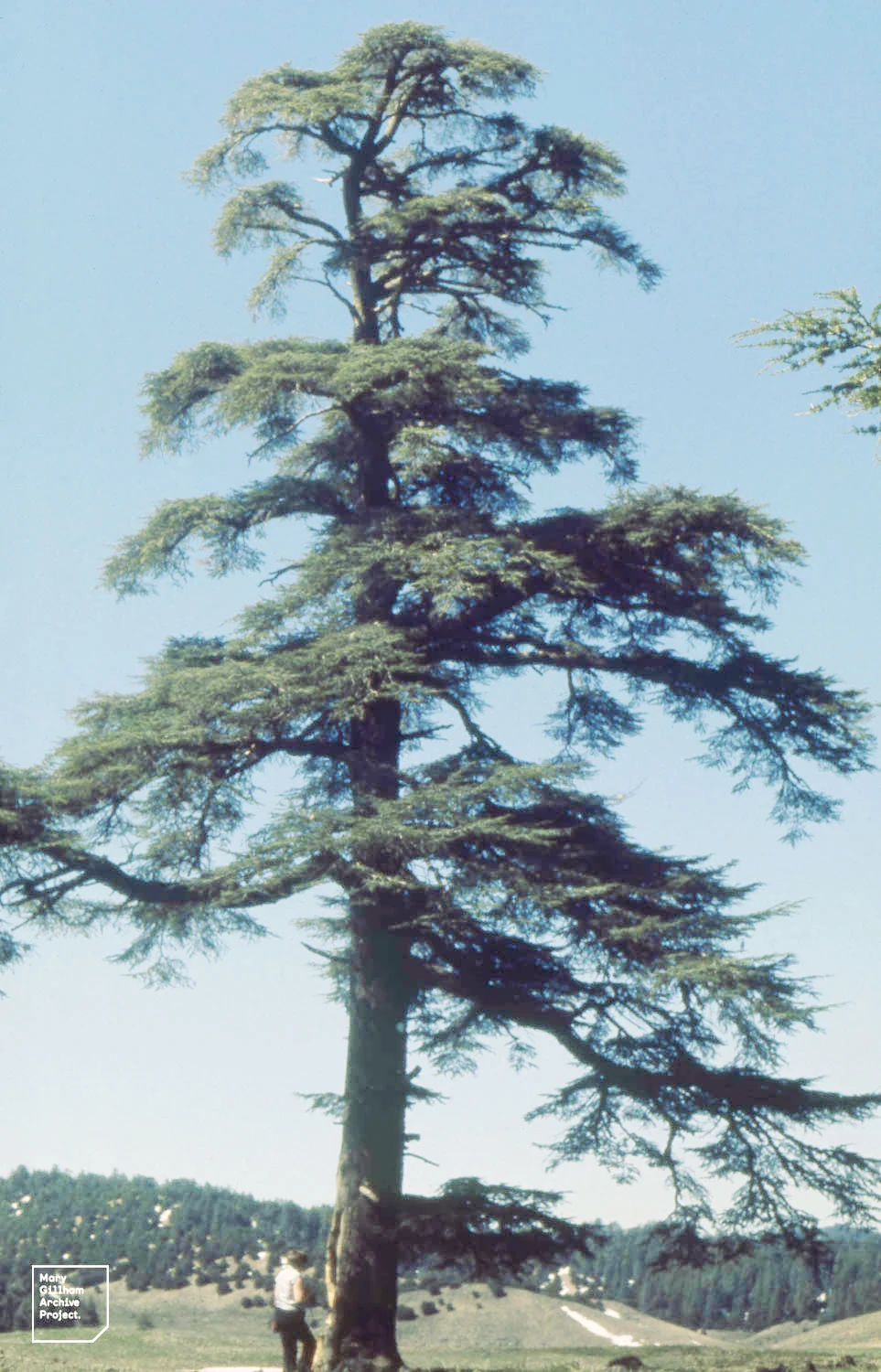 Atlas Cedar
 Hyrax
Hyrax
 Heliotrope
 Ambergris
 Styrax
 Musk
Musk
Mon Numero 10 L'artisan Parfumeur by L'Artisan Parfumeur offers a distinctive olfactory experience that stands out from other fragrances in its category.
Crafted with the finest ingredients and a blend of traditional and modern perfumery techniques, this fragrance represents the pinnacle of the perfumer's art.
Mon Numero 10 L'artisan Parfumeur embodies the distinctive style of L'Artisan Parfumeur while adding a unique chapter to their fragrance portfolio.
Character Profile
The Alchemist Archetype: Portrait of Mon Numero 10 L'artisan Parfumeur
Essence
The lover of Mon Numéro 10 by L’Artisan Parfumeur is, above all, an Alchemist-a seeker of transformation, a weaver of hidden meanings, and a connoisseur of the rare and enigmatic. This fragrance, with its interplay of smoky leather, powdery iris, and dark spices, is not for the passive wearer. It is an olfactory riddle, demanding attention without clamoring for it. The Alchemist understands this intuitively; they are drawn to the tension between refinement and rawness, between the ephemeral and the eternal.
Like the archetypal Alchemist, they are not content with surface beauty. They seek the prima materia-the raw essence-of experience, distilling life into something richer, stranger, more profound. Their mind is a crucible where contradictions fuse: intellect and intuition, discipline and spontaneity, austerity and sensuality.
Relationships
The Alchemist does not give themselves easily. Their relationships are slow-burning, built on unspoken understandings rather than grand declarations. They are drawn to people who possess their own depths-artists, scholars, those who have wrestled with their own shadows. Superficial charm repels them; they crave intellectual and emotional alchemy, the kind of bond that transforms both individuals.
Yet this very intensity can become their shadow. Their reluctance to reveal themselves fully may be mistaken for coldness. Their standards, both for themselves and others, can verge on the unforgiving. When disappointed, they retreat into solitude, refining their inner world at the expense of connection.
Shadow
Every strength has its inverse. The Alchemist’s perfectionism can become paralysis-an endless refining of ideas, never daring to release them into the world. Their love of depth can curdle into elitism, a quiet disdain for those who do not share their exacting tastes.
They may also struggle with melancholy, a byproduct of seeing too deeply. Where others find comfort in simplicity, they see only layers of meaning, some of them painful. Their introspection, while profound, can become a labyrinth with no exit.
Conclusion
Their tastes are deliberate, never accidental. They might be drawn to dark academia-leather-bound books, dimly lit libraries, the scent of ink and parchment-or to the sleek minimalism of modernist design, where every object carries weight. They appreciate Japanese aesthetics, where emptiness holds meaning, and Gothic architecture, where shadows are as vital as light.
In philosophy, they are drawn to thinkers who embrace paradox: Nietzsche’s will to power tempered by fragility, Camus’s absurdity paired with defiance, or Jung’s shadow work. They do not seek answers so much as they seek better questions.
Their style is an extension of this duality. They might wear tailored black with a single, unexpected flourish-a vintage pocket watch, a ring with an obscure symbol. Their wardrobe is curated, never cluttered, each piece chosen for its texture, its history, its ability to tell a story without words.
Similar Fragrances
Fragrances with a comparable profile - shared accords, notes, and character.

Trussardi
Trussardi Amber Oud Trussardi
Shared accords: amber, animalic, aromatic
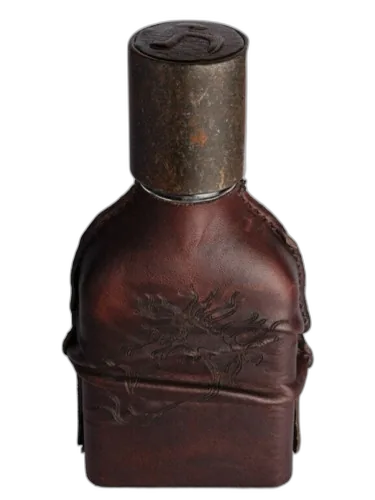
Orto Parisi
Cuoium Orto Parisi
Shared accords: amber, animalic, aromatic

biehl parfumkunstwerke
Al02 Biehl Parfumkunstwerke
Shared accords: amber, aromatic, balsamic

Parfumerie Particulière
Type Writer Parfumerie Particulière
Shared accords: amber, animalic, balsamic
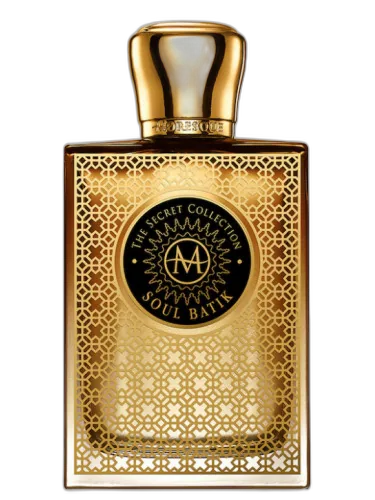
Moresque
Soul Batik Moresque
Shared accords: amber, aromatic, balsamic