
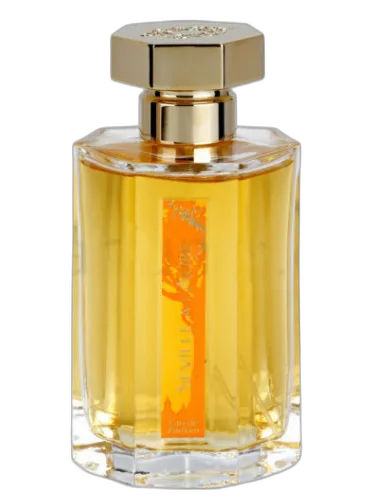
Seville A L'aube L'artisan Parfumeur
Fragrance Story
Seville a l'Aube by L'Artisan Parfumeur is a Oriental Floral fragrance for women and men. Seville a l'Aube was launched in 2012. The nose behind this fragrance is Bertrand Duchaufour. Top notes are Petitgrain and Olive Blossom; middle notes are Orange Blossom, Beeswax, Lavender, Tobacco and Jasmine; base notes are Benzoin and Olibanum.
Composition Profile
About the Perfumer

Bertrand Duchaufour
Bertrand Duchaufour is a renowned French perfumer with a prolific career spanning many brands. He has created fragrances for Acqua di Parma, including Blu Mediterraneo - Cipresso Di Toscana and Colonia Assoluta, as well as for Aedes de Venustas, such as Café Tabac and Copal Azur. His style is known for its complexity and use of natural ingredients.
Fragrance Notes
Top Notes
First impression · 15-30 min
 Petitgrain
 Olive Blossom
Heart Notes
Core character · 2-4 hours
 Orange Blossom
 Beeswax
 Lavender
 Tobacco
 Jasmine
Base Notes
Lasting impression · 4+ hours
 Benzoin
Olibanum
Benzoin
Olibanum
Seville A L'aube L'artisan Parfumeur by L'Artisan Parfumeur offers a distinctive olfactory experience that stands out from other fragrances in its category.
Crafted with the finest ingredients and a blend of traditional and modern perfumery techniques, this fragrance represents the pinnacle of the perfumer's art.
Seville A L'aube L'artisan Parfumeur embodies the distinctive style of L'Artisan Parfumeur while adding a unique chapter to their fragrance portfolio.
Character Profile
The Seeker Archetype: Portrait of Seville A L'aube L'artisan Parfumeur
Essence
This person is most closely aligned with the Mystic-a seeker of transcendence, drawn to the liminal spaces between the sacred and the sensual. The fragrance Seville A L'aube-with its intoxicating blend of orange blossom, incense, and beeswax-evokes a ritualistic, almost ceremonial aura. Like the Mystic, they are not content with surface pleasures; they crave depth, meaning, and the fleeting moments where beauty brushes against the divine.
Their life is a pilgrimage toward illumination, though not always in the traditional sense. They are not a monk or a hermit, but rather someone who finds the sacred in the sensory-whether in the golden light of dawn, the hum of a crowded café, or the quiet intensity of a lover’s gaze.
Style & Aesthetic
Their tastes are an exquisite paradox-opulent yet restrained, decadent yet disciplined. They might wear a perfectly tailored linen shirt, slightly rumpled, as if they’ve just returned from a journey. Their home is a sanctuary of textures: rough-hewn wood, aged brass, the faintest trace of incense clinging to velvet drapes.
They are drawn to art that blurs boundaries-Baroque religious paintings, Persian poetry, flamenco music that throbs with both sorrow and ecstasy. Their bookshelf holds Rumi beside Nietzsche, Bataille beside Woolf. They do not consume culture passively; they interrogate it, searching for the hidden pulse beneath the words and images.
They are neither fully rooted nor entirely untethered. They may keep a small apartment in an ancient city-Seville, perhaps, or Istanbul-where the streets hum with history. But they disappear for weeks, chasing an obscure festival in Morocco or a silent retreat in the mountains.
Their work, if they have conventional employment at all, is merely a means to fund their quest. They might be a translator of mystical texts, a curator of esoteric art, a perfumer chasing the perfect accord. Routine suffocates them, yet without structure, they risk dissolving into pure sensation.
Philosophy & Values
For them, life is not a problem to be solved but a mystery to be lived. They reject the binary of sacred and profane, finding holiness in the curve of a lover’s hip, the bitterness of black coffee, the sweat of a dance floor at midnight. Their philosophy is one of radical presence-an insistence on feeling everything, even when it burns.
Yet this intensity is not without cost. Their pursuit of transcendence can slip into escapism, their love of beauty into aestheticism. They may disdain the mundane, dismissing practical concerns as beneath them-until reality forces its way in, demanding rent be paid, commitments honored.
Relationships
They love fiercely but ephemerally. Their relationships are like the fragrance they wear-intoxicating at first, then fading into memory. They are drawn to those who mirror their own depth: the poet with haunted eyes, the dancer whose body speaks in tongues, the philosopher who debates God over cheap wine.
But their shadow emerges in their reluctance to settle, to endure the slow burn of ordinary love. They crave the ecstatic moment, the lightning strike of connection-yet flee when the fire dims to embers. Their partners may accuse them of emotional nomadism, of loving the idea of love more than the person before them.
Shadow
The Mystic’s greatest danger is the seduction of their own depth. They may become lost in their inner world, mistaking introspection for wisdom, intensity for truth. Their disdain for the ordinary can curdle into arrogance, their eclecticism into dilettantism.
At their worst, they are a ghost in their own life-always chasing the next revelation, never fully inhabiting the present. They may burn too brightly, leaving only ashes in their wake.
Conclusion
Yet when balanced, they are alchemists-transmuting the raw material of existence into something luminous. They remind others that life is not merely to be endured but exalted. Their gift is their ability to find the sacred in the fleeting, to make even the smallest moment tremble with meaning.
They are not meant to be saints or ascetics. Their path is the middle way-between the temple and the tavern, the prayer and the kiss. And in that tension, they find their truest self.
Similar Fragrances
Fragrances with a comparable profile - shared accords, notes, and character.
L'Artisan Parfumeur
Seville A L'aube L'artisan Parfumeur
Shared accords: amber, animalic, aromatic
Lanvin
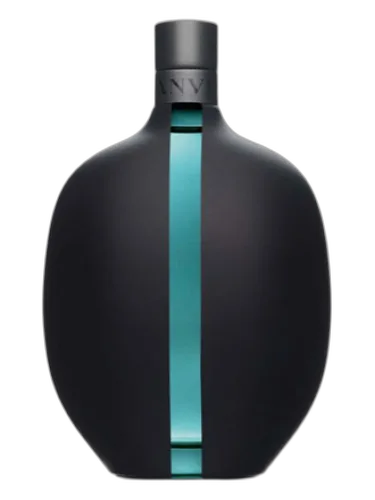
Avant Garde Lanvin
Shared accords: amber, animalic, aromatic

RPL
Xi Eau De Cologne Rpl
Shared accords: amber, aromatic, citrus
Ynepsie
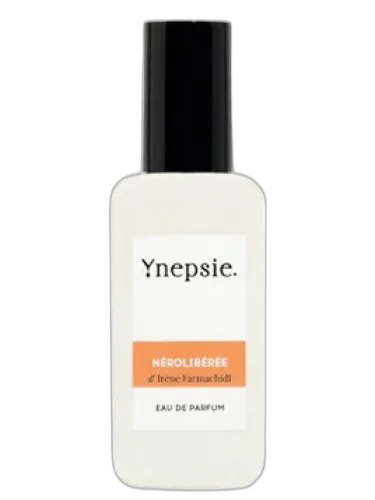
Néroliberée Ynepsie
Shared accords: animalic, aromatic, citrus
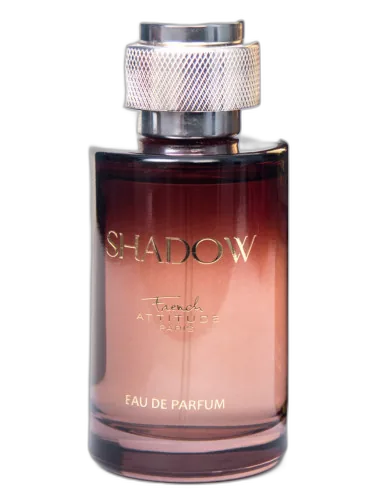
French Attitude
Shadow French Attitude
Shared accords: amber, animalic, aromatic