
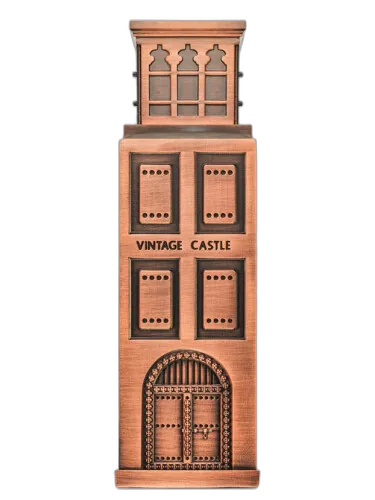

Niche Emarati Vintage Castle Lattafa Perfumes
At a glance
Is Niche Emarati Vintage Castle Lattafa Perfumes worth trying?
Niche Emarati Vintage Castle by Lattafa Perfumes is a fragrance for women and men.
- Best match
- Evening wear in Fall
- Performance feel
- Very Good longevity with Strong sillage
- Signature profile
- powdery, patchouli, woody with Patchouli (Green), Iris, Patchouli
The first impression
Niche Emarati Vintage Castle by Lattafa Perfumes is a fragrance for women and men. This is a new fragrance. Niche Emarati Vintage Castle was launched in 2024. Top notes are Patchouli (Green) and Iris; middle notes are Patchouli and Mimosa; base notes are Patchouli, Civet and Marshmallow.
What shapes the scent
The perfumer behind it

Abdul Majeed Al Nuaimi
Abdul Majeed Al Nuaimi is known for blending modern and traditional Emirati fragrance styles. His scents often showcase opulent amber, woody accords, and regional spices. He creates luxurious yet accessible perfumes that resonate with Middle Eastern heritage. His work for Lattafa Perfumes highlights his skill in crafting bold, memorable compositions.
Notes pyramid
Top Notes
First impression · 15-30 min
 Patchouli (Green)
 Iris
Iris
Heart Notes
Core character · 2-4 hours
 Patchouli
 Mimosa
Base Notes
Lasting impression · 4+ hours
Patchouli
 Civet
Civet
 Marshmallow
The mood it creates
The Sovereign Archetype: Portrait of Niche Emarati Vintage Castle Lattafa Perfumes
Essence
This person is most closely aligned with the Sage-a seeker of wisdom, drawn to the esoteric and the timeless. The Sage thrives on depth, tradition, and the subtle interplay of history and personal meaning. They are not merely collectors of knowledge but curators of experience, filtering life through an aesthetic and intellectual lens. The choice of Niche Emarati Vintage Castle Lattafa Perfumes reflects this: it is not a fragrance for the fleeting moment but for the connoisseur who appreciates the weight of heritage, the richness of unseen layers, and the quiet power of rarity.
Style & Aesthetic
Their tastes are deliberate, refined without ostentation. They favor the understated luxury of handcrafted leather goods, aged parchment, and dark woods-objects that carry the patina of time. In fragrance, they seek complexity: oud that smolders like ancient incense, spices that unfold like forgotten manuscripts, and florals that whisper rather than shout. Their wardrobe leans toward structured silhouettes-tailored jackets, flowing robes, or minimalist lines that suggest restraint rather than excess.
Their home is a sanctuary of curated artifacts-antique maps, well-worn books, perhaps a brass astrolabe resting on a walnut desk. They do not decorate for trends but for resonance, surrounding themselves with objects that tell a story.
Their days are structured but not rigid. Mornings might begin with black coffee and an hour of reading-poetry, philosophy, or histories of lost civilizations. Work, if they are fortunate, is a vocation rather than a job-perhaps a scholar, a perfumer, a curator, or a writer. Even in mundane professions, they carve out space for meaning, treating tasks as rituals rather than chores.
Travel is essential, but not for spectacle. They seek places where time moves differently-desert monasteries, crumbling libraries, spice markets at dawn. They are as comfortable in solitude as in company, finding equal richness in both.
Philosophy & Values
They believe in the intangibility of value-that true worth lies beyond the immediate and the obvious. Tradition is not dogma but a living thread they weave into modern existence. They are drawn to philosophies that balance reverence for the past with an insistence on personal interpretation-Sufi mysticism, Stoic discipline, or the quiet introspection of Zen.
Their morality is not rigid but fluid, shaped by contemplation rather than doctrine. They value patience, discernment, and depth of connection, but they distrust blind adherence to convention. For them, wisdom is not in knowing answers but in asking better questions.
Relationships
They are not gregarious but magnetic. Their presence is felt in quiet intensity rather than boisterous charm. Friendships are few but profound-they prefer the company of those who can sit in silence without discomfort, who understand that conversation need not fill every void.
Romantically, they are drawn to partners who mirror their depth. Superficiality repels them; they crave someone who can match their intellectual curiosity and appreciate the sacredness of solitude. Yet, their shadow may emerge here-aloofness mistaken for indifference, a reluctance to surrender control, or an over-intellectualization of emotion.
Shadow
The Sage’s greatest strength-their depth of thought-can become their prison. Their love of solitude may tip into isolation; their skepticism of the superficial may harden into disdain. They risk becoming too detached, too cerebral, losing touch with the raw, unpolished beauty of spontaneity.
At their worst, they may grow secretly arrogant, believing their refined tastes and contemplative nature make them superior. They might dismiss others as shallow without truly listening, forgetting that wisdom also requires humility.
Conclusion
When integrated, the Sage does not merely hoard knowledge but shares it-not as a lecturer but as a guide. Their love of the past does not trap them in nostalgia but enriches their present. Their fragrance, then, is not just a preference but a statement: they are keepers of the intangible, guardians of the subtle, and seekers of the eternal in the ephemeral.
They are not flawless, but they are aware-and in that awareness lies their redemption.
If you like this, try these
Fragrances with a comparable profile - shared accords, notes, and character.
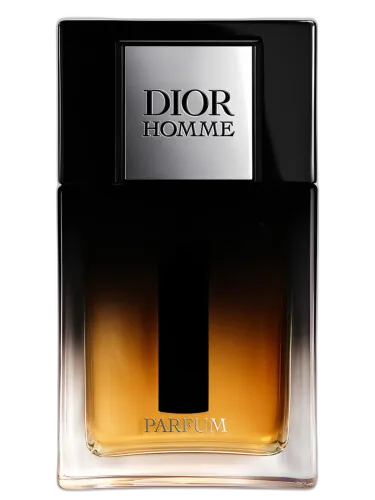
Dior
Dior Homme Parfum 2025 Dior
Shared top notes: iris

Marc Jacobs
Daisy Love Paradise Limited Edition Eau De Toilette Marc Jacobs
Shared top notes: iris
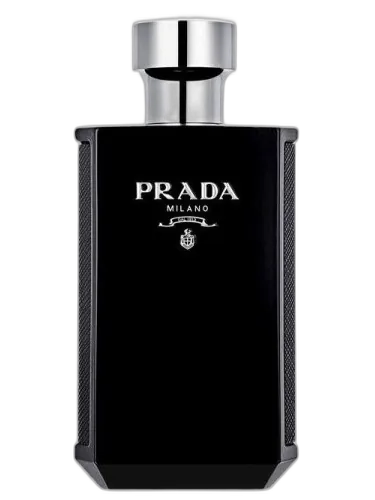
Prada
Prada L'homme Intense Prada
Shared top notes: iris

Ladanika
Vasilisa Prekrasnaya Василиса Прекрасная Ladanika
Shared heart notes: mimosa

Hugo Boss
Alive Absolu Hugo Boss
Shared heart notes: patchouli