
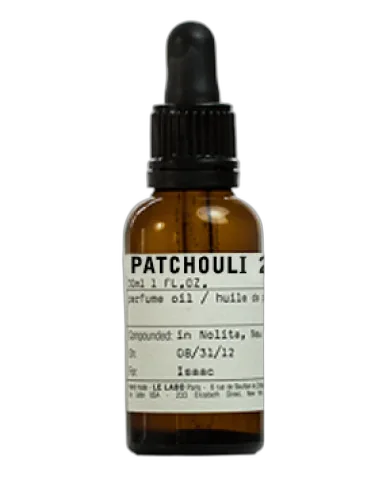
Patchouli 24 Perfume Oil Le Labo
At a glance
Is Patchouli 24 Perfume Oil Le Labo worth trying?
Patchouli 24 Perfume Oil by Le Labo is a Oriental fragrance for women and men.
- Best match
- Evening wear in Fall
- Performance feel
- Excellent longevity with Strong sillage
- Signature profile
- leather, vanilla, woody with Birch, Vanila, Styrax
The first impression
Patchouli 24 Perfume Oil by Le Labo is a Oriental fragrance for women and men. Patchouli 24 Perfume Oil was launched in 2012. The nose behind this fragrance is Annick Menardo.
What shapes the scent
The perfumer behind it

Annick Menardo
Annick Menardo is a French perfumer known for her work at Firmenich and her bold, modern compositions. She often blends gourmand, woody, and leathery accords, creating fragrances that are both striking and wearable. Her portfolio includes the rich, smoky Figment Man for Amouage and the sophisticated, floral-amber Portrayal Woman, as well as the iconic Azzaro Visit.
Notes pyramid
All Notes
Complete scent profile
 Birch
Birch
 Vanila
 Styrax
 Patchouli
The mood it creates
The Alchemist Archetype: Portrait of Patchouli 24 Perfume Oil Le Labo
Essence
This person is defined by the Alchemist, an archetype that seeks transformation-both within themselves and in the world around them. They are drawn to the raw, smoky intensity of Patchouli 24, a fragrance that blends burning birch tar, dark vanilla, and the earthy depth of patchouli. Like the alchemist of old, they are fascinated by the interplay of decay and rebirth, the sacred and the profane. They do not shy away from the shadowy corners of existence; instead, they embrace them, believing that beauty often lies in the unconventional, the unrefined, the almost-forbidden.
They are the person who lingers in museums long after closing, who reads poetry at 3 AM, who finds beauty in the scent of smoke and aged paper. Their life is not easy, nor is it meant to be. But it is vivid, deliberate, and unapologetically their own. Patchouli 24 is their signature because it mirrors their soul-dark, complex, and impossible to ignore.
Relationships
They do not have many friends, but the ones they keep are bound to them by something deeper than mere camaraderie. Their relationships are forged in late-night conversations about death, desire, and the alchemy of human connection. They are not afraid of silence, nor of discomfort-they see both as necessary for true intimacy.
Romantically, they are magnetic but demanding. They crave a partner who can match their intensity, someone unafraid of the darker currents of love. Their shadow here is a tendency toward emotional absolutism-they either give everything or withdraw entirely, leaving little room for the mundane compromises that sustain most relationships.
Shadow
For all their depth, they risk becoming prisoners of their own complexity. Their love for the esoteric can slip into elitism, their disdain for the superficial hardening into misanthropy. They may grow impatient with those who do not share their appetite for the abyss, dismissing simpler joys as naive. At their worst, they isolate themselves, mistaking solitude for wisdom and cynicism for insight.
Yet even in their isolation, they are not without hope. The Alchemist’s greatest gift is the ability to transform suffering into meaning. If they learn to temper their intensity with compassion, they become not just seekers of hidden truths but guides-helping others navigate the dark without losing themselves in it.
Conclusion
Their tastes are not for the faint of heart. They prefer the weight of leather-bound books, the texture of aged wood, the flicker of candlelight over sterile LEDs. Their home is a curated sanctuary-minimal yet rich, where every object carries meaning. A vintage apothecary cabinet might hold their collection of rare spices, dried botanicals, or small bones found on solitary walks. They wear mostly black, not out of melancholy, but because it is a canvas for depth-a way to let their presence be felt before they speak.
Philosophically, they are drawn to thinkers who challenge the status quo: Nietzsche for his embrace of chaos, Jung for his maps of the unconscious, Bataille for his reverence of excess and taboo. They believe that true wisdom comes from confronting what society deems ugly or uncomfortable. Their values are rooted in authenticity-not the performative kind, but the raw, sometimes unsettling honesty that forces others to question their own facades.
If you like this, try these
Fragrances with a comparable profile - shared accords, notes, and character.
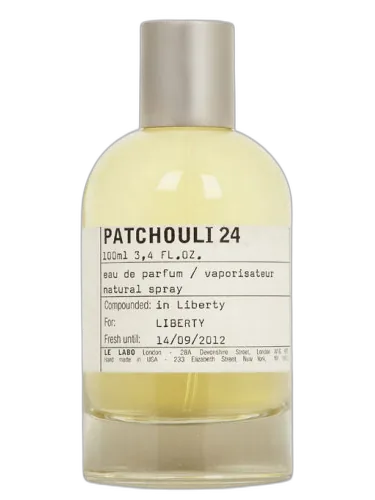
Le Labo
Patchouli 24 Le Labo
Shared top notes: patchouli

West Third Brand
Arabesque West Third Brand
Shared top notes: birch, patchouli
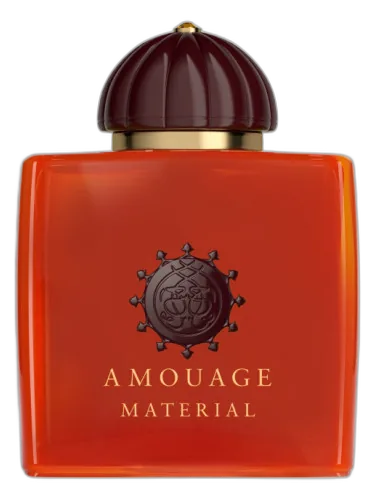
Amouage
Material Amouage
Shared top notes: patchouli
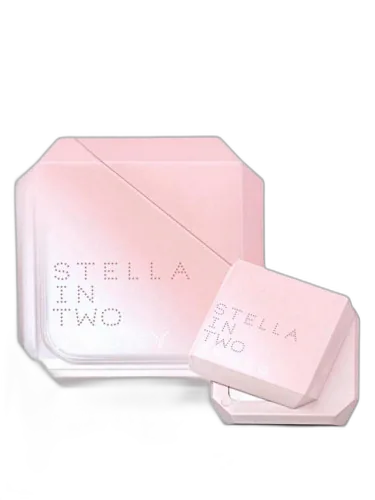
Stella McCartney
Stella In Two Amber Stella Mccartney
Shared top notes: patchouli
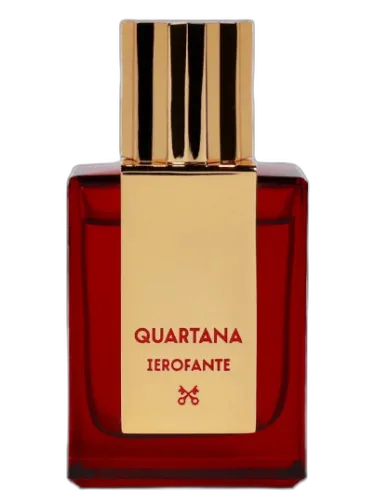
Parfums Quartana
Ierofante Parfums Quartana
Shared top notes: styrax