
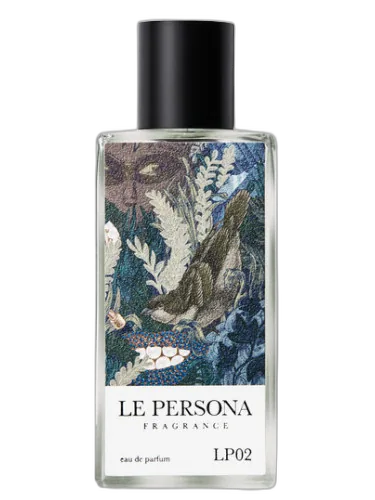

Lp02 Peacock Feather Le Persona
At a glance
Is Lp02 Peacock Feather Le Persona worth trying?
LP02 Peacock Feather by Le Persona is a Aromatic fragrance for women and men.
- Best match
- Special Occasion wear in Summer
- Performance feel
- Good longevity with Moderate sillage
- Signature profile
- citrus, coconut, sweet with Lime, Lemon, Bergamot
The first impression
LP02 Peacock Feather by Le Persona is a Aromatic fragrance for women and men. This is a new fragrance. LP02 Peacock Feather was launched in 2022. LP02 Peacock Feather was created by Frank Voelkl, Emilie Bevierre-Coppermann and Alain Allione. Top notes are Lime, Lemon and Bergamot; middle notes are Lavender, White Flowers and Jasmine; base notes are Coconut, Patchouli and Amber.
What shapes the scent
The perfumer behind it

Alain Allione
Alain Allione is a French perfumer known for his work with 12 Parfumeurs Francais, where he has created a diverse range of fragrances. His style balances classic elegance with modern sensibilities, often blending rich florals with warm, woody bases. Notable creations from our catalog include Intrigue De L’amour, La Destinee, and Le Charme, each reflecting his skill in crafting nuanced, wearable scents.
Notes pyramid
Top Notes
First impression · 15-30 min
 Lime
Lime
 Lemon
Lemon
 Bergamot
Heart Notes
Core character · 2-4 hours
 Lavender
 White Flowers
 Jasmine
Base Notes
Lasting impression · 4+ hours
 Coconut
 Patchouli
 Amber
Amber
The mood it creates
The Archetype Archetype: Portrait of Lp02 Peacock Feather Le Persona
Essence
The one who favors Lp02 Peacock Feather is most closely aligned with the Creator archetype-a soul driven by the need to manifest individuality, beauty, and innovation. Like the peacock, they are unafraid of bold expression, adorning themselves in the vivid hues of imagination. The Creator thrives on originality, shaping their world with an artist’s touch, whether through fashion, thought, or action. Yet, beneath the shimmer lies the tension of all creators: the fear of stagnation, the terror of being unseen, the shadow of vanity.
Relationships
In love and friendship, they are magnetic but elusive. They enchant with wit, charm, and an almost theatrical presence, yet their deepest self remains just out of reach-a paradox of warmth and reserve. They crave connection but fear absorption, wary of losing their distinctiveness in the expectations of others. Their partners must be both audience and co-creators, individuals who appreciate their brilliance without demanding conformity.
Yet here lies the shadow: their love of spectacle can slip into performativity. They may grow restless when relationships demand routine, mistaking depth for dullness. The challenge is to balance self-expression with vulnerability-to realize that true artistry flourishes not in isolation, but in the shared act of creation.
Shadow
The Creator’s brilliance casts a long shadow. Their relentless pursuit of originality can tip into self-indulgence, where every choice becomes a statement, every gesture a calculated display. They may dismiss tradition too hastily, mistaking rebellion for wisdom. At worst, they become the poseur-more concerned with perception than substance, mistaking the admiration of others for self-worth.
But the shadow is also where growth lies. When they embrace imperfection, when they allow themselves to be ordinary as well as extraordinary, they transcend the trap of their own image. The peacock’s feathers are not merely for display-they are also a part of its survival, its essence.
Conclusion
Their tastes are eclectic, drawn to the interplay of textures, scents, and ideas that defy convention. They might favor avant-garde fashion-structured yet fluid, blending vintage opulence with futuristic minimalism. Their home is a curated sanctuary, where every object tells a story: a Moroccan lantern casting intricate shadows, a well-worn book of poetry, a single peacock feather resting in a glass vase. Music is not merely heard but experienced-perhaps the haunting melodies of Björk or the layered compositions of Radiohead, sounds that mirror their own complexity.
Philosophically, they reject dogma, embracing instead a fluid worldview where truth is multifaceted. They are drawn to Nietzsche’s concept of self-overcoming, the idea that one must continually reinvent oneself to remain vital. Yet this very idealism can become a prison-when creation turns into compulsion, when the need to stand apart isolates them from the mundane but necessary rhythms of life.
If you like this, try these
Fragrances with a comparable profile - shared accords, notes, and character.
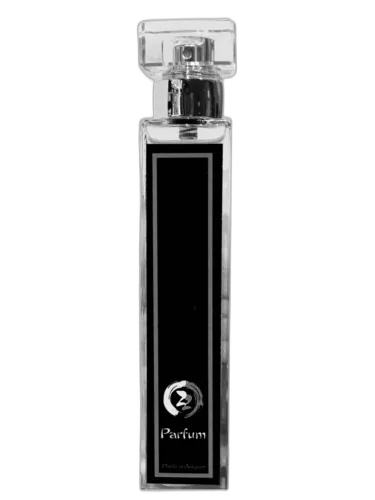
NeZ ZeN
Fougère Sauvage Nez Zen
Shared top notes: bergamot, lemon
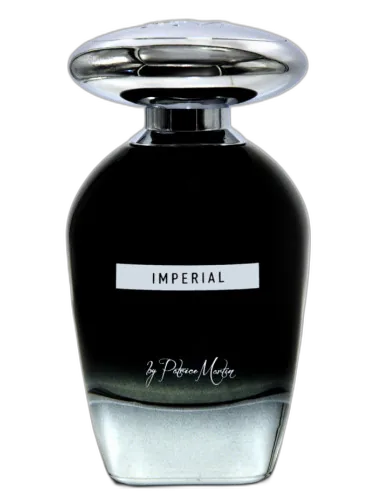
Patrice Martin
Imperial Patrice Martin
Shared top notes: bergamot, lemon

Fragrance Du Bois
London Spice Fragrance Du Bois
Shared top notes: bergamot, lemon

Comme des Garcons
Energy C Lime Comme Des Garcons
Shared top notes: bergamot, lemon, lime
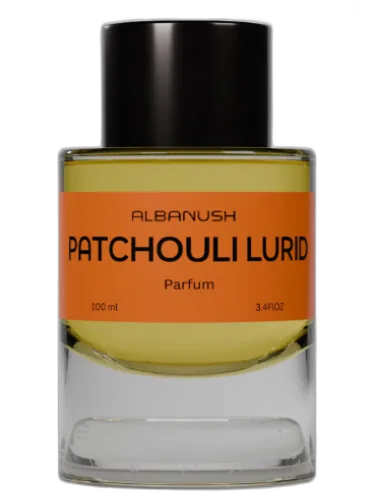
Albanush
Patchouli Lurid Albanush
Shared top notes: bergamot, lemon, lime