
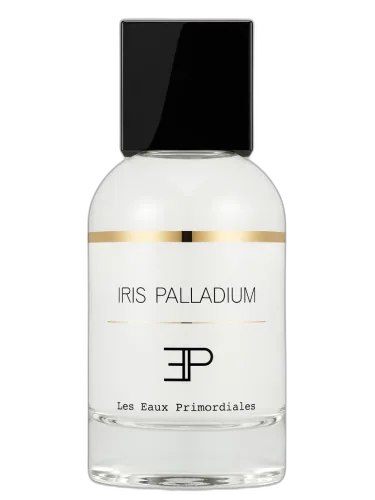
Iris Palladium Les Eaux Primordiales
At a glance
Is Iris Palladium Les Eaux Primordiales worth trying?
Iris Palladium by Les EAUX Primordiales is a Woody Floral Musk fragrance for women and men.
- Best match
- Evening wear in Fall
- Performance feel
- Good longevity with Moderate sillage
- Signature profile
- woody, powdery, warm spicy with Cardamom, Lavender, Cilantro
The first impression
Iris Palladium by Les EAUX Primordiales is a Woody Floral Musk fragrance for women and men. This is a new fragrance. Iris Palladium was launched in 2024. Iris Palladium was created by Amelie Bourgeois and Arnaud Poulain. Top notes are Cardamom, Lavender and Cilantro; middle notes are Iris, Mugwort and Violet; base notes are Sandalwood, Vanilla, Amber, Benzoin, Guaiac Wood and Cedar.
What shapes the scent
The perfumer behind it

Amelie Bourgeois
Amelie Bourgeois is a French perfumer known for her work with the niche houses Aether and Alexandre.J. Her style blends experimental, synthetic accords with natural elements, often exploring contrasts like citrus and musk or rose and alkanes. She created the Aether Oxyde and Carboneum compositions, as well as Alexandre.J’s Mandarine Sultane and Passion Bliss.
Notes pyramid
Top Notes
First impression · 15-30 min
 Cardamom
 Lavender
 Cilantro
Heart Notes
Core character · 2-4 hours
 Iris
Iris
 Mugwort
 Violet
Base Notes
Lasting impression · 4+ hours
 Sandalwood
 Vanilla
 Amber
Amber
 Benzoin
 Guaiac Wood
 Cedar
Cedar
The mood it creates
The Sage Archetype: Portrait of Iris Palladium Les Eaux Primordiales
Essence
The fragrance Iris Palladium from Les Eaux Primordiales is not a scent for the casual wearer. It is a paradox-both ethereal and grounding, delicate yet commanding. It does not announce itself with brashness, but lingers like an afterthought of wisdom, a whisper of something ancient and refined. The person who chooses this scent is drawn to its duality: the powdery softness of iris, the metallic coolness of palladium, the quiet depth of vetiver. They are not seduced by the obvious, but by the subtle, the rare, the intellectually intriguing.
This preference reveals a mind that values nuance, a soul that seeks meaning beneath the surface. They are not one to chase trends; they select what resonates with their inner world. Their choice in fragrance is an act of self-definition-a refusal to be easily categorized.
Shadow
Yet every archetype has its shadow, and the Sage is no exception. Their strength-their relentless pursuit of truth-can become a weakness when it isolates them from the messiness of human emotion. They may mistake detachment for wisdom, believing that to feel deeply is to lose control. Their skepticism can harden into cynicism, their discernment into elitism.
At their worst, they may dismiss those who do not meet their intellectual standards, forgetting that wisdom without compassion is merely cleverness in disguise. Their love of solitude can become a fortress, keeping others at a distance. And their obsession with precision may paralyze them-always analyzing, never acting.
But the true Sage recognizes this shadow and integrates it. They learn that knowledge is not just for the mind, but for the heart. They understand that wisdom must be lived, not just contemplated. And so, they balance their cool intellect with warmth, their discernment with openness.
Conclusion
The dominant archetype here is the Sage-the seeker of truth, the lover of wisdom, the one who values knowledge as the highest form of power. Like Athena, who emerged fully formed from the mind of Zeus, the Sage does not stumble into understanding; they cultivate it deliberately. They are the philosopher, the scholar, the quiet observer who sees patterns others miss.
Yet the Sage is not merely a passive thinker. Their wisdom is active, shaping their choices, their relationships, even their aesthetic. They do not follow; they discern. They do not react; they contemplate. And when they speak, it is with precision, with weight-words chosen carefully, like the notes of their beloved fragrance.
If you like this, try these
Fragrances with a comparable profile - shared accords, notes, and character.
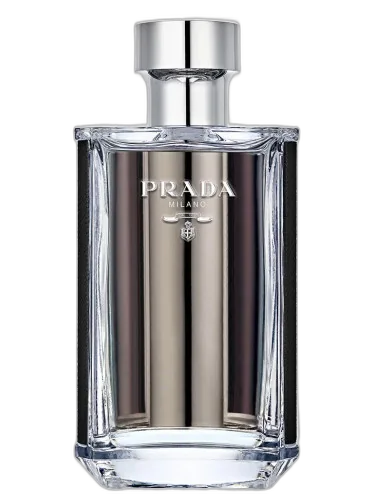
Prada
Prada L'homme Prada
Shared top notes: cardamom
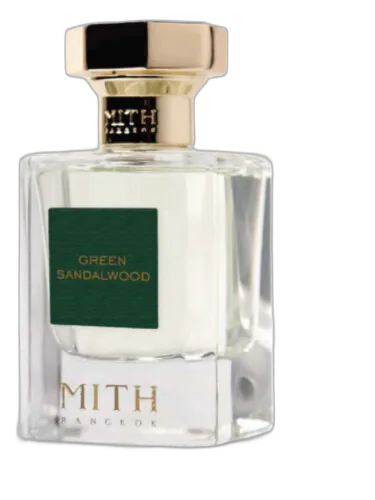
Mith
Green Sandalwood Mith
Shared top notes: cardamom

Miles Wambaugh
Coup D'etat Miles Wambaugh
Shared top notes: cardamom, lavender
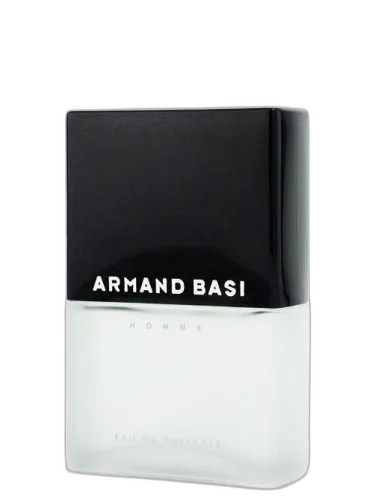
Armand Basi
Armand Basi Homme Armand Basi
Shared top notes: cardamom, lavender
Pharrell Williams
Girl Pharrell Williams
Shared top notes: lavender