
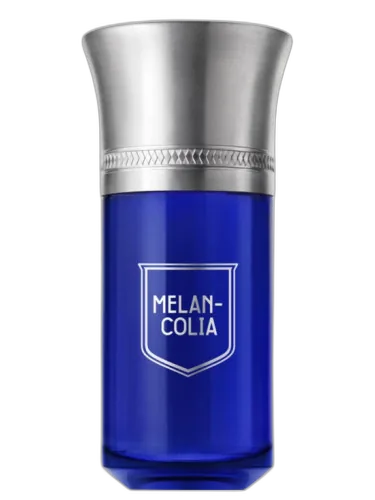

Melancolia Eau De Parfum Les Liquides Imaginaires
At a glance
Is Melancolia Eau De Parfum Les Liquides Imaginaires worth trying?
Melancolia Eau de Parfum by Les Liquides Imaginaires is a Aromatic Spicy fragrance for women and men.
- Best match
- Evening wear in Fall
- Performance feel
- Good longevity with Moderate sillage
- Signature profile
- fresh spicy, aromatic, warm spicy with Lemongrass, Mint, Ginger
The first impression
Melancolia Eau de Parfum by Les Liquides Imaginaires is a Aromatic Spicy fragrance for women and men. Melancolia Eau de Parfum was launched in 2020. The nose behind this fragrance is Amelie Bourgeois.
What shapes the scent
The perfumer behind it

Amelie Bourgeois
Amelie Bourgeois is a French perfumer known for her work with the niche houses Aether and Alexandre.J. Her style blends experimental, synthetic accords with natural elements, often exploring contrasts like citrus and musk or rose and alkanes. She created the Aether Oxyde and Carboneum compositions, as well as Alexandre.J’s Mandarine Sultane and Passion Bliss.
Notes pyramid
All Notes
Complete scent profile
 Lemongrass
 Mint
Mint
 Ginger
 Bay Leaf
 Cardamom
 Suede
Suede
 Musk
Musk
The mood it creates
The Wanderer Archetype: Portrait of Melancolia Eau De Parfum Les Liquides Imaginaires
Essence
At the core of this person’s being lies the archetype of the Wounded Healer-one who draws wisdom from sorrow, who transmutes pain into poetry. They are not merely melancholic but deeply attuned to the beauty hidden within suffering, the way light filters through cracked glass. Their choice of Melancolia-a fragrance that evokes incense, myrrh, and the weight of contemplation-speaks to their soul’s affinity for the sacred and the sorrowful. Like Chiron, the centaur who could heal others but not himself, they are both guide and wanderer, drawn to the depths of human experience.
Style & Aesthetic
Their presence is one of quiet intensity. They dress in textures that suggest history-worn leather, heavy wool, fabrics that seem to carry the weight of time. Their style is not gothic in the theatrical sense but monastic, as if they are a scholar of some forgotten order. They favor deep, muted tones-charcoal, midnight blue, the brown of aged parchment-colors that do not shout but murmur.
The scent of Melancolia clings to them like a prayer, its smoky resins and dark florals mirroring their inner world. They are drawn to art that is unfinished, music that lingers in minor keys, literature that speaks of longing rather than resolution. Beauty, for them, must have an edge of sorrow to feel true.
They thrive in environments that allow for contemplation-a dimly lit study, a mist-covered park at dawn, the quiet corner of a cathedral. Their home is a sanctuary of books, candles, and objects that seem to hold stories: a dried rose, a tarnished locket, a well-worn journal. They are not ascetics, but they curate their surroundings with intention, rejecting clutter in favor of meaning.
Work, for them, must have a spiritual or intellectual dimension-they are drawn to poetry, psychology, philosophy, or art, vocations that allow them to explore the human condition. Routine without purpose suffocates them; they need space to wander, both in mind and in body.
Yet their shadow may lead them into self-imposed exile, where solitude becomes a prison rather than a refuge. They may struggle with inertia, mistaking melancholy for depth and passivity for wisdom.
Philosophy & Values
They do not believe in happiness as a constant state but rather in meaning-an elusive, shifting thing that must be sought in shadows as much as in light. Their philosophy is one of sacred melancholy, where sadness is not an enemy but a companion, a teacher. They value depth over distraction, silence over noise, and truth-even when it wounds-over comforting illusions.
Yet this reverence for sorrow can sometimes slip into romanticized suffering, where they mistake pain for profundity. They may resist joy, fearing it to be shallow, or withdraw too deeply into introspection, mistaking solitude for wisdom. Their shadow whispers that only the broken are truly wise-a dangerous half-truth that can isolate them from the simple, sustaining pleasures of life.
Relationships
They love deeply but cautiously, as if each connection is a fragile relic. Their relationships are marked by profound emotional exchanges, moments of piercing vulnerability-but also by an instinct to retreat when things grow too warm, too safe. They fear that happiness might dull their sensitivity, that comfort could erase their depth.
Their closest bonds are with those who understand silence as a language, who do not demand constant reassurance but appreciate the spaces between words. Yet their shadow may lead them to push away those who offer steady love, mistaking stability for banality. They may idealize lost loves or unattainable figures, preferring the ache of absence to the risk of presence.
Shadow
In their highest expression, they are the guide through darkness, the one who can sit with sorrow and transform it into something luminous. Their empathy is vast, their insight piercing. They remind others that pain is not meaningless, that fragility is not weakness.
But when the shadow takes hold, they may become trapped in their own mythos, believing that only in suffering can they be authentic. They may reject joy as trivial, love as a distraction, and life itself as something to be endured rather than embraced.
The fragrance Melancolia is their emblem-not because they are lost in sadness, but because they have learned to walk beside it, to find the sacred in what others flee. Yet the greatest challenge for the Wounded Healer is to learn that healing is not only in the wound-but also in the light that eventually breaks through.
If you like this, try these
Fragrances with a comparable profile - shared accords, notes, and character.

RPL
Xviii Tubéreuse Rpl
Shared top notes: cardamom, ginger, mint
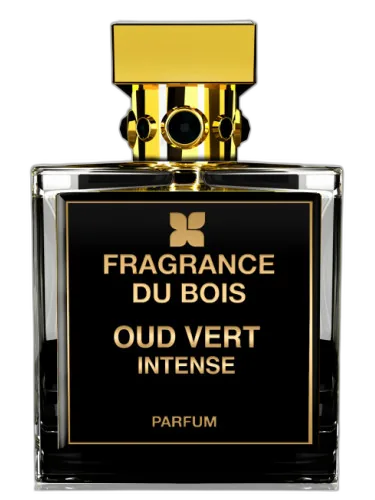
Fragrance Du Bois
Oud Vert Intense Fragrance Du Bois
Shared top notes: cardamom, ginger
Como Lake
Un'altra Estate Como Lake
Shared top notes: cardamom, mint
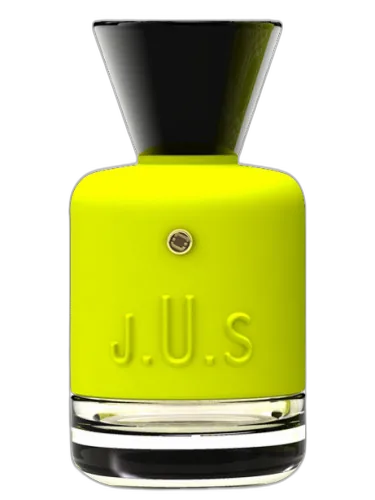
J.U.S Parfums
Gingerlise J.u.s Parfums
Shared top notes: ginger, lemongrass, mint
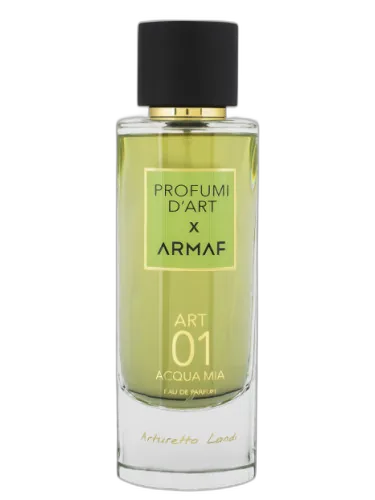
Profumi d'Art X Armaf
Art 01 - Acqua Mia Profumi D'art X Armaf
Shared top notes: cardamom, mint