
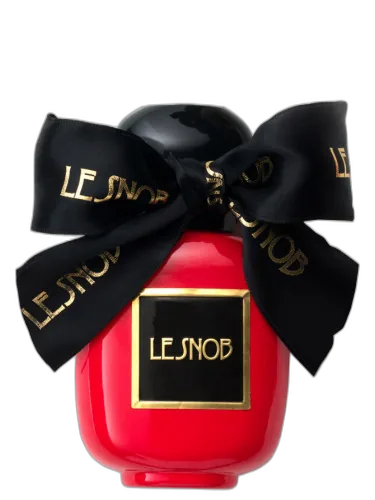

Le Snob No Iii Red Rose Les Parfums De Rosine
At a glance
Is Le Snob No Iii Red Rose Les Parfums De Rosine worth trying?
LE SNOB No III Red Rose by Les Parfums de Rosine is a Floral Woody Musk fragrance for women.
- Best match
- Evening wear in Spring
- Performance feel
- Good longevity with Moderate sillage
- Signature profile
- rose, fruity, musky with Raspberry, Beetroot, Green Mandarin
The first impression
LE SNOB No III Red Rose by Les Parfums de Rosine is a Floral Woody Musk fragrance for women. LE SNOB No III Red Rose was launched in 2017. Top notes are Raspberry, Beetroot and Green Mandarin; middle notes are Rose, Iris Flower and Ambrette (Musk Mallow); base notes are Java vetiver oil, Ambroxan and Musk.
What shapes the scent
The perfumer behind it

Marie-Hélène Rogeon
Marie-Hélène Rogeon is a perfumer celebrated for her elegant and romantic floral creations. Her work for Les Parfums de Rosine, such as Ballerina No 2 and Le Snob No III Red Rose, highlights her skill with delicate yet expressive rose compositions. She brings a timeless sophistication to her fragrances, often blending classic and modern elements. Her scents are beloved for their poetic and refined character.
Notes pyramid
Top Notes
First impression · 15-30 min
 Raspberry
 Beetroot
 Green Mandarin
Heart Notes
Core character · 2-4 hours
 Rose
Iris Flower
Rose
Iris Flower
 Ambrette (Musk Mallow)
Base Notes
Lasting impression · 4+ hours
Java vetiver oil
 Ambroxan
 Musk
Musk
The mood it creates
The Sovereign Archetype: Portrait of Le Snob No Iii Red Rose Les Parfums De Rosine
Essence
To wear Le Snob No III Red Rose by Les Parfums de Rosine is to declare oneself a connoisseur of beauty-not the loud, obvious kind, but the kind that whispers in velvet and lingers like the last note of a nocturne. This fragrance, with its lush yet restrained rose, wrapped in spices and woods, is not for the casual admirer of scent. It is for the one who understands that elegance is a discipline, an art form cultivated with intention.
The dominant archetype here is The Aesthete, a figure for whom beauty is not merely preference but a moral imperative. They are drawn to refinement, to the carefully curated, to the things that elevate existence above the mundane. Yet, as with all archetypes, there is a shadow-here, it is the specter of Narcissus, the danger of becoming so enamored with one’s own taste that the world outside it begins to pale.
Style & Aesthetic
Their world is one of deliberate choices. They do not merely like things-they appraise them. The books on their shelves are bound in cloth or leather, not for show, but because the texture of a cover matters as much as the words within. Their home is an extension of their sensibility: a balance of warmth and austerity, where every object has been considered, yet nothing feels sterile. They prefer the muted glow of candlelight to the harshness of fluorescents, the weight of linen to the crudeness of polyester.
In art, they are drawn to the Pre-Raphaelites for their lush romanticism, to Klimt for his decadence, to the poetry of Rilke for its precision and longing. Music is either baroque or modern minimalist-nothing in between feels quite pure enough. They do not follow trends; they follow the thread of their own discernment.
They rise early, not out of obligation, but because dawn is the most private hour, the one least spoiled by the noise of others. Their mornings are slow, deliberate: black coffee in a porcelain cup, a book whose pages smell of aged paper. Work, if they must have it, is something that allows for autonomy-perhaps they are a curator, a writer, a perfumer, a designer. If not, they carve out spaces of beauty within the mundane, turning necessity into ritual.
They travel, but never in herds. They seek out the hidden places-a secluded villa in Tuscany, a forgotten chapel in Prague, a perfumer’s atelier in Grasse. They collect experiences the way others collect souvenirs: not as proof of having been there, but as nourishment for the soul.
The danger for this person is that their pursuit of beauty becomes a cage. They may grow so accustomed to their own standards that they lose the ability to appreciate the unrefined, the raw, the imperfectly human. Their disdain for the vulgar can harden into misanthropy. Their love of solitude can become isolation.
And then there is the deeper fear-that one day, they will wake and realize that for all their cultivation, they have merely been admiring their own reflection in the things they surround themselves with. That their life, for all its elegance, is a beautifully lit stage with no audience but themselves.
Philosophy & Values
For them, beauty is not frivolous-it is the highest form of resistance against the chaos of the world. They believe in the sacredness of small rituals: the slow pour of tea, the deliberate selection of a fragrance, the careful arrangement of flowers in a vase. To live well is to live with intention, to refuse the tyranny of the expedient.
Yet this philosophy is not without its tensions. They disdain vulgarity, but this disdain can curdle into contempt. They value authenticity, yet their own self-presentation is so finely tuned that it risks becoming a performance. They are acutely aware of how they are perceived, and though they would never admit it, this awareness shapes them more than they would like.
Relationships
They do not suffer fools, but neither do they dismiss them outright-they simply drift away, like a scent fading from the air. Their friendships are few but profound, built on shared sensibilities and unspoken understandings. Romantic partners must meet an exacting standard: intelligence without arrogance, passion without neediness, confidence without bravado.
Yet here, too, the shadow lurks. Their insistence on perfection can make them aloof, even cruel in their subtle dismissals. They may mistake their own fastidiousness for discernment, when in truth, it is sometimes just fear-fear of being ordinary, fear of being known too deeply, fear that beneath the carefully constructed exterior, there is nothing but the same hunger everyone else feels.
Conclusion
Le Snob No III Red Rose is not a scent for those who wish to blend in. It is for those who understand that to wear a fragrance is to make a statement-not of arrogance, but of allegiance to a certain way of being. The person who chooses it is both sovereign and prisoner of their own taste, forever balancing between the sublime and the self-absorbed.
They are not without flaws, but their flaws, like their virtues, are exquisitely composed. And perhaps that is the most telling thing of all.
If you like this, try these
Fragrances with a comparable profile - shared accords, notes, and character.
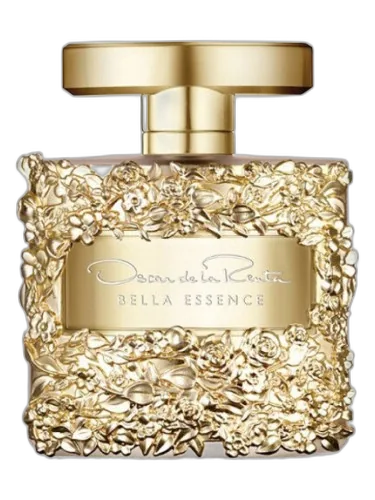
Oscar de la Renta
Bella Essence Oscar De La Renta
Shared top notes: raspberry

Mith
Mystery Of Wild Berry Mith
Shared heart notes: rose
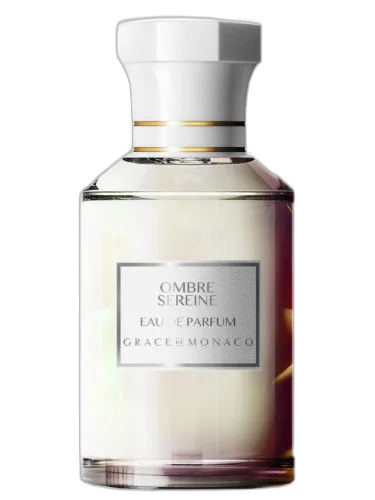
Grace de Monaco
Ombre Sereine Grace De Monaco
Shared base notes: ambroxan, musk

Aerin
Rose De Grasse Pour Filles Aerin
Shared heart notes: rose
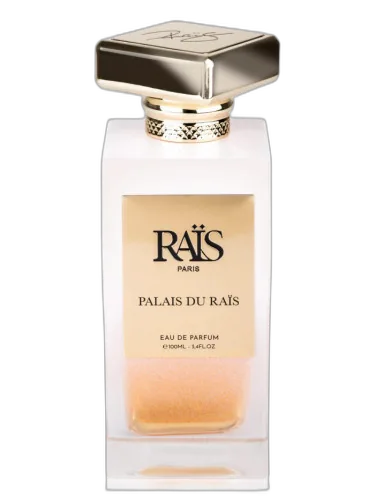
Raïs
Palais Du Raïs Raïs
Shared top notes: raspberry