
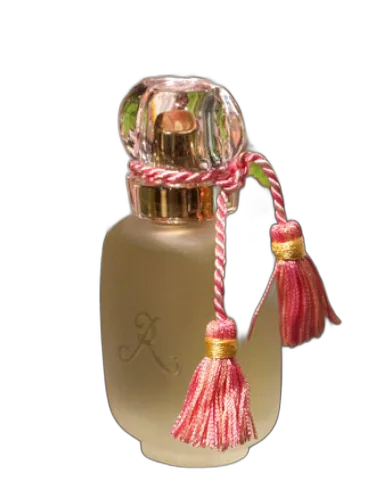

Lotus Rose Les Parfums De Rosine
At a glance
Is Lotus Rose Les Parfums De Rosine worth trying?
Lotus Rose by Les Parfums de Rosine is a Floral Aquatic fragrance for women.
- Best match
- Evening wear in Spring
- Performance feel
- Good longevity with Moderate sillage
- Signature profile
- floral, citrus, rose with Neroli, Bergamot, Mandarin Orange
The first impression
Lotus Rose by Les Parfums de Rosine is a Floral Aquatic fragrance for women. Lotus Rose was launched in 2012. The nose behind this fragrance is François Robert. Top notes are Neroli, Bergamot, Mandarin Orange, Citruses and Coriander; middle notes are Lotus, Rose, Jasmine, Sweet Pea and Iris; base notes are Amber, Sandalwood, Musk and Woody Notes.
What shapes the scent
The perfumer behind it

François Robert
François Robert is a perfumer who has created fragrances for Bex London, Charlotte Tilbury, and Friedemodin. His work for Bex London includes a series of scents named after London postal codes, such as Londoner EC2 and SW1X, each capturing a distinct urban character. Robert also composed Scent of a Dream for Charlotte Tilbury and the floral Jardin Mystique for Friedemodin, showing a range from sophisticated cityscapes to romantic gardens.
Notes pyramid
Top Notes
First impression · 15-30 min
 Neroli
 Bergamot
 Mandarin Orange
 Citruses
 Coriander
Heart Notes
Core character · 2-4 hours
 Lotus
Lotus
 Rose
Rose
 Jasmine
 Sweet Pea
 Iris
Iris
Base Notes
Lasting impression · 4+ hours
 Amber
Amber
 Sandalwood
 Musk
Musk
 Woody Notes
The mood it creates
The Lover Archetype: Portrait of Lotus Rose Les Parfums De Rosine
Essence
To wear Lotus Rose by Les Parfums de Rosine is to embrace an intoxicating duality-the serene purity of the lotus and the passionate allure of the rose. The person who chooses this fragrance is neither fully of the earth nor entirely ethereal; they exist in the liminal space between dream and reality, between the sacred and the sensual. Their essence is best captured by the Enchantress archetype, a figure who weaves magic through presence, mystery, and an almost hypnotic charm.
The Enchantress is not merely beautiful-she is mesmerizing. She does not demand attention; she commands it effortlessly, like the slow unfurling of a lotus at dawn or the intoxicating pull of a rose in full bloom. Her power lies in suggestion rather than declaration, in the subtle art of leaving others enchanted yet never fully sated.
Her tastes are refined but never ostentatious. She prefers the understated elegance of silk and cashmere, garments that whisper rather than shout. Her home is a sanctuary of soft light, fresh flowers, and carefully curated objects-each with a story, each chosen for its resonance rather than its status. She reads poetry, but not for show; she seeks the kind of verse that lingers in the mind like a half-remembered dream.
Philosophically, she is drawn to the mystical and the symbolic. She believes in the unseen threads that connect all things-fate, intuition, the quiet synchronicities of life. Yet she is not a passive dreamer; she understands that enchantment requires intention. She shapes her reality with the precision of an artist, knowing that beauty, like perfume, must be composed with care.
Shadow
Yet the Enchantress is not without her flaws. Her very allure can become a prison-she is so adept at shaping perception that she risks losing herself in the roles she plays. She may struggle with authenticity, fearing that to be fully known is to be diminished. At times, she withdraws into her own mystique, leaving others frustrated by her elusiveness.
Her detachment, while a source of power, can also be a form of evasion. She may avoid deep emotional vulnerability, preferring the safety of symbolism over raw honesty. In love, she might inspire devotion but struggle to fully reciprocate it, keeping even her closest companions at a slight but deliberate distance.
And then there is the danger of vanity-not the crude vanity of mirrors and flattery, but the more insidious kind: the belief that she is above the mundane, that she exists on a plane where ordinary rules do not apply. If unchecked, this can lead to a subtle arrogance, a quiet disdain for those who lack her refinement.
Conclusion
Her greatest strength is her ability to transform the ordinary into the extraordinary. A simple conversation becomes a revelation in her presence; a shared meal feels like a ritual. She listens with an intensity that makes others feel truly seen, and when she speaks, her words carry weight-not because she insists on being heard, but because she chooses them with care.
In relationships, she is neither possessive nor indifferent. She loves deeply but retains an air of mystery, understanding that too much familiarity dulls the magic. Partners and friends are drawn to her precisely because she never fully reveals herself-she is a garden with hidden paths, always inviting exploration but never fully mapped.
Her lifestyle reflects her values: she seeks harmony, not excess. She may travel often, but never as a tourist-she immerses herself in places, absorbing their essence like a second skin. She practices rituals-morning tea, evening walks-not out of rigidity, but because she knows that meaning is found in repetition, in the quiet rhythms of life.
If you like this, try these
Fragrances with a comparable profile - shared accords, notes, and character.
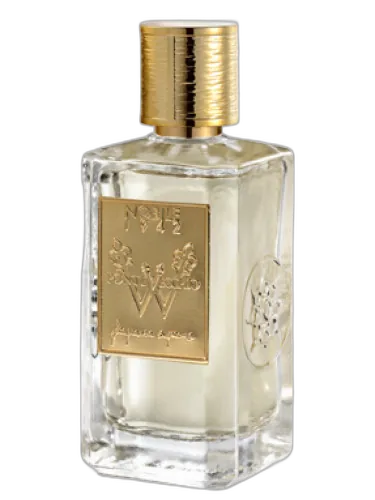
Nobile 1942
Pontevecchio W Nobile 1942
Shared top notes: bergamot, coriander, mandarin orange
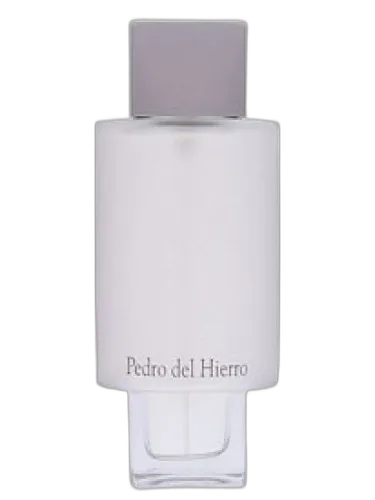
Pedro Del Hierro
Pedro Del Hierro Pedro Del Hierro
Shared top notes: bergamot, coriander, mandarin orange
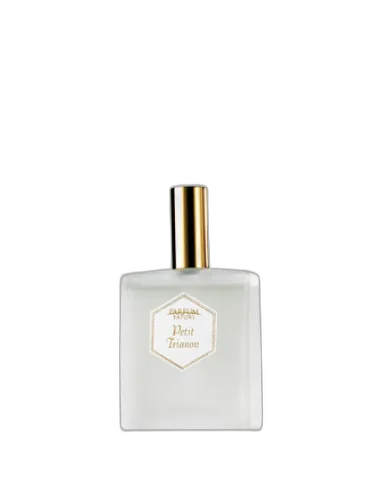
Parfum Satori
Petit Trianon Parfum Satori
Shared top notes: citruses, neroli
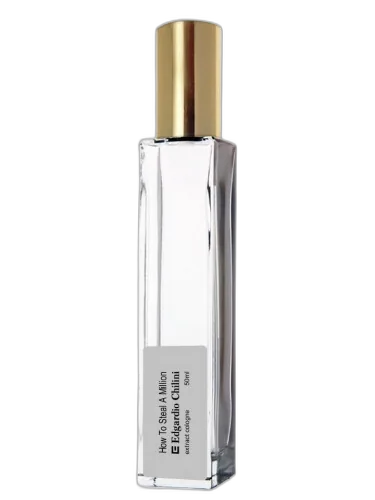
Edgardio Chilini
How To Steal A Million Edgardio Chilini
Shared top notes: bergamot
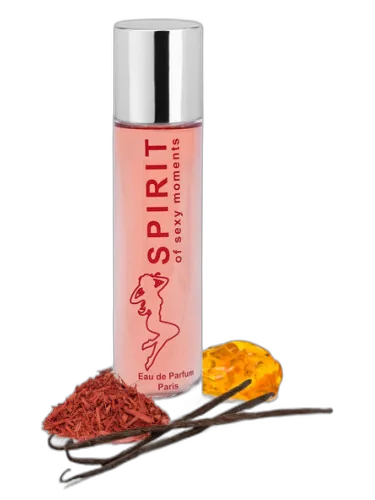
Spirit
Spirit Of Sexy Moments Spirit
Shared top notes: bergamot, coriander, mandarin orange