


Rose D'ete Les Parfums De Rosine
Fragrance Story
Rose d'Ete by Les Parfums de Rosine is a Floral Fruity fragrance for women. Rose d'Ete was launched in 1998. The nose behind this fragrance is François Robert. Top notes are Granny Smith apple, Bergamot and Galbanum; middle notes are Rose, Mimosa, Lime (Linden) Blossom and Lotus; base notes are Ambrette (Musk Mallow) and Musk.
Composition Profile
About the Perfumer

François Robert
François Robert is a perfumer who has created fragrances for Bex London, Charlotte Tilbury, and Friedemodin. His work for Bex London includes a series of scents named after London postal codes, such as Londoner EC2 and SW1X, each capturing a distinct urban character. Robert also composed Scent of a Dream for Charlotte Tilbury and the floral Jardin Mystique for Friedemodin, showing a range from sophisticated cityscapes to romantic gardens.
Fragrance Notes
Top Notes
First impression · 15-30 min
 Granny Smith apple
 Bergamot
 Galbanum
Heart Notes
Core character · 2-4 hours
 Rose
Rose
 Mimosa
%20Blossom.png) Lime (Linden) Blossom
Lime (Linden) Blossom
 Lotus
Lotus
Base Notes
Lasting impression · 4+ hours
.jpg) Ambrette (Musk Mallow)
Ambrette (Musk Mallow)
 Musk
Musk
Rose D'ete Les Parfums De Rosine by Les Parfums de Rosine offers a distinctive olfactory experience that stands out from other fragrances in its category.
Crafted with the finest ingredients and a blend of traditional and modern perfumery techniques, this fragrance represents the pinnacle of the perfumer's art.
Rose D'ete Les Parfums De Rosine embodies the distinctive style of Les Parfums de Rosine while adding a unique chapter to their fragrance portfolio.
Character Profile
The Lover Archetype: Portrait of Rose D'ete Les Parfums De Rosine
Essence
To wear Rose D’été by Les Parfums de Rosine is to embrace a fragrance that is luminous, tender, yet unapologetically romantic-a scent that captures the essence of a summer rose in full bloom. The person who cherishes this perfume is not merely drawn to its delicate floralcy but to the deeper symbolism it carries: beauty that is fleeting yet intoxicating, soft yet resilient. They are, at their core, an embodiment of The Lover archetype-one who seeks connection, passion, and meaning through the senses and the heart.
The Lover does not merely exist; they feel. Their world is painted in hues of emotion, where every experience is heightened by its aesthetic and sensual dimensions. They are drawn to beauty in all its forms-art, music, literature, nature-and they possess an innate ability to appreciate the ephemeral. A sunset is not just light fading; it is a melancholy sonnet. A garden is not just plants; it is a living poem.
This person likely surrounds themselves with objects and experiences that evoke pleasure-fine fabrics, vintage books, handwritten letters, the scent of fresh flowers on a bedside table. Their home is a sanctuary of curated elegance, where every detail is intentional, not for show, but because they cannot bear to live in a world devoid of grace. Their style leans toward timeless femininity or romantic classicism-flowing dresses, soft textures, perhaps a touch of vintage inspiration. They are not trend-driven but seek what resonates with their inner sense of harmony.
Philosophy & Values
For them, life is not about utility but about depth. They reject the notion that existence should be reduced to mere function; instead, they seek the sublime-those moments when the ordinary transcends into something extraordinary. They may be drawn to philosophies that emphasize the interconnectedness of beauty and truth, finding kinship in thinkers like Keats ("Beauty is truth, truth beauty") or even Nietzsche’s own reverence for art as a counterforce to life’s inherent suffering.
Relationships are their crucible. They love intensely, sometimes too much, and their greatest fear is indifference-both given and received. They are the friend who remembers birthdays with handwritten notes, the lover who leaves petals on a pillow, the parent who instills in their child a love for poetry. But this depth of feeling comes with a shadow: they can become lost in the emotions of others, sacrificing their own boundaries in the pursuit of connection.
Shadow
Every archetype has its dark twin, and for The Lover, it is the descent into neediness or idealization. Their capacity for deep feeling can curdle into dependency-they may cling to relationships long past their natural end, or romanticize people who do not deserve such devotion. Their aversion to coldness can make them vulnerable to those who exploit their warmth.
There is also the risk of aesthetic escapism-a refusal to engage with life’s harsher truths because they disrupt the beautiful illusion. They may avoid necessary conflicts, preferring harmony over honesty, or lose themselves in nostalgia for a past that was never as perfect as they remember.
Conclusion
Yet, when balanced, this person is a rare force of tenderness in a world that often forgets to pause and admire the roses. They remind others that life is not just to be endured but savored. Their greatest gift is their ability to make the mundane feel sacred-a shared meal becomes a feast, a walk in the garden a meditation.
They are not naive; they have known disappointment, perhaps heartbreak. But they refuse to let cynicism harden them. Instead, they choose, again and again, to believe in beauty-not as a delusion, but as a quiet act of rebellion against the barrenness of a purely pragmatic existence.
In the end, the wearer of Rose D’été is like the rose itself: delicate yet enduring, fleeting yet unforgettable. They are proof that to love deeply-whether people, art, or life itself-is not a weakness, but the most courageous way to live.
Similar Fragrances
Fragrances with a comparable profile - shared accords, notes, and character.

Ajmal
Aurum Summer Ajmal
Shared accords: citrus, floral, fresh

Lanvin
Jeanne Lanvin Scandal Lanvin
Shared accords: citrus, floral, fresh
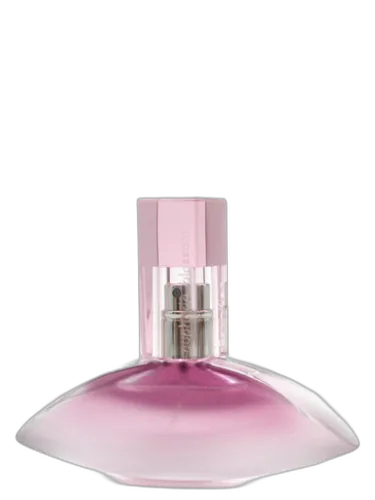
Calvin Klein
Euphoria Blossom Calvin Klein
Shared accords: citrus, floral, fresh

Chopard
Wish Pink Diamond Chopard
Shared accords: citrus, floral, fresh
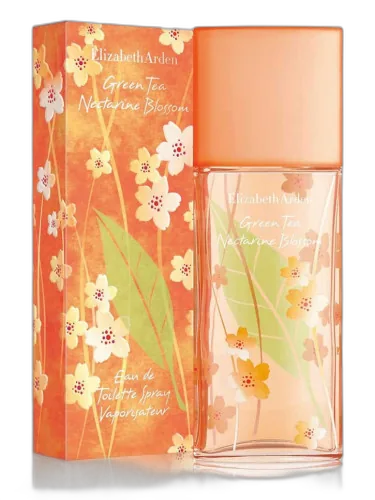
Elizabeth Arden
Green Tea Nectarine Blossom Elizabeth Arden
Shared accords: citrus, floral, fresh