
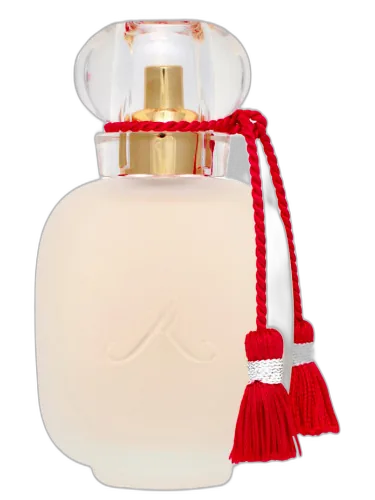

Rose Griotte Les Parfums De Rosine
At a glance
Is Rose Griotte Les Parfums De Rosine worth trying?
Rose Griotte by Les Parfums de Rosine is a Floral Fruity fragrance for women and men.
- Best match
- Evening wear in Spring
- Performance feel
- Good longevity with Moderate sillage
- Signature profile
- floral, fresh, fruity with Nashi Pear, Bergamot, Tangerine
The first impression
Rose Griotte by Les Parfums de Rosine is a Floral Fruity fragrance for women and men. Rose Griotte was launched in 2021. The nose behind this fragrance is Nicolas Bonneville. Top notes are Nashi Pear, Bergamot, Tangerine and Pink Pepper; middle notes are Peony, Japanese Cherry Blossom, Osmanthus and Jasmine Sambac; base notes are Musk, Heliotrope, Cedar and White Amber.
What shapes the scent
The perfumer behind it

Nicolas Bonneville
Nicolas Bonneville is a perfumer who has contributed to Acqua di Parma, Affinessence, and Antonio Banderas, among others. His creations include Note Di Colonia III, Cedrè Iris, and Blue Seduction Sparkling Aqua. Bonneville’s work often blends fresh citrus, floral, and woody notes, with a focus on modern elegance.
Notes pyramid
Top Notes
First impression · 15-30 min
 Nashi Pear
 Bergamot
 Tangerine
 Pink Pepper
Heart Notes
Core character · 2-4 hours
 Peony
Peony
 Japanese Cherry Blossom
 Osmanthus
Jasmine Sambac
Osmanthus
Jasmine Sambac
Base Notes
Lasting impression · 4+ hours
 Musk
Musk
 Heliotrope
 Cedar
White Amber
Cedar
White Amber
The mood it creates
The Lover Archetype: Portrait of Rose Griotte Les Parfums De Rosine
Essence
The one who wears Rose Griotte by Les Parfums de Rosine is ruled by The Lover archetype-a soul intoxicated by beauty, sensuality, and the pursuit of emotional depth. This is not mere romanticism, but a fundamental way of being. The Lover does not merely admire beauty; they demand it, cultivate it, and sometimes suffocate beneath its weight. Their essence is drawn to the lush, velvety darkness of a rose in full bloom-sweet yet mysterious, tender yet commanding.
Shadow
Yet, like all archetypes, The Lover has a shadow. Their hunger for intensity can tip into hedonism-chasing pleasure to the point of exhaustion. They may grow restless in stable relationships, mistaking comfort for stagnation. Their sensitivity, while a gift, can also be a curse; they absorb the emotions of others like a sponge, leaving them drained.
There is also a danger of idealization. They may fall in love with the idea of a person rather than the reality, setting themselves up for disillusionment. When reality fails to match their poetic vision, they retreat-either into fantasy or into a brooding solitude.
Conclusion
Their world is one of heightened sensation. They surround themselves with textures that beg to be touched-silk scarves, aged books, the rough bark of an ancient tree. Their home is a sanctuary of curated elegance: deep reds, gilded mirrors, fresh flowers always in a vase. They are drawn to art that speaks of passion-Caravaggio’s chiaroscuro, the poetry of Rilke, the aching vibrato of a cello.
They move through life with an innate grace, but also an impatience for the mundane. Routine is their enemy; they crave intensity, whether in love, conversation, or even sorrow. Their philosophy is simple yet profound: to feel deeply is to live truly. They do not shy from melancholy, for they understand that joy and sorrow are two sides of the same coin.
If you like this, try these
Fragrances with a comparable profile - shared accords, notes, and character.
Tous
Tous Garden Edition Tous
Shared top notes: bergamot, pink pepper, tangerine

Nina Ricci
Les Sorbets De Luna Nina Ricci
Shared top notes: bergamot
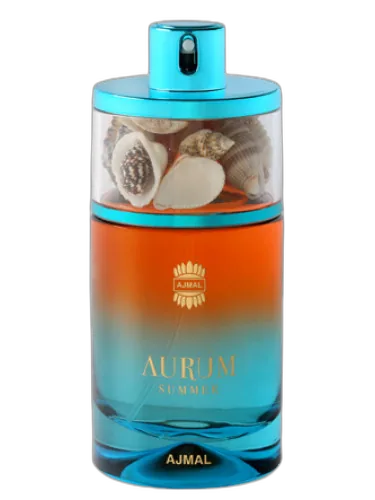
Ajmal
Aurum Summer Ajmal
Shared top notes: bergamot

Lancôme
Aroma Blue Lancôme
Shared heart notes: osmanthus, peony
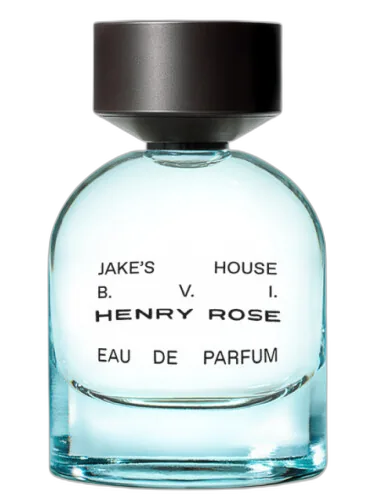
Henry Rose
Jake's House B.v.i. Henry Rose
Shared top notes: pink pepper