
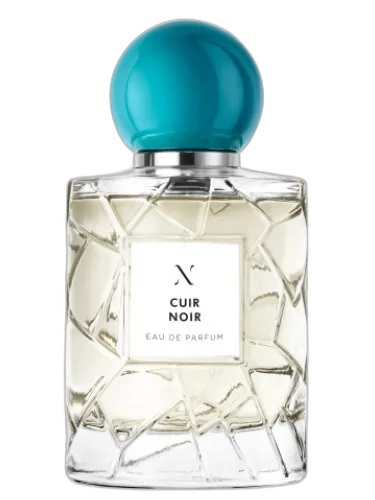

Cuir Noir Les Soeurs De Noe
At a glance
Is Cuir Noir Les Soeurs De Noe worth trying?
Cuir Noir by Les Soeurs de Noe is a Woody Aromatic fragrance for women and men.
- Best match
- Evening wear in Fall
- Performance feel
- Very Good longevity with Strong sillage
- Signature profile
- woody, aromatic, balsamic with elemi, Pink Pepper, Jasmine
The first impression
Cuir Noir by Les Soeurs de Noe is a Woody Aromatic fragrance for women and men. This is a new fragrance. Cuir Noir was launched in 2023. Cuir Noir was created by Jérôme Epinette and Pierre Wulff. Top notes are elemi and Pink Pepper; middle notes are Jasmine, Plum and Incense; base notes are Cedarwood, Black Leather and Vanilla.
What shapes the scent
The perfumer behind it

Jérôme Epinette
Jérôme Epinette is a French perfumer who has created fragrances for a wide range of brands. His catalog includes Geranium, Neroli, and Oakmoss for ARKET, as well as Egyptian Smoke and Nordic Fougère for Alfred Dunhill. He also composed Arabesque Wood, Belsize Beat, and Bonbon Tree for & Other Stories. Epinette is known for his versatile and accessible style.
Notes pyramid
Top Notes
First impression · 15-30 min
 elemi
elemi
 Pink Pepper
Heart Notes
Core character · 2-4 hours
 Jasmine
 Plum
Plum
 Incense
Base Notes
Lasting impression · 4+ hours
Cedarwood
 Black Leather
 Vanilla
The mood it creates
The Archetype Archetype: Portrait of Cuir Noir Les Soeurs De Noe
Essence
This is a person who dwells in the liminal spaces-where the tangible meets the unseen, where leather and smoke intertwine with something darker, more elusive. Their chosen scent, Cuir Noir, is not merely a fragrance but an invocation: a blend of shadowed leather, incense, and the faintest whisper of something floral, buried deep. They are most closely aligned with The Mystic, an archetype that seeks meaning beyond the surface, that finds beauty in the obscured and the enigmatic.
The Mystic does not merely perceive the world; they commune with it. They are drawn to symbols, to the weight of history, to the textures of experience that others overlook. Yet this archetype has its shadow-a tendency toward isolation, an overindulgence in melancholy, a resistance to the mundane that can border on disdain.
Relationships
Their relationships are few but profound. They do not collect acquaintances; they cultivate connections that demand depth. To be loved by them is to be seen in full-flaws, contradictions, and all. But their intensity can be overwhelming, and their need for solitude often creates distance. They are not cold, but they are guarded, revealing themselves in layers, only when trust has been earned.
Romantically, they seek a partner who can navigate their shadows without trying to dispel them. They are drawn to those who possess their own mysteries, who do not demand explanations for every silence. Yet their reluctance to fully surrender to vulnerability can leave their lovers feeling like outsiders in their inner world.
Shadow
The Mystic’s greatest strength-their depth-is also their greatest peril. They risk becoming lost in their own introspection, mistaking solitude for wisdom and melancholy for truth. There is a fine line between contemplation and self-absorption, and they sometimes cross it. Their disdain for superficiality can harden into elitism, a quiet arrogance that dismisses those who do not share their intensity.
At their worst, they may withdraw entirely, constructing a fortress of solitude where even those who love them cannot reach. The scent of Cuir Noir then becomes not an invitation but a barrier-a warning that some doors, once closed, do not open again.
Conclusion
Their tastes are deliberate, almost ritualistic. They prefer the weight of aged paper in books, the grain of well-worn leather, the flicker of candlelight over the sterile glow of screens. Music is not background noise but an experience-dark jazz, neoclassical compositions, the mournful strains of a cello. Their wardrobe is a study in restraint: blacks, deep browns, textures that suggest history rather than trend.
Philosophy is not an abstract exercise for them but a lived reality. They are drawn to thinkers who embrace paradox-Nietzsche’s embrace of suffering as a crucible for strength, Jung’s exploration of the shadow, the existentialists’ insistence on meaning forged in the void. They do not shy away from darkness, but neither do they romanticize it. They understand that light is only meaningful because of the contrast.
If you like this, try these
Fragrances with a comparable profile - shared accords, notes, and character.
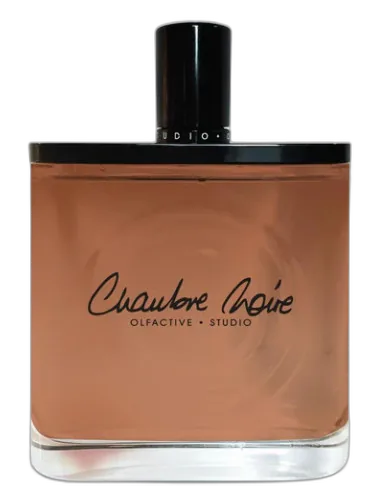
Olfactive Studio
Chambre Noire Olfactive Studio
Shared top notes: pink pepper
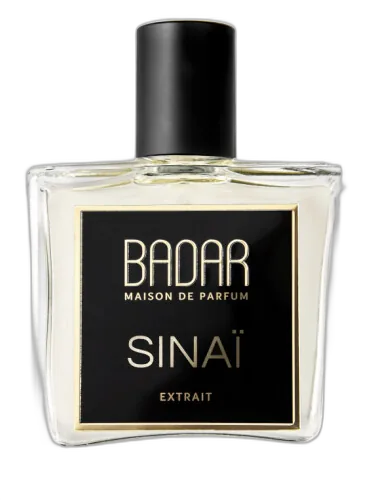
Badar
Sinaï Badar
Shared top notes: elemi, pink pepper
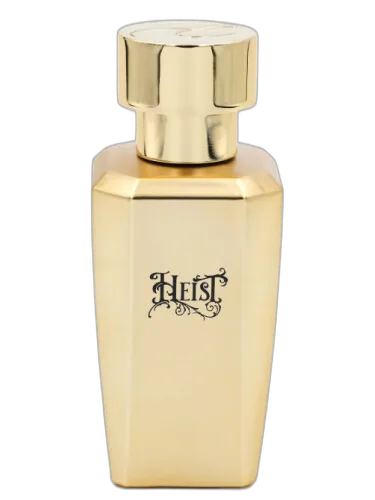
Curatrix
Heist Curatrix
Shared heart notes: jasmine, plum
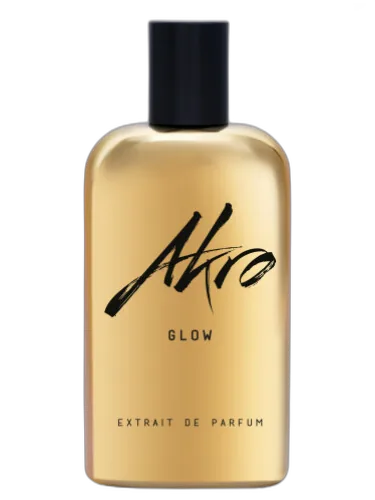
Akro
Glow Akro
Shared top notes: pink pepper

Florian Pontier
Cefalù Florian Pontier
Shared top notes: pink pepper