


Profumod'umbria Limonero P.
Fragrance Story
Profumod'Umbria by Limonero P. is a Floral fragrance for women and men. Profumod'Umbria was launched in 2012. Profumod'Umbria was created by Stefania Albanese Lucci and Dani Zenobi.
Composition Profile
About the Perfumer

Dani Zenobi
Dani Zenobi is a perfumer recognized for creating Profumod'umbria for the Limonero P. brand. This fragrance draws inspiration from the Umbrian region of Italy, featuring earthy and aromatic notes. Zenobi's work often highlights natural ingredients and a sense of place.
Fragrance Notes
All Notes
Complete scent profile
 Broom
Broom
 White Flowers
 Iris
Iris
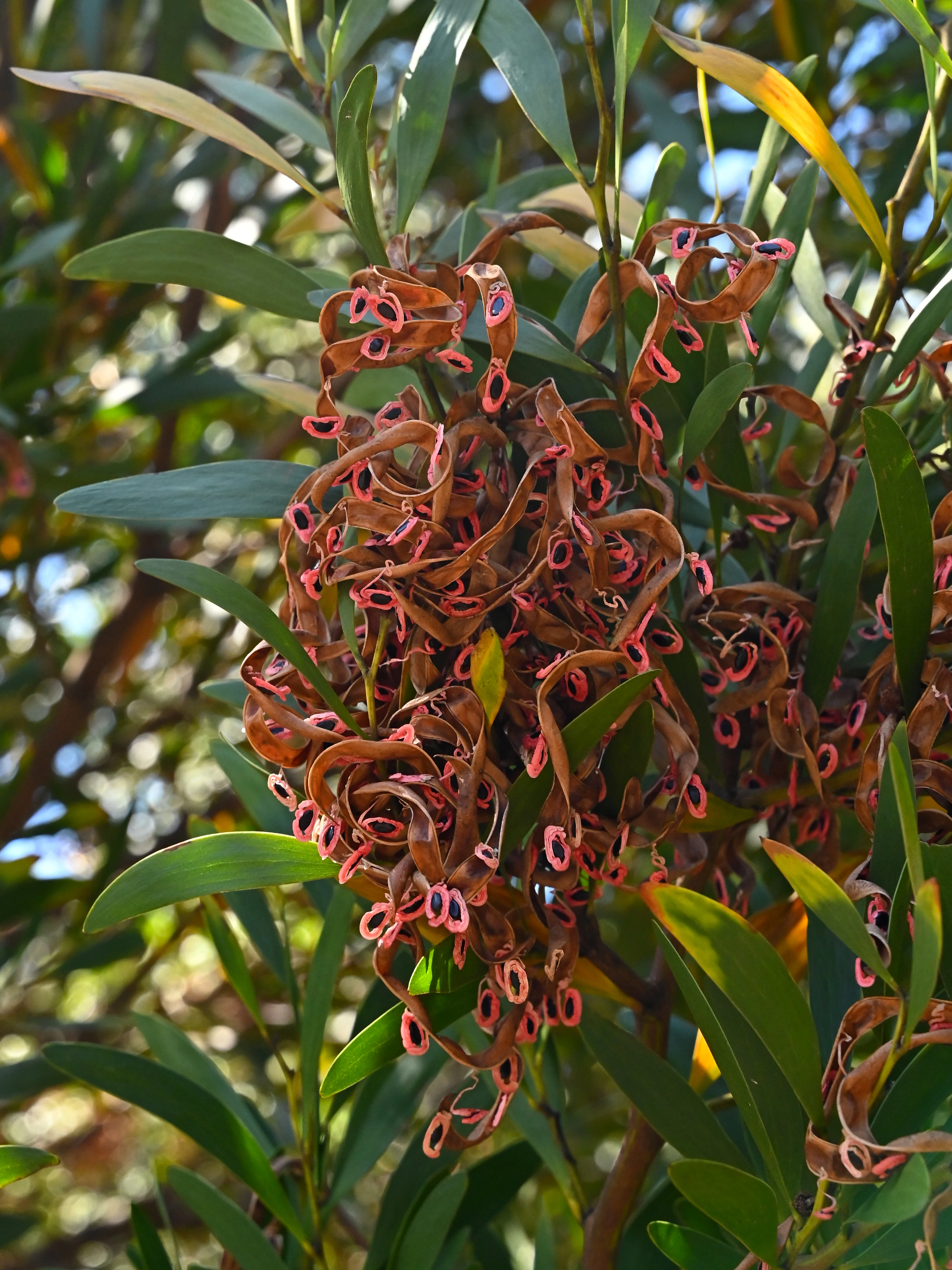 Acácia
 Chestnut
 Hay
Hay
 Lavender
%20Blossom.png) Lime (Linden) Blossom
Lime (Linden) Blossom
 Rosemary
 Cypress
Profumod'umbria Limonero P. by Limonero P. offers a distinctive olfactory experience that stands out from other fragrances in its category.
Crafted with the finest ingredients and a blend of traditional and modern perfumery techniques, this fragrance represents the pinnacle of the perfumer's art.
Profumod'umbria Limonero P. embodies the distinctive style of Limonero P. while adding a unique chapter to their fragrance portfolio.
Character Profile
The Sage Archetype: Portrait of Profumod'umbria Limonero P.
Essence
The person who cherishes Profumod'umbria Limonero P. is most closely aligned with the Sage-an archetype of wisdom, clarity, and quiet introspection. This fragrance, with its crisp citrus brightness softened by herbal and woody undertones, mirrors their essence: a mind that seeks illumination but remains rooted in the earth. The Sage is not merely a thinker but a cultivator of truth, one who distills life’s complexities into something pure and essential.
They are drawn to the scent’s duality-the sharpness of lemon, evoking intellectual precision, and the warmth of Mediterranean herbs, grounding them in sensuality. Like the fragrance, they are both luminous and grounded, a paradox of the ethereal and the tangible.
Style & Aesthetic
Their aesthetic mirrors their mind: clean, intentional, yet never sterile. They favor natural fabrics-linen, cotton, wool-in muted tones that allow texture to speak. Their home is uncluttered but warm, with well-chosen objects that carry history or meaning: a hand-thrown ceramic bowl, a single painting of a sunlit landscape.
In food and drink, they prefer the essence of things-a perfectly ripe fig, bitter dark chocolate, a glass of crisp white wine. They savor the interplay of flavors, just as they savor the interplay of ideas. Music, when they indulge, is often minimalist or baroque-structured yet expressive, like their own inner rhythms.
Philosophy & Values
Their life is an ongoing meditation on meaning. They prefer solitude not out of misanthropy, but because silence is the soil in which their thoughts grow. Bookshelves line their home, filled with philosophy, poetry, and natural science-each volume a testament to their hunger for understanding. They do not chase knowledge for prestige but for its own sake, finding beauty in the act of learning.
Their philosophy is one of discernment. They distrust dogma, preferring to question, refine, and distill. They believe truth is not found in absolutes but in the careful balancing of contradictions. This makes them both profound and, at times, frustratingly elusive-they resist easy answers, even when others crave them.
Relationships
They do not collect friends; they cultivate them. Their circle is small but enduring, built on mutual respect and intellectual kinship. They are not the life of the party, but in intimate gatherings, they shine-listening deeply, offering insights that linger long after the conversation ends.
Romantically, they seek a partner who values independence as much as connection. They are not possessive, nor do they tolerate possessiveness in return. Their love is a quiet force, expressed in shared silence as much as in words. Yet, their detachment can sometimes be mistaken for coldness-a shadow of the Sage’s tendency to over-intellectualize emotion.
Shadow
For all their wisdom, they are not without flaws. Their greatest strength-their self-sufficiency-can become a weakness. When overwhelmed, they retreat too far into their mind, mistaking solitude for strength and connection for distraction. They may dismiss emotions as irrational, forgetting that wisdom without warmth is a barren thing.
At their worst, they grow dogmatic in their skepticism, dismissing anything that cannot be dissected by reason. They may unintentionally alienate others with their relentless questioning, forgetting that not every truth needs to be interrogated-some are felt, not proven.
Conclusion
They are like the lemon tree from which their fragrance springs-rooted, resilient, bearing fruit that is both sharp and sweet. Their life is a testament to the beauty of thoughtfulness, but also a reminder that wisdom must sometimes step out of the library and into the sun.
They are not perfect, nor do they seek to be. Their journey is one of balance-between mind and heart, solitude and communion, skepticism and wonder. And in that balance, they find not just truth, but a life fully lived.
Similar Fragrances
Fragrances with a comparable profile - shared accords, notes, and character.
Limonero P.
Profumod'umbria Limonero P.
Shared accords: aromatic, floral, fresh spicy

Bex London
Londoner W1x Bex London
Shared accords: aromatic, floral, fresh spicy

Guerlain
Cologne Du 68 Guerlain
Shared accords: aromatic, floral, fresh spicy

Memo Paris
Ilha Do Mel Memo Paris
Shared accords: floral, fresh spicy, green
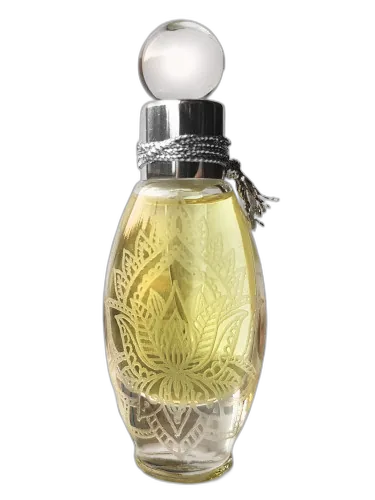
Ladanika
Odolen Herb Одолень-трава Ladanika
Shared accords: aromatic, floral, fresh spicy