
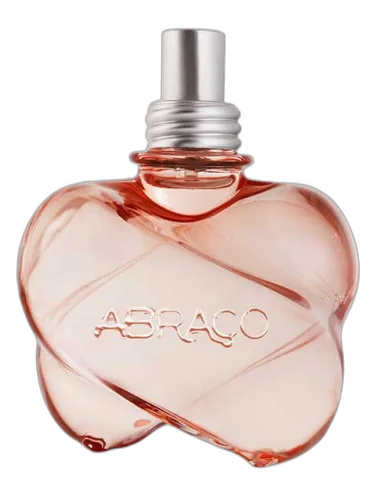

Abraço L’occitane Au Brésil
Fragrance Story
Abraço by L’Occitane Au Brésil is a Floral Woody Musk fragrance for women. Abraço was launched in 2016. The nose behind this fragrance is Adilson Rato. Top note is Fruity Notes; middle note is Floral Notes; base notes are Vanilla, Milk, Musk and Woody Notes.
Composition Profile
About the Perfumer

Adilson Rato
Adilson Rato is a Brazilian perfumer known for his extensive work with Avon, where he has created many of the brand's popular fragrances. His style often balances fresh, energetic accords with warm, sensual undertones, making his scents versatile and widely appealing. Notable creations include Avon's Alpha, Attraction, and Herstory lines, as well as the limited-edition Musk + Storm.
Fragrance Notes
Top Notes
First impression · 15-30 min
 Fruity Notes
Heart Notes
Core character · 2-4 hours
 Floral Notes
Base Notes
Lasting impression · 4+ hours
 Vanilla
 Milk
Milk
 Musk
Musk
 Woody Notes
Character Profile
The Lover Archetype: Portrait of Abraço L’occitane Au Brésil
Essence
At the core of this person’s being lies The Lover-an archetype that thrives on connection, sensuality, and the pursuit of beauty. The fragrance they adore, Abraço L’Occitane Au Brésil, is an embrace in liquid form: warm, enveloping, and deeply human. It is a scent of golden skin, sunlit woods, and the faintest trace of salt-like the lingering memory of a lover’s touch. This person is drawn to the tangible, the tactile, the emotionally resonant. They do not merely exist; they feel, and through feeling, they understand the world.
Relationships
In love and friendship, they are neither casual nor careless. They seek bonds that are deep, slow-burning, and transformative. Superficial connections leave them restless; they crave the kind of closeness that alters both people involved. Their love language is physical-not merely in the erotic sense, but in the way they express care through touch, through shared silence, through the act of making space for another person’s presence.
Yet this intensity is not without cost. They can become possessive, mistaking depth for exclusivity. Their shadow whispers that love must be all-consuming, that to share is to dilute. They may struggle with jealousy, not out of pettiness, but from a fear that the warmth they offer will be taken for granted. When wounded, they retreat into melancholy, mourning connections lost as if they were deaths.
Shadow
The Lover’s greatest weakness is the refusal to let go. They romanticize permanence, forgetting that even the most beautiful moments are fleeting by nature. Nostalgia can become a prison; they may linger too long in memories, mistaking past passion for present truth. At their worst, they demand more than others can give, suffocating what they seek to cherish.
Yet this flaw is also their redemption. Their capacity for feeling is what makes them extraordinary. Where others skim the surface, they dive deep. Where others forget, they remember-not just the pain, but the joy, the heat of the sun, the weight of an embrace.
Conclusion
They are not meant for half-measures. Their existence is a testament to the belief that life is richer when felt deeply, when every sense is engaged, when love is not just an emotion but a way of being. They will always be the one who lingers at the edge of the party, not out of shyness, but because they are savoring the way the light catches the wine in their glass, the way a friend’s voice dips into laughter, the way the night air carries the scent of something sweet and wild.
They are, in the end, a reminder: to love is to be alive. And to be alive is to know, if only for a moment, what it means to be held.
Similar Fragrances
Fragrances with a comparable profile - shared accords, notes, and character.

Liliana Paduano Parfum
Viraha Liliana Paduano Parfum
Shared accords: fruity, lactonic, musky
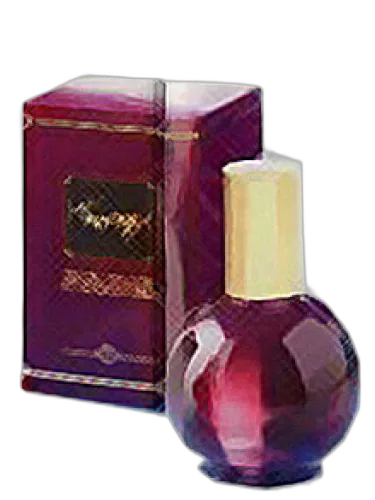
Avon
Tapage Avon
Shared accords: floral, fruity, lactonic
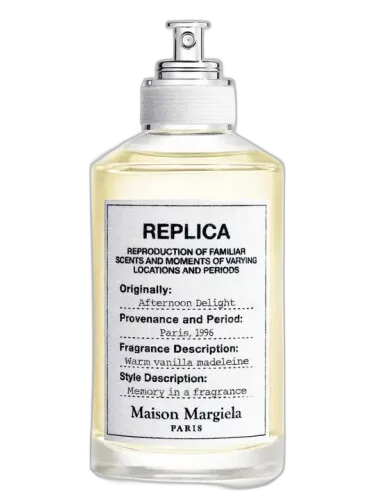
Maison Martin Margiela
Afternoon Delight Maison Martin Margiela
Shared accords: lactonic, musky, powdery

Maiora Parfum
Arya Maiora Parfum
Shared accords: floral, fruity, musky
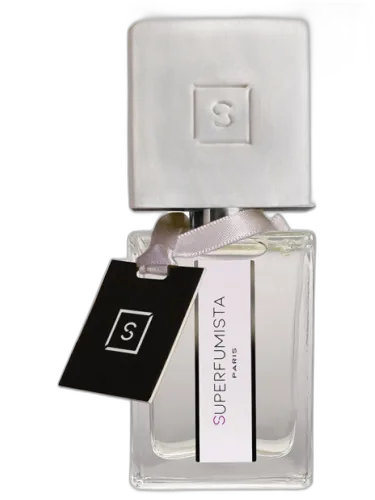
Superfumista
Nu Blanc Superfumista
Shared accords: fruity, lactonic, musky