


Cumaru Essência L’occitane Au Brésil
Fragrance Story
Cumaru Essência by L’Occitane Au Brésil is a Oriental fragrance for men. Cumaru Essência was launched in 2020. Top notes are Allspice and Citruses; middle note is Tonka Bean; base note is Woodsy Notes.
Composition Profile
About the Perfumer

Unknown Perfumer
Fragrance Notes
Top Notes
First impression · 15-30 min
 Allspice
 Citruses
Heart Notes
Core character · 2-4 hours
 Tonka Bean
Base Notes
Lasting impression · 4+ hours
 Woodsy Notes
Cumaru Essência L’occitane Au Brésil by L’Occitane Au Brésil offers a distinctive olfactory experience that stands out from other fragrances in its category.
Crafted with the finest ingredients and a blend of traditional and modern perfumery techniques, this fragrance represents the pinnacle of the perfumer's art.
Cumaru Essência L’occitane Au Brésil embodies the distinctive style of L’Occitane Au Brésil while adding a unique chapter to their fragrance portfolio.
Character Profile
The Explorer Archetype: Portrait of Cumaru Essência L’occitane Au Brésil
Essence
This person is defined by the Explorer archetype-a soul driven by curiosity, independence, and an insatiable hunger for the new. Like the fragrance they adore-warm, woody, yet subtly exotic-they embody a duality of rootedness and restlessness. Cumaru Essência, with its Brazilian tonka bean, almond, and vanilla, is not a scent for those who seek comfort in the familiar. It is for those who crave depth beneath the surface, who find beauty in the untamed.
The Explorer does not merely travel; they seek. Their journey is not just across landscapes but through ideas, emotions, and identities. They resist stagnation, viewing life as an unfolding discovery rather than a fixed destination.
Style & Aesthetic
Their style is effortlessly eclectic-bohemian but refined, never contrived. They favor natural textures: linen, raw silk, leather worn soft by use. Their home is a curated mix of travel mementos, artisanal crafts, and well-loved books. They appreciate craftsmanship but disdain pretension.
In music, they gravitate toward bossa nova, jazz, or world folk-anything that carries the whisper of distant places. Their palate leans toward bold flavors: smoky mezcal, dark chocolate, spices that linger. They do not consume passively; they savor.
Philosophy & Values
Their philosophy is one of radical openness-a refusal to be confined by convention. They are drawn to philosophies that emphasize experience over dogma, whether it’s the existential freedom of Camus, the wanderlust of Kerouac, or the sensual wisdom of Brazilian culture itself. They believe life is meant to be felt, not just understood.
Yet this comes with a paradox: their love for the new can make commitment difficult. They may resist settling-whether in careers, relationships, or beliefs-fearing it will dull their edge. Their strength is adaptability; their shadow is rootlessness.
Relationships
They attract others effortlessly-their energy is magnetic, their stories captivating. But relationships with them are often intense yet transient. They love deeply but fleetingly, fearing that permanence might suffocate their spirit. Their partners may feel like temporary waypoints in an endless journey.
Yet when they do commit, it is with fierce loyalty-but only to those who understand their need for space. Their ideal partner is equally self-sufficient, someone who walks beside them rather than holding them back.
Shadow
The dark side of the Explorer is a chronic dissatisfaction-an inability to be present. They may romanticize the next destination, the next experience, the next love, always believing true fulfillment lies just beyond the horizon. This can lead to a life of beautiful fragments but no cohesive whole.
They may also struggle with depth, skimming the surface of cultures, ideas, and people without fully immersing. Their adaptability can become avoidance; their freedom, a form of escape.
Conclusion
To evolve, they must learn that true exploration is not just movement-it is presence. The scent they love is not merely exotic; it is grounded in warmth, a reminder that even wanderers need a hearth. The greatest journey is not outward but inward-discovering that home is not a place, but a state of being.
They are not lost. They are simply in motion. And in that motion, they find their truth.
Similar Fragrances
Fragrances with a comparable profile - shared accords, notes, and character.
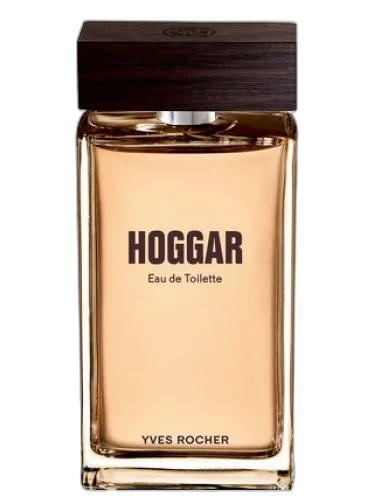
Yves Rocher
Hoggar Yves Rocher
Shared accords: amber, aromatic, citrus

AXE
Africa Axe
Shared accords: amber, aromatic, citrus

Creed
Santal Imperial Creed
Shared accords: amber, aromatic, citrus

Carolina Herrera
Bad Boy Superstars Collector Edition 2021 Carolina Herrera
Shared accords: amber, aromatic, citrus

Bugatti Fashion
Signature Black Bugatti Fashion
Shared accords: amber, aromatic, citrus