
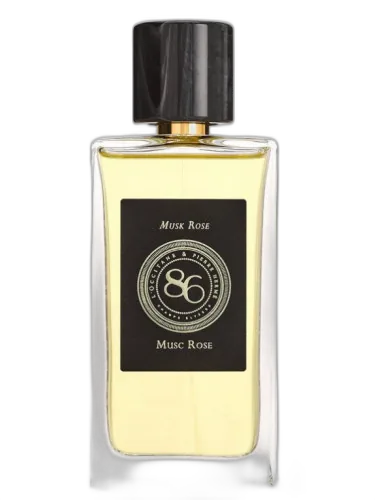

Musc Rose (musk Rose) L'occitane En Provence
Fragrance Story
Musc Rose (Musk Rose) by L'Occitane en Provence is a Chypre Floral fragrance for women and men. Musc Rose (Musk Rose) was launched in 2020. Top note is Litchi; middle notes are May Rose, Patchouli and Candied Fruits; base note is White Musk.
Composition Profile
About the Perfumer

Unknown Perfumer
Fragrance Notes
Top Notes
First impression · 15-30 min
 Litchi
Heart Notes
Core character · 2-4 hours
 May Rose
 Patchouli
 Candied Fruits
Base Notes
Lasting impression · 4+ hours
White Musk
Musc Rose (musk Rose) L'occitane En Provence by L'Occitane en Provence offers a distinctive olfactory experience that stands out from other fragrances in its category.
Crafted with the finest ingredients and a blend of traditional and modern perfumery techniques, this fragrance represents the pinnacle of the perfumer's art.
Musc Rose (musk Rose) L'occitane En Provence embodies the distinctive style of L'Occitane en Provence while adding a unique chapter to their fragrance portfolio.
Character Profile
The Lover Archetype: Portrait of Musc Rose (musk Rose) L'occitane En Provence
Essence
To wear Musc Rose by L'Occitane is to embrace a duality-softness and strength, delicacy and depth. This fragrance, with its tender rose petals wrapped in warm musk, speaks of a soul who thrives in the interplay between romance and reality. The wearer is most closely aligned with the Lover archetype, a figure defined by passion, sensitivity, and an unwavering devotion to beauty-in all its forms.
They are not merely drawn to aesthetics; they live by them. Their world is curated, not out of vanity, but because they believe life should be felt deeply, touched gently, and remembered vividly. They seek harmony in all things, from the texture of their clothing to the cadence of their conversations. Yet beneath this refined exterior lies an intensity-a quiet insistence that love, in its broadest sense, is the highest truth.
Shadow
Yet, like all archetypes, the Lover has its darker currents. Their pursuit of beauty can tip into escapism, a refusal to engage with life’s harsher truths. When reality disappoints, they may retreat into nostalgia or fantasy, idealizing the past or future rather than facing the present. Their sensitivity, while a gift, can also be a wound-they feel slights deeply, sometimes perceiving rejection where none was intended.
There is also the danger of possessiveness. The Lover’s devotion can become a cage, both for themselves and those they cherish. They may mistake intensity for intimacy, conflating love with control. In their quest for perfection, they might grow impatient with human flaws-including their own.
Conclusion
Their tastes are deliberate, never accidental. They favor natural fabrics-linen, silk, cashmere-that age gracefully, much like their own spirit. Their home is an extension of themselves: soft lighting, worn books with dog-eared pages, fresh flowers in mismatched vases. They are drawn to art that lingers in the mind-impressionist paintings, melancholic piano compositions, poetry that speaks in whispers rather than shouts.
Philosophically, they reject the notion that practicality must eclipse pleasure. They do not see utility and beauty as opposing forces but as complementary ones. A meal is not just sustenance; it is an act of communion. A walk is not merely exercise; it is a meditation on the shifting light through the trees. They believe in the sacredness of small moments, the kind most people overlook.
In relationships, they are both tender and demanding. They love fiercely but expect the same depth in return. Superficial connections exhaust them; they crave intimacy that is raw and real. Their friendships are few but unshakable, built on years of shared silences and unspoken understandings. Romantic partners must be willing to navigate their emotional tides-sometimes serene, sometimes stormy.
Similar Fragrances
Fragrances with a comparable profile - shared accords, notes, and character.

Issey Miyake
Pleats Please In Bloom Issey Miyake
Shared accords: fresh, fruity, musky
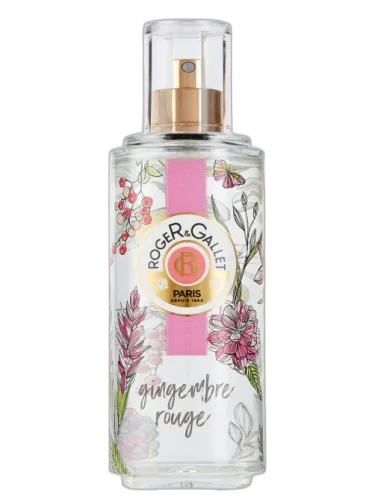
Roger & Gallet
Gingembre Rouge Limited Edition 2019 Roger & Gallet
Shared accords: fresh, fruity, musky
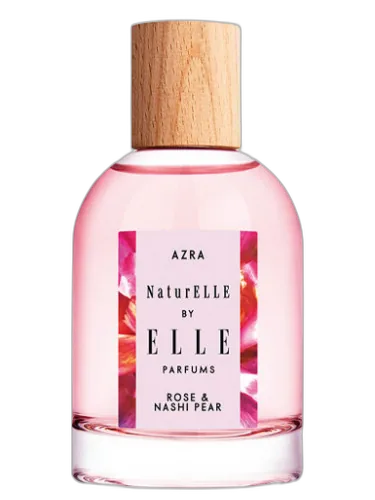
Elle
Azra Elle
Shared accords: fresh, fruity, musky

Cosmogony
Morning Star Cosmogony
Shared accords: fruity, musky, patchouli

Superfumista
Infra Rose Superfumista
Shared accords: fresh, fruity, musky