


Gothic Ii Perfume Oil Loree Rodkin
At a glance
Is Gothic Ii Perfume Oil Loree Rodkin worth trying?
Gothic II Perfume Oil by Loree Rodkin is a Oriental Woody fragrance for women and men.
- Best match
- Evening wear in Fall
- Performance feel
- Excellent longevity with Moderate sillage
- Signature profile
- warm spicy, woody, floral with Nag Champa, Indian Patchouli, Patchouli
The first impression
Gothic II Perfume Oil by Loree Rodkin is a Oriental Woody fragrance for women and men.
What shapes the scent
The perfumer behind it

Loree Rodkin
Loree Rodkin is a perfumer known for her bold, gothic-inspired fragrances that evoke mystery and sophistication. Her work often features rich, dark notes blended with unexpected contrasts. She has created niche perfumes that appeal to those seeking unique, artistic compositions. Her style reflects a fascination with unconventional beauty and storytelling.
Notes pyramid
All Notes
Complete scent profile
 Nag Champa
 Indian Patchouli
 Patchouli
Madagascar Vanilla
Patchouli
Madagascar Vanilla
 Incense
Clove
Incense
Clove
The mood it creates
The Gothic Ii Enthusiast Archetype: Portrait of Gothic Ii Perfume Oil Loree Rodkin
Essence
This person is most closely aligned with The Mystic-an archetype that seeks meaning beyond the visible, drawn to the enigmatic, the esoteric, and the unseen. The Mystic is not merely a dreamer but a seeker, one who navigates the liminal spaces between light and dark, the sacred and the profane. Gothic II Perfume Oil, with its deep, resinous, and slightly ominous aura, is their olfactory signature: a scent that whispers of incense-laden cathedrals, ancient rituals, and the quiet power of the unseen.
Style & Aesthetic
Their appearance is deliberate, a carefully curated balance between elegance and mystery. They favor dark, flowing fabrics-velvet, silk, leather-that drape their form like a second skin. Jewelry is often antique or symbolic: signet rings, cameos, or talismans that carry personal meaning. Their makeup, if worn, is subtle yet striking-deep burgundy lips, kohl-lined eyes-enhancing their natural intensity without veering into theatricality.
Their living space mirrors this aesthetic: dimly lit, filled with candles, old books, and relics that seem to hum with untold stories. They are drawn to art that evokes the sublime-Caravaggio’s chiaroscuro, the haunting beauty of Pre-Raphaelite paintings, or the eerie stillness of Gothic architecture. Music is equally atmospheric-darkwave, neoclassical compositions, or the melancholic strains of medieval chant.
Philosophy & Values
They reject the superficial, the transient, the merely fashionable. Their philosophy is one of depth-meaning must be excavated, not stumbled upon. They are drawn to existential questions, the nature of suffering, the interplay of fate and free will. Nietzsche’s Thus Spoke Zarathustra might sit beside Jung’s The Red Book on their shelf, not as decoration but as texts they return to, underline, and debate in solitude.
They value authenticity above all else. Pretense disgusts them; they can spot insincerity in a glance. Their friendships are few but profound-they do not suffer fools, nor do they tolerate those who mistake cynicism for wisdom. Their loyalty is fierce, but once betrayed, it is irrevocably withdrawn.
Relationships
They are not a social butterfly but a quiet force in any gathering. Their presence is magnetic, not because they demand attention, but because they withhold it. People are drawn to them, sensing something hidden, something unspoken. Their love life is intense-passionate but never frivolous. They seek partners who are equally introspective, who understand that love is not merely pleasure but a kind of alchemy, transforming both individuals.
Yet, they are not without their shadows. Their intensity can become isolating; their disdain for the mundane can border on contempt. They may struggle with periods of melancholy, a sense of alienation from a world that seems too bright, too loud, too shallow.
Shadow
When unbalanced, The Mystic can become The Hermit-withdrawn, distrustful, and consumed by their own inner world. They may grow disdainful of those who do not share their depth, dismissing ordinary joys as trivial. Their pursuit of meaning can become a prison, trapping them in endless introspection without action.
At worst, they may indulge in self-mythologizing, believing themselves uniquely burdened by insight. This can lead to a kind of spiritual arrogance, a belief that their suffering or solitude sets them apart in a way that is both isolating and self-aggrandizing.
Conclusion
For them, growth lies in balance-learning to touch the earth as well as the stars. They must remember that wisdom is not only found in darkness; sometimes, the most profound truths are hidden in plain sight. Their challenge is to remain open-to let the world in, even when it disappoints.
Gothic II is their scent because it is a paradox: dark yet luminous, heavy yet ethereal. Like them, it lingers, leaving an impression long after the wearer has gone. They are not merely a spectator of life’s mysteries but an active participant-a seeker, a questioner, a soul who understands that beauty and meaning often dwell where others fear to look.
If you like this, try these
Fragrances with a comparable profile - shared accords, notes, and character.
West Third Brand
Vintage Patchouli West Third Brand
Shared top notes: incense, patchouli

Bvlgari
Gyan Bvlgari
Shared top notes: incense, patchouli
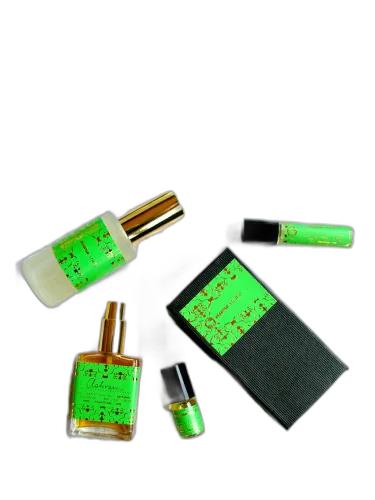
DSH Perfumes
Ancient Air Dsh Perfumes
Shared top notes: incense, patchouli
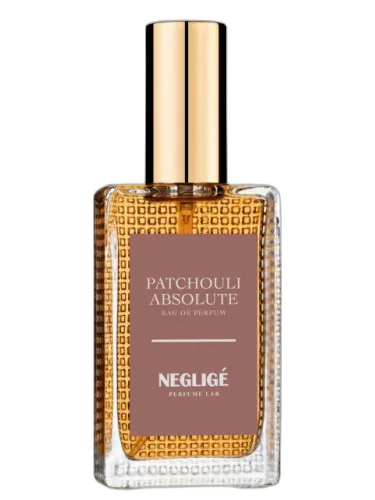
Negligé Perfume Lab
Patchouli Absolute Negligé Perfume Lab
Shared top notes: patchouli
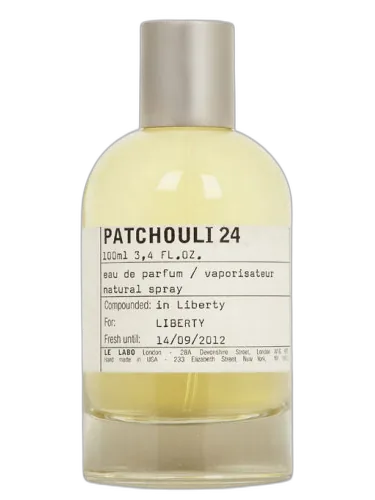
Le Labo
Patchouli 24 Le Labo
Shared top notes: patchouli