
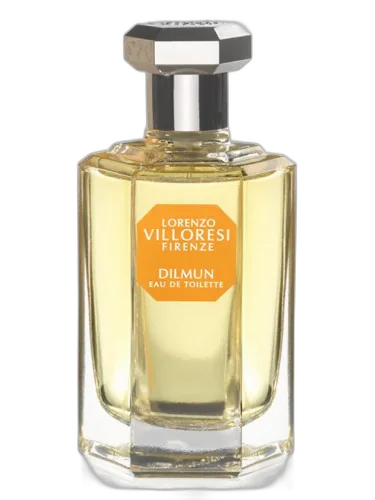

Dilmun Lorenzo Villoresi
At a glance
Is Dilmun Lorenzo Villoresi worth trying?
Dilmun by Lorenzo Villoresi is a Oriental fragrance for women and men.
- Best match
- Evening, Special Occasion wear in Spring
- Performance feel
- Good longevity with Moderate sillage
- Signature profile
- white floral, citrus, green with Orange Blossom, Citruses, Green Notes
The first impression
Dilmun by Lorenzo Villoresi is a Oriental fragrance for women and men. Dilmun was launched in 2000. The nose behind this fragrance is Lorenzo Villoresi. Top notes are Orange Blossom, Citruses, Green Notes, Jasmine and Rose; middle notes are Orange Blossom, Neroli, Petitgrain, Opoponax, Bay Leaf and Incense; base notes are Citruses, Vanilla, Floral Notes, elemi, Cedar and Sandalwood.
What shapes the scent
The perfumer behind it

Lorenzo Villoresi
Lorenzo Villoresi is an Italian perfumer and founder of his namesake brand, known for a diverse portfolio that includes Gucci's Forever Now. His own creations range from Acqua Di Colonia to Incensi, Atman Xaman, and Dilmun, reflecting a deep exploration of Mediterranean, oriental, and aromatic themes. His work often balances tradition with personal artistic vision.
Notes pyramid
Top Notes
First impression · 15-30 min
 Orange Blossom
 Citruses
 Green Notes
 Jasmine
 Rose
Rose
Heart Notes
Core character · 2-4 hours
Orange Blossom
 Neroli
 Petitgrain
 Opoponax
 Bay Leaf
 Incense
Base Notes
Lasting impression · 4+ hours
Citruses
 Vanilla
 Floral Notes
 elemi
elemi
 Cedar
Cedar
 Sandalwood
The mood it creates
The Mystic Archetype: Portrait of Dilmun Lorenzo Villoresi
Essence
The Mystic seeks connection to the sacred, the transcendent, and the hidden dimensions of existence. Dilmun, named after the ancient Sumerian paradise, embodies this archetype with its ethereal, incense-laced composition. The opening of orange blossom and citruses is a radiant, almost celestial light, while the heart of neroli, opoponax, and incense evokes the smoke of ancient temples. The base of vanilla, cedar, and sandalwood is a grounding, meditative warmth. This is a fragrance that bridges the earthly and the divine.
Style & Aesthetic
The Mystic's style is ethereal, flowing, and deeply personal. They favor fabrics like silk, linen, and velvet in rich, symbolic colors-deep purple, saffron, ivory, and midnight blue. Their aesthetic is one of spiritual elegance, often incorporating elements like long, flowing robes, intricate jewelry, and natural stones. They are drawn to spaces that feel sacred, whether a sunlit garden, a candlelit room, or a quiet corner of a library. Their presence is serene and otherworldly, as if they carry a secret peace.
Philosophy & Values
The Mystic values inner peace, spiritual growth, and the unity of all things. They believe that the material world is a reflection of a deeper, spiritual reality, and they seek to align themselves with that truth. Their philosophy is one of non-attachment and presence, finding the sacred in the ordinary. They are drawn to practices like meditation, yoga, and ritual, and they see life as a journey of awakening. They value intuition over logic, and mystery over certainty.
Relationships
In relationships, the Mystic is a deeply empathetic and intuitive partner. They are drawn to souls who are on a similar path of self-discovery, and they value deep, soulful connections over superficial interactions. They are excellent listeners, offering a non-judgmental space for others to explore their own inner worlds. However, they can be elusive, needing periods of solitude to recharge and connect with their inner self. Their friendships are often formed around shared spiritual interests and a mutual respect for the unseen.
Lifestyle
The Mystic's daily life is infused with ritual and intention. They might begin the day with meditation or a gratitude practice, and they often incorporate elements like incense, crystals, or sacred music into their environment. Their home is a sanctuary, with altars, plants, and objects that hold spiritual significance. They are drawn to nature, finding solace in forests, gardens, and bodies of water. Their routine is flexible, guided by intuition and the cycles of the moon and seasons.
Shadow
The Mystic's shadow is a tendency toward escapism and detachment. Their focus on the spiritual can lead them to neglect the practical, material aspects of life, or to use spirituality as a way to avoid dealing with difficult emotions or responsibilities. They may become so absorbed in their inner world that they lose touch with the needs of others, or they may fall into a sense of spiritual superiority, judging those who are not on the same path. This can result in a life that feels ungrounded and disconnected.
Conclusion
Dilmun is the fragrance of the Mystic-a luminous, incense-laced scent that evokes the memory of paradise and the promise of transcendence. It is a reminder that the sacred is not found in a distant heaven, but in the present moment, in the breath, in the scent of a flower. For the Mystic, this perfume is a tool for meditation, a bridge between worlds, and a daily invitation to step into the mystery of existence with an open heart and a quiet mind.
If you like this, try these
Fragrances with a comparable profile - shared accords, notes, and character.
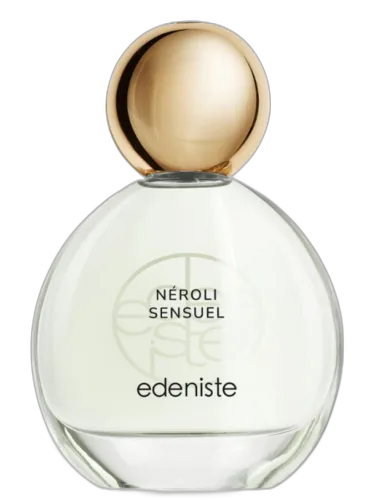
Edeniste
Néroli Sensuel Edeniste
Shared heart notes: neroli, orange blossom, petitgrain

CIEL Parfum
Arc-en-ciel Halloween Ciel Parfum
Shared top notes: green notes
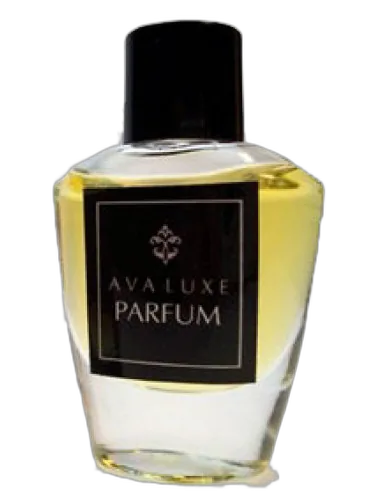
Ava Luxe
Fleur D'oranger Ava Luxe
Shared top notes: jasmine, orange blossom

Caron
Bain De Champagne (royal Bain De Caron) Caron
Shared top notes: rose
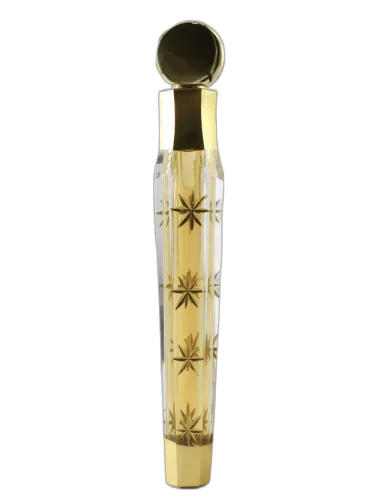
Parfumane
El-hambra Parfumane
Shared top notes: citruses, rose